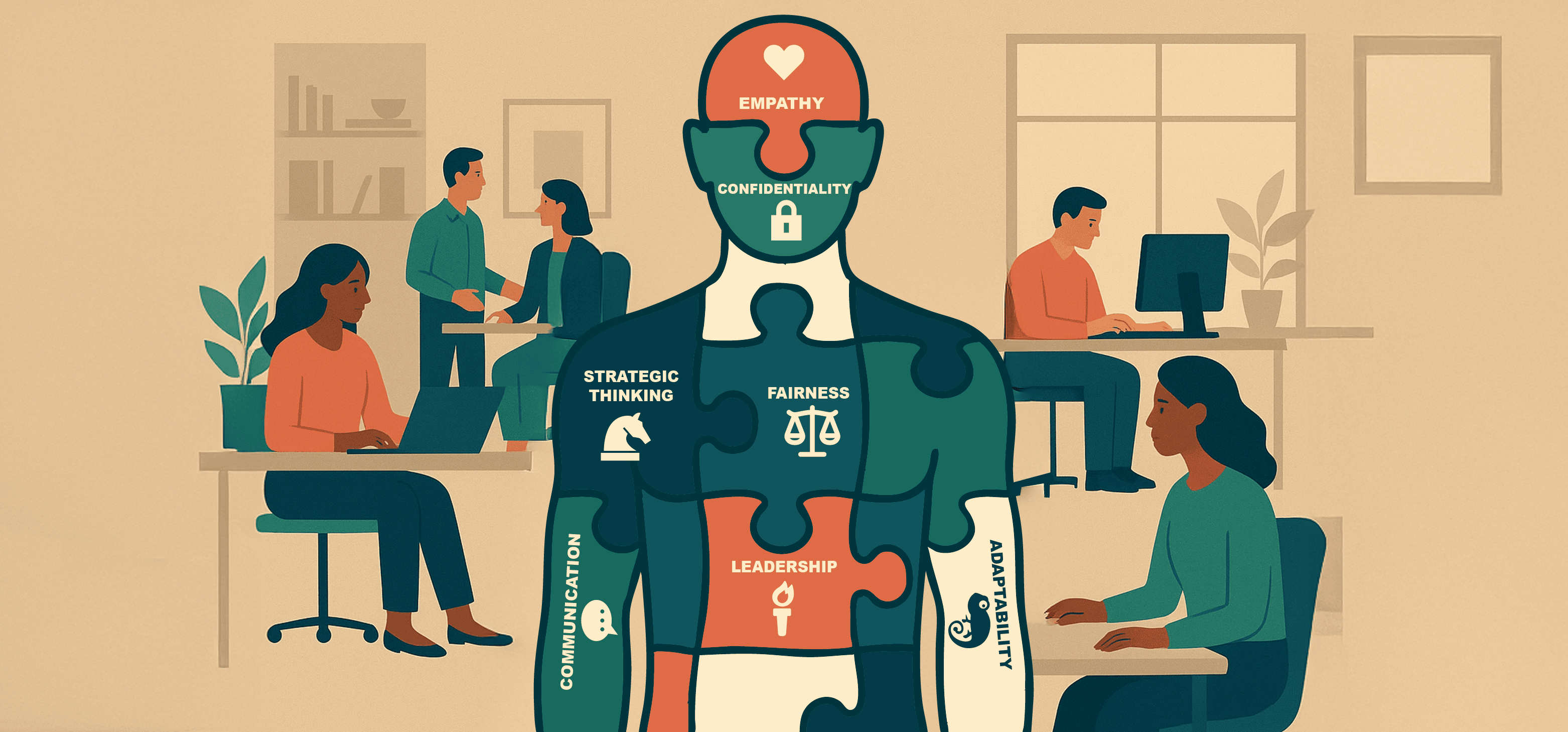
If HR lacks the right skills, companies face high turnover and low productivity.
And HR professionals stay stuck scheduling birthday reminders instead of earning a seat at the table.
In this article, I’ve shared seven qualities that make you a great HR.
They are strategic-level skills that strengthen your leadership capabilities and help you manage your role better.
Let’s start with the one most people mistake for a personality trait.
1. Emotional Intelligence
Emotional intelligence is one of the most underrated HR qualities, and unlike most leadership traits, it’s fully learnable.
EQ is what lets you read a room, handle conflict before it escalates, and understand why an otherwise strong employee is quietly disengaging.
Research shows that employees under high-EQ managers are more satisfied with their work.
Simply understanding your people is one of the most powerful tools you have.
How To Develop Emotional Intelligence?
Start with self-awareness.
Know your triggers, and you’ll think before responding instead of reacting impulsively and making things worse.
Second, practice empathy, which means actually listening.
Anonymous feedback tools give employees a safer way to share real concerns, which builds trust faster than any open-door policy.
Sentiment analysis tools like ThriveSparrow go further.
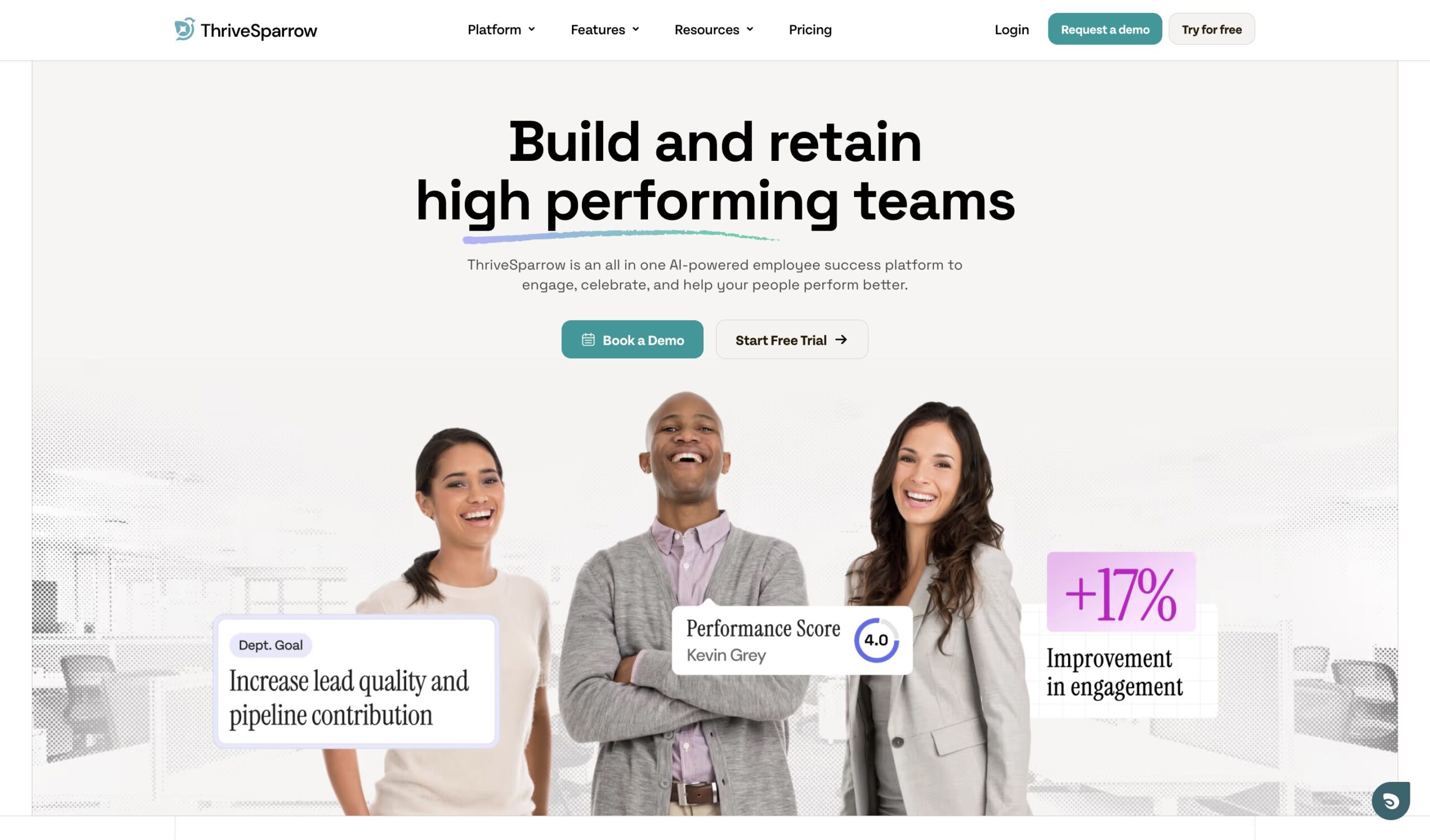
They analyze staff conversations and convert feedback into actionable tasks, so you’re not just collecting feelings, you’re doing something with them.
2. Internal Communication
Poor internal communication doesn’t just hurt morale, 63% of employees cite it as the direct cause.
And when an employee feels undervalued, they don’t file a grievance. They quietly update their LinkedIn.
Transparent communication retains top talent 4.5 times more effectively.
Because transparency makes people feel part of the organization, not just subject to it.
How to Develop Effective Communication Skills?
Build both formal and informal channels.
Use formal ones for policies and company information; a centralized knowledge base works well here. Use informal ones to communicate directly, in plain language, without the corporate filter.
Keep people updated regularly.
When something changes unexpectedly, share it early. Confusion fills the space that information doesn’t.
When a policy changes, share the why alongside the what. People who understand the reason are far more likely to accept the change.
Be specific about your expectations.
HR runs on corporate language, and corporate language rarely makes expectations clear. Ask any employee to explain their job description, and most will struggle. That’s a communication failure, not a comprehension one.
Build systems that fix it upstream.
A structured onboarding workflow makes expectations explicit before confusion has a chance to set in.
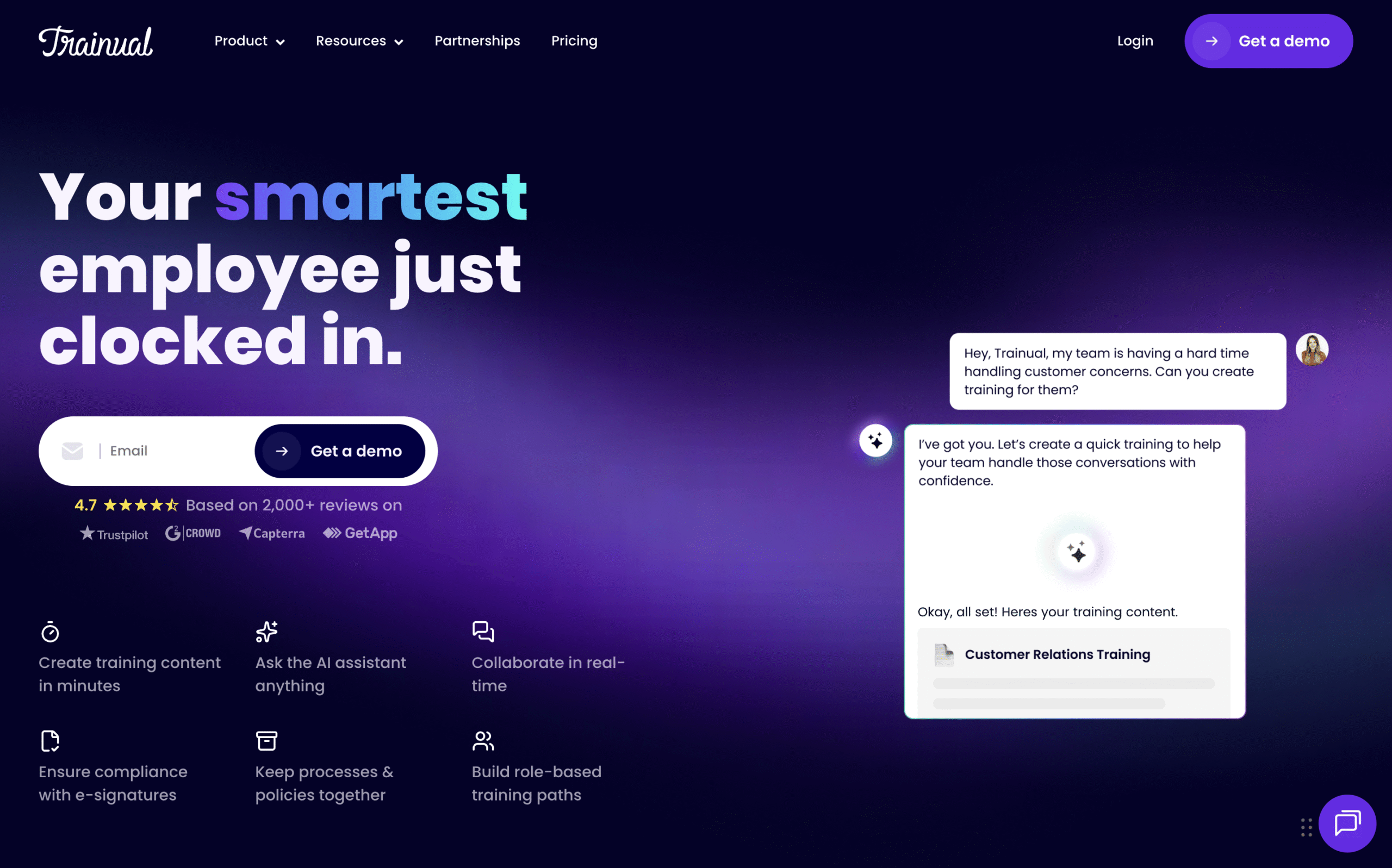
Trainual does this well. Over 500 customizable templates and a responsibility builder that shows people exactly what their role requires.
At Squeeze Growth, we keep it simple. Everything work-related goes into Notion, and everything else (announcements, team wins, birthday wishes) lives in a dedicated Slack channel where we can directly reach out to our founder, Aayush, if need be.
3. Passive Management Approach
Most HR professionals default to policies when things get complicated. Rules are familiar, defensible, and safe.
But not every situation fits a policy.
Every employee works differently, and forcing them all into the same box costs you productivity.
There’s a reason nobody likes a micromanager.
A passive approach gets things done without restricting how people work.
If someone voluntarily stays late, consistently hits their targets, and occasionally rolls in five minutes past clock-in, let it go.
The flexibility costs you nothing and buys you loyalty.
Yes, others may notice. Handling that tension is exactly what separates a great HR from an average one.
How To Develop A Passive Approach
Start by knowing your policies cold.
That’s not a contradiction. If you understand the rules thoroughly, you’ll know exactly how far you can bend them, and when bending them is the right call.
Give autonomy to department heads. Let them manage their teams in their own way, with outcomes as the measure.
That last point matters more than it sounds.
Ideaware, a software company that dropped strict hour-based tracking, saw average project completion time fall from 6 weeks to 4 weeks. There was a 33% productivity gain, and team satisfaction jumped from 6/10 to 9/10.
Goals motivate. Hours logged don’t.
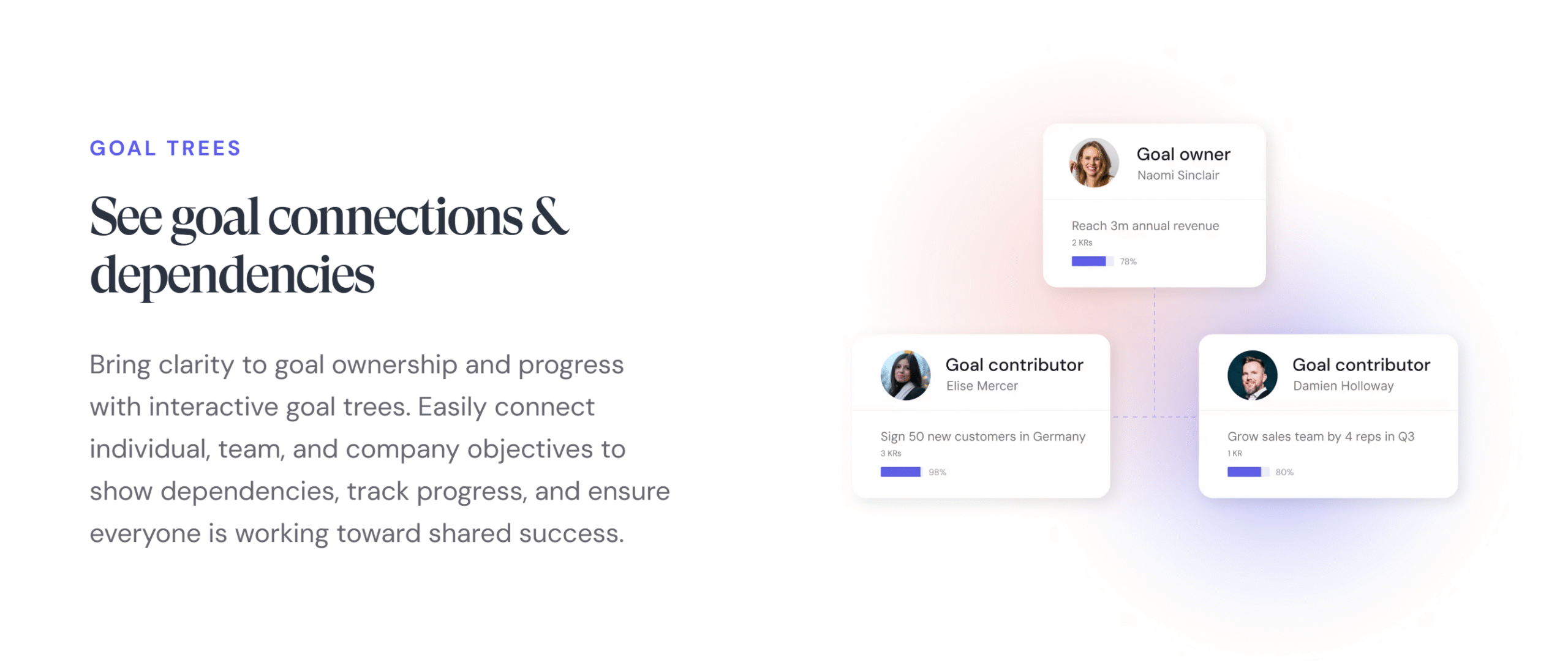
OKR (Objectives and Key Results) tools make this shift easier to operationalize.
Leapsome is the better pick if you want performance reviews and OKRs in one place. Mirro is simpler and works well for smaller teams just getting started with outcome-based tracking.
4. Employee Experience
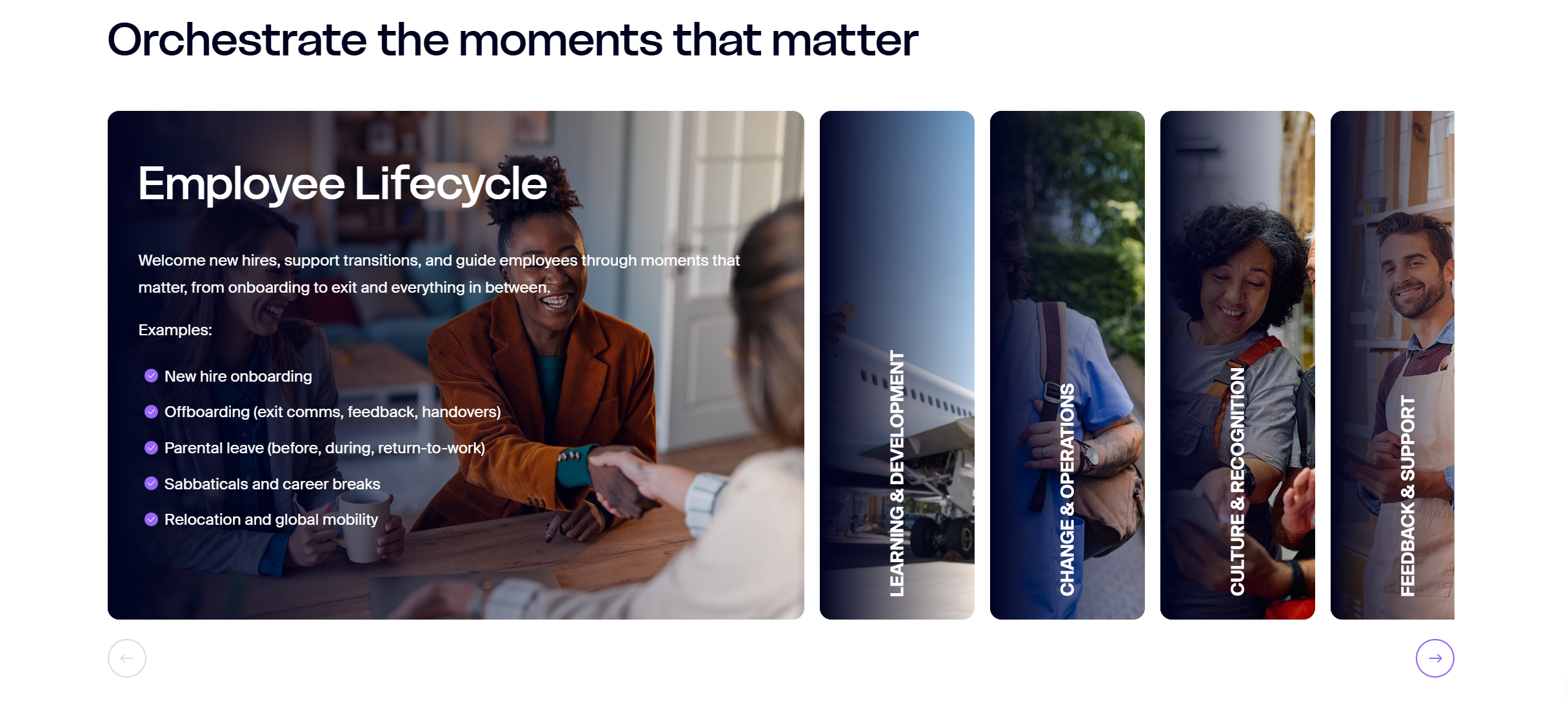
Every employee follows a path from their first interview to their last day.
What happens at each touchpoint, onboarding, reviews, promotions, and exits, shapes how engaged they are and how long they stay.
Positive employee experience increases productivity by 17% and company profitability by 21%.
In other words, your employees win, your management wins.
How To Optimize The Employee Experience
Start by mapping your employee lifecycle before trying to fix it.
Most HR teams know their onboarding is rough, but they don’t know where people actually start disengaging, or why. You can’t fix what you haven’t traced.
EX platforms give you that visibility. They surface where drop-off happens, what’s frustrating people, and what’s working.
Workvivo is the better pick if internal communication and culture are the weak points. It combines comms, engagement, and recognition in one place.
Qualtrics is stronger if you want a serious survey and feedback infrastructure to measure experience at every stage.
For full employee lifecycle management, hiring through offboarding, Rippling covers it cleanly and handles both domestic and international teams.
5. Business Partnership

Most HR professionals are administrators. The ones who earn real influence become business partners.
That means owning workforce planning and not just responding to it.
Here’s how it works in practice:
When a key leader leaves, the company shouldn’t scramble. A business-partner-HR already knows who’s next.
They’ve identified the critical roles, spotted the internal candidates, built development plans, and lined up the progression. The transition happens before the gap becomes a crisis.
That’s the difference between HR that reacts and HR that leads.
How To Develop Business Partnership Skills
You can’t advise a business you don’t understand.
Start by learning the company’s goals, revenue drivers, and performance gaps. The actual understanding of all of it.
When you know where the business is headed, you can anticipate what it needs before anyone has to ask.
From there, build visibility with leadership.
Not by asking for a seat at the table, but by showing up with relevant, data-backed perspectives. Leadership roles go to people who already act like leaders.
That’s what makes analytical skills non-negotiable here.
Tableau is the right tool if you want to turn HR data into something executives will actually engage with. Things such as attrition trends, performance patterns, and workforce gaps laid out visually.
Anaplan goes further by letting you model scenarios and forecast outcomes, which is exactly what strategic planning conversations require.
6. A Growth Mindset
HR changes faster than most functions with new compliance requirements, shifting workforce expectations, and AI entering workflows.
The professionals who stay effective are the ones who don’t cling to how things used to work.
HR professionals with a growth mindset respond to change 3.5 times more effectively.
They anticipate what the business needs before it becomes urgent, instead of reacting after the fact.
How To Develop A Growth Mindset
Take courses, track trends, and talk to peers who are ahead of where you are.
Introduce leadership development programs for managers and employees, not just yourself.
Teaching forces clarity in your own thinking.
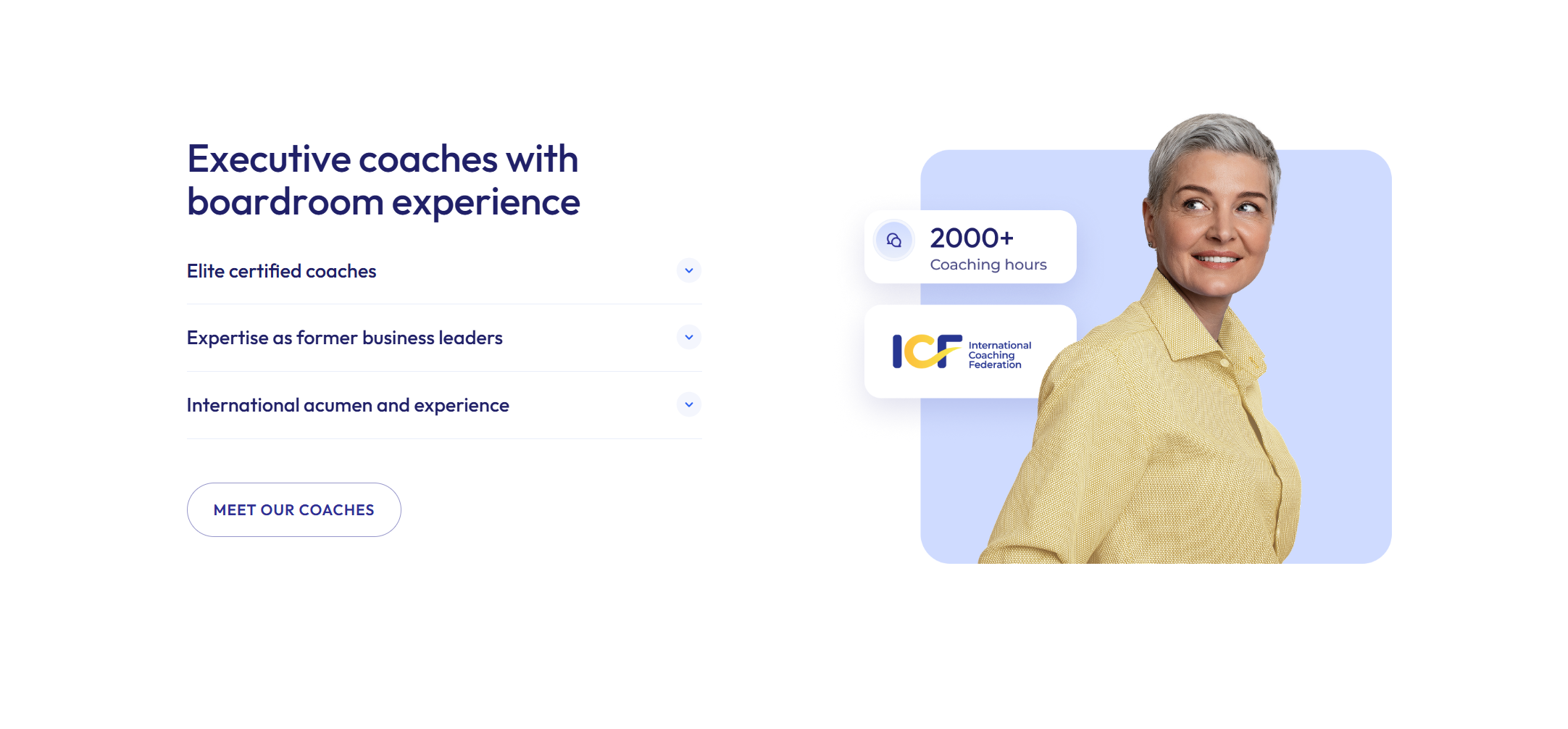
CoachHub is built for this at the organizational level. It’s a coaching platform designed to work across teams, not just the individuals.
The most direct method: take on projects outside your current lane.
I am not talking about stretching goals within familiar territory, but genuinely unfamiliar work. That’s where fixed habits break, and new approaches get built.
7. Stress Management
HR is one of the few roles where stress comes from both directions:
pressure from leadership above
and emotional weight from employees below.
90% of employees experience work stress, and 44% quit because of it. How you handle your own stress determines whether you’re equipped to handle theirs.
How To Develop Stress Management Skills
Start by identifying your specific triggers, not stress in general.
For most HR professionals, the biggest one is delivering bad news. It puts you in a position where you’re doing your job and damaging a relationship at the same time.
The way through it is to anticipate the reaction before you’re in the room.
Schedule a one-on-one, come prepared with concrete support options, and let them talk. The conversation goes better when they feel heard rather than managed.
For day-to-day stress, the basics work: movement, journaling, scheduled breaks, and weekly resets. They’re not glamorous, but they compound.
Where most people fail is in consistency. So building a daily structure prevents stress from accumulating to the point where it affects your judgment.
Sunsama is worth using here if you struggle with that structure. It’s a daily planner built around intentional rituals. You plan your day, set a focus, and close it with a short reflection.
It won’t eliminate hard days, but it stops them from bleeding into each other.
Conclusion
HR was built around people. These seven skills keep it that way.
Policies matter, but they’re a floor, not a ceiling.
The HR professionals who earn real influence are the ones who lead with both judgment and compliance.
Pick the skill that’s furthest from where you are right now. Start there.
If these seven skills pointed you toward the leadership side of HR, that’s worth following.
The traits that make someone a great HR professional and the traits that make someone a great leader overlap more than most people realize.
Here’s a breakdown of the leadership qualities worth developing next →


 A better way to manage projects and clients for freelancers
 Get through busy days like a breeze with Reclaim.ai