
A good social listening tool helps you make sense of online conversations.
It reveals what people actually care about and gives you a clear picture of your online presence.
But different social listening tools are built with different priorities in mind.
Some focus on usability, while others prioritize in-depth analysis and data coverage.
The real challenge is finding the right tool for the job.
What Is A Social Listening Tool And What Apps Are Best For You
A social listening tool is an analytics app that monitors online conversations and turns them into actionable insights.
It collects raw data from different sources (social media platforms, blogs, review sites) and highlights mentions, audience sentiments, and emerging topics.
Top Features To Look For In A Social Listening Tool
- Brand monitoring.
- Sentiment analysis.
- Trend tracking.
- Alerts.
Below, I have reviewed the best 15 social listening tools with solid monitoring and analytics capabilities. Let’s see what each app is good at and compare their core functions and prices.
| Tool | Best For | Starting Price | Standout Feature |
|---|---|---|---|
| Brand24 | Small businesses | $249/month | Simple interface with transparent pricing |
| Awario | Marketers looking for affordable tools | $50/month | Brand monitoring and lead discovery |
| Mention | Growing businesses | $599/month | Lightweight brand monitoring within the AgoraPulse ecosystem |
| BrandMentions | SMBs and marketers | $99/month | SEO and social listening tools |
| Brandwatch | Large companies | Custom pricing | Deeper insights and custom dashboards |
1. Brand24
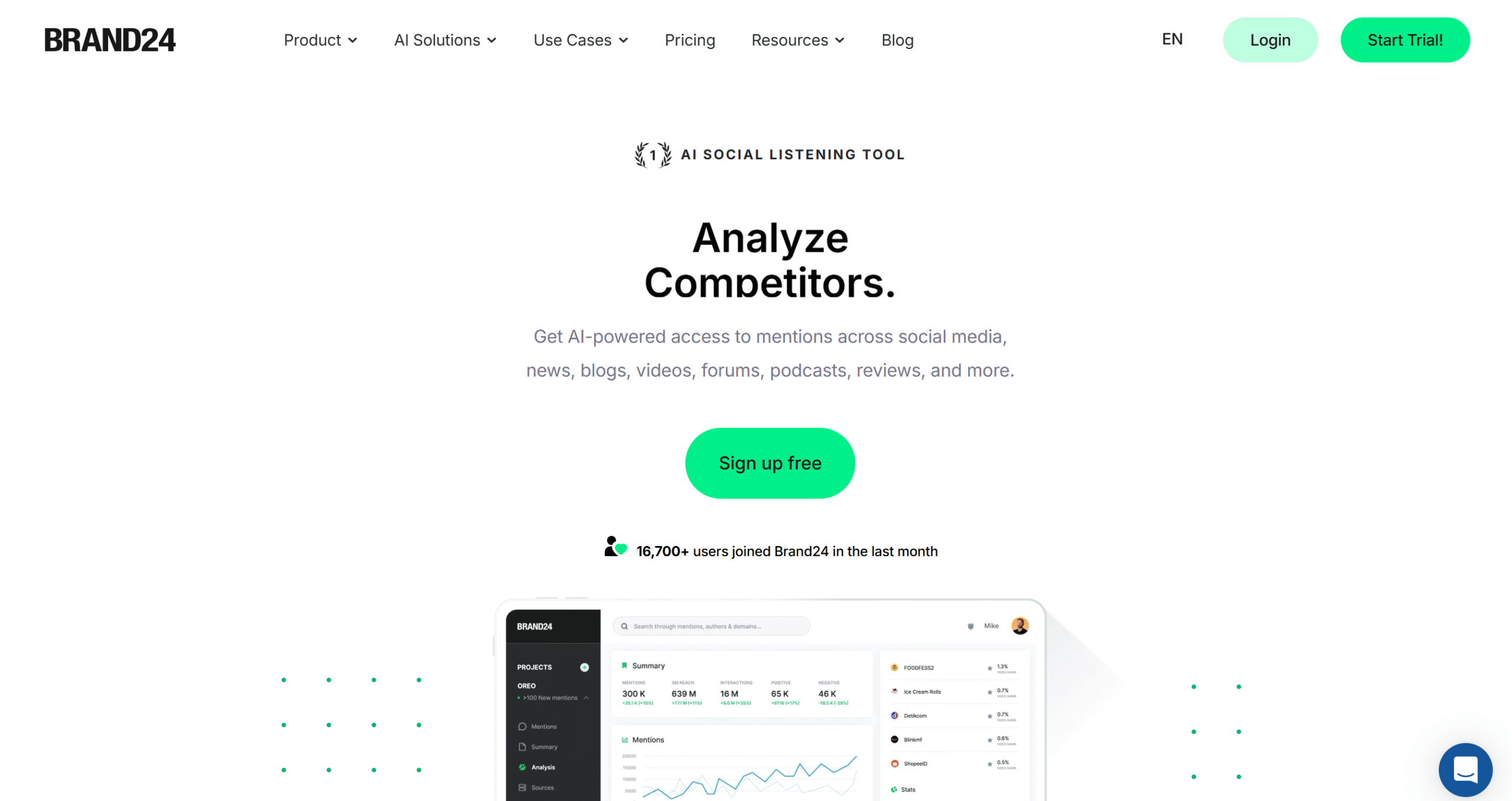
Brand24 is built for users who prefer a straightforward social listening tool.
It delivers quick insights and gives you clear visibility into your brand reputation.
Some of its most noticeable features include sentiment analysis, anomaly detection, competitor tracking, and real-time alerts. An AI assistant is built into the system to help you dig through the data and find relevant insights.
One of Brand24’s unique selling points is its AI visibility. It doesn’t just tell you what people are saying about your brand but also how AI tools like ChatGPT talk about your brand.
To better understand how Brand24 works, I recommend taking a free trial and getting a first-hand experience yourself.
I used SqueezeGrowth to test the core features in the free trial, and here’s what I got.
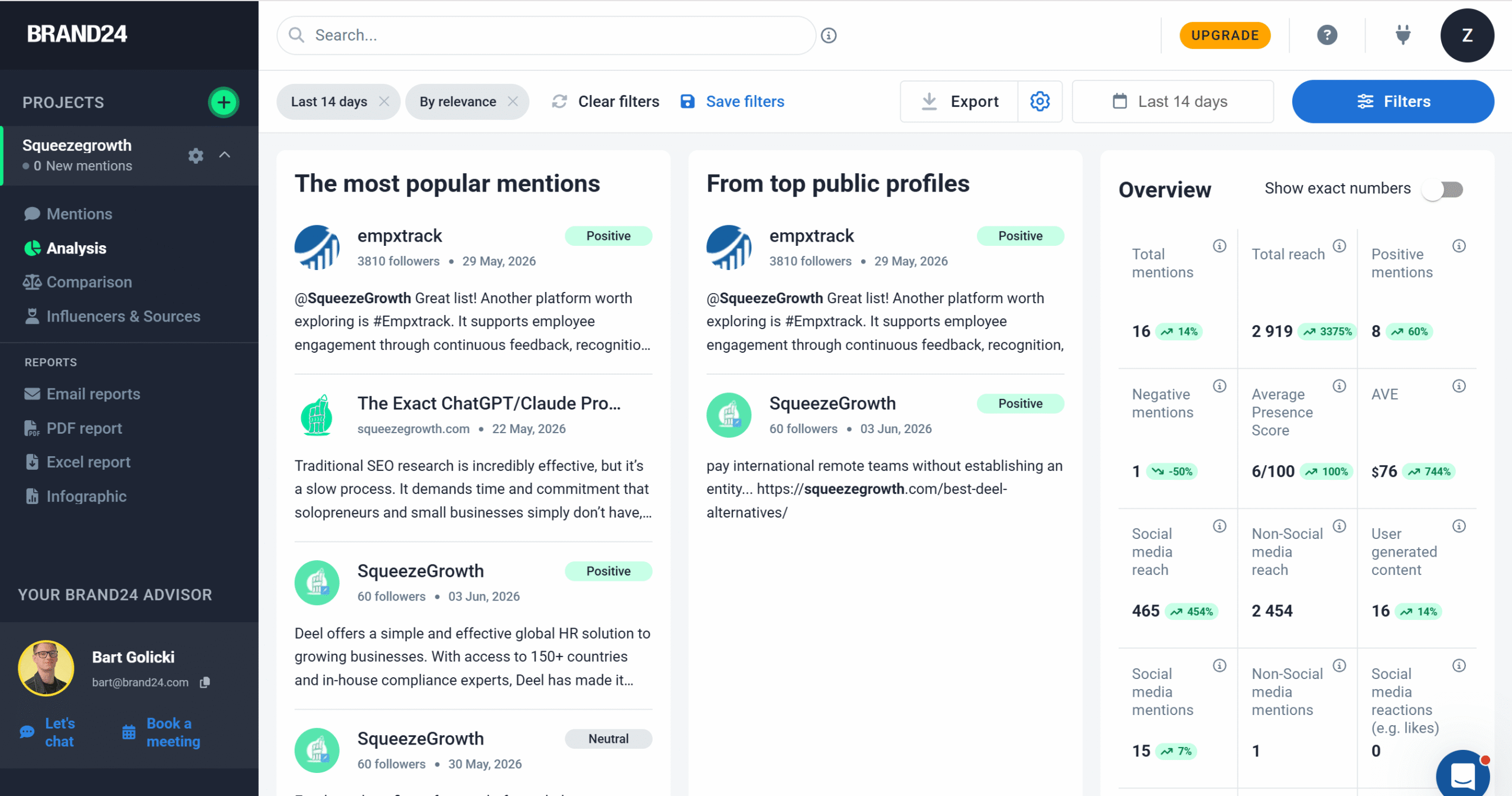
The dashboard looks a bit crowded, but it displays metrics clearly and makes it easy to compare data.
Core Features
- Multi-platform brand monitoring.
- AI sentiment analysis.
- Real-time alerts.
- Analytics and reporting.
- Advanced filters.
- White-label reporting.
- Mobile app.
- Integrations.
Pros
- The initial setup is quick, and pricing is transparent.
- You can track both human and AI brand mentions.
Cons
- UI gets less refined as you scale. Not a dealbreaker, but something to consider.
Price
Brand24 prices start at $249 per month. You can take a free trial.
2. Awario
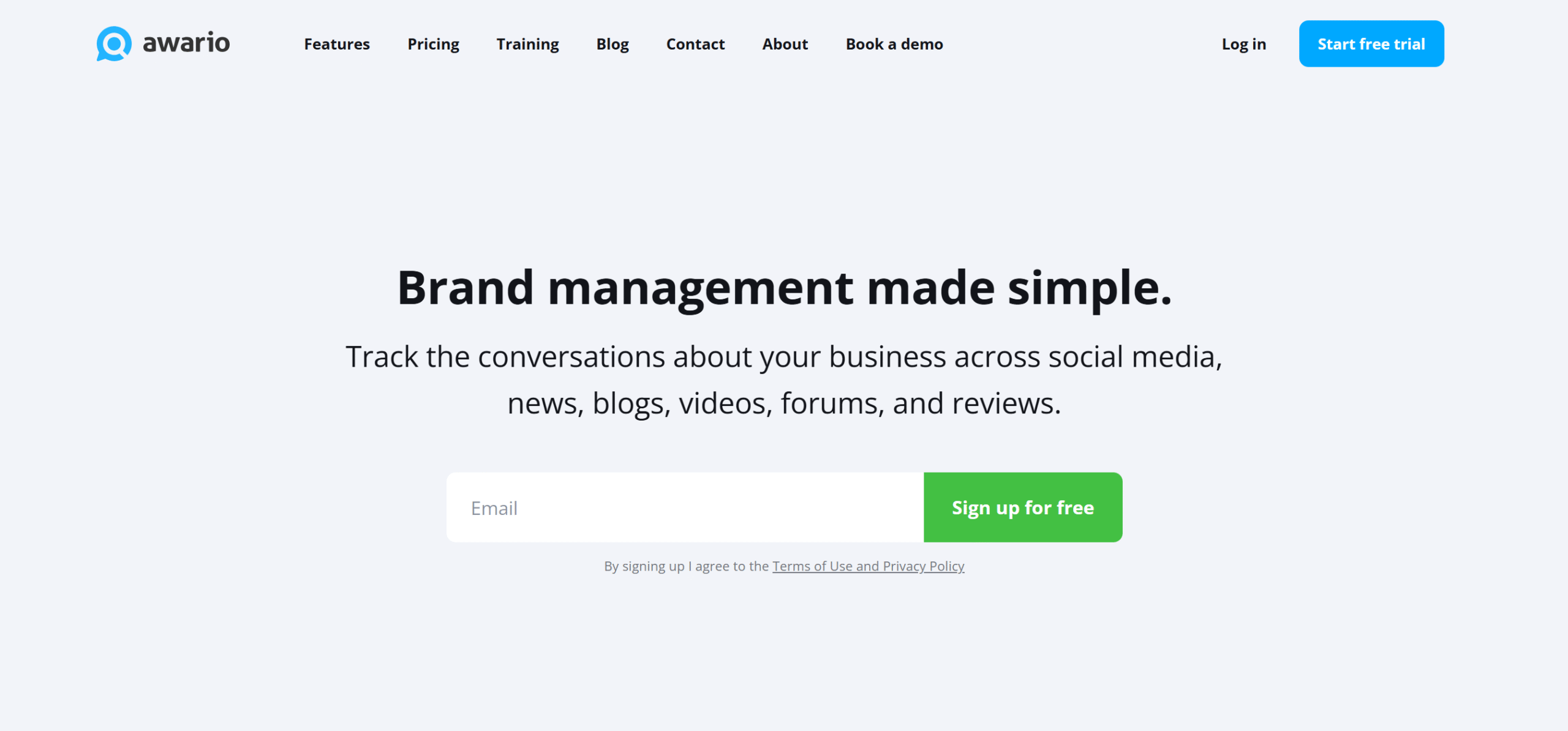
Awario is a social listening and lead generation tool. It provides lead discovery tools and monitors your brand in real-time.
The platform comes in the mid-range, offering both beginner and advanced features.
You can run sentiment analysis, monitor competitors, track Reddit threads, and generate white-label reports—the reporting feature is better compared to Octolens and Trigify.
A separate module is built into the system for lead discovery, where you can set up filters to find potential leads. You can track conversations in multiple languages and remove spam results.
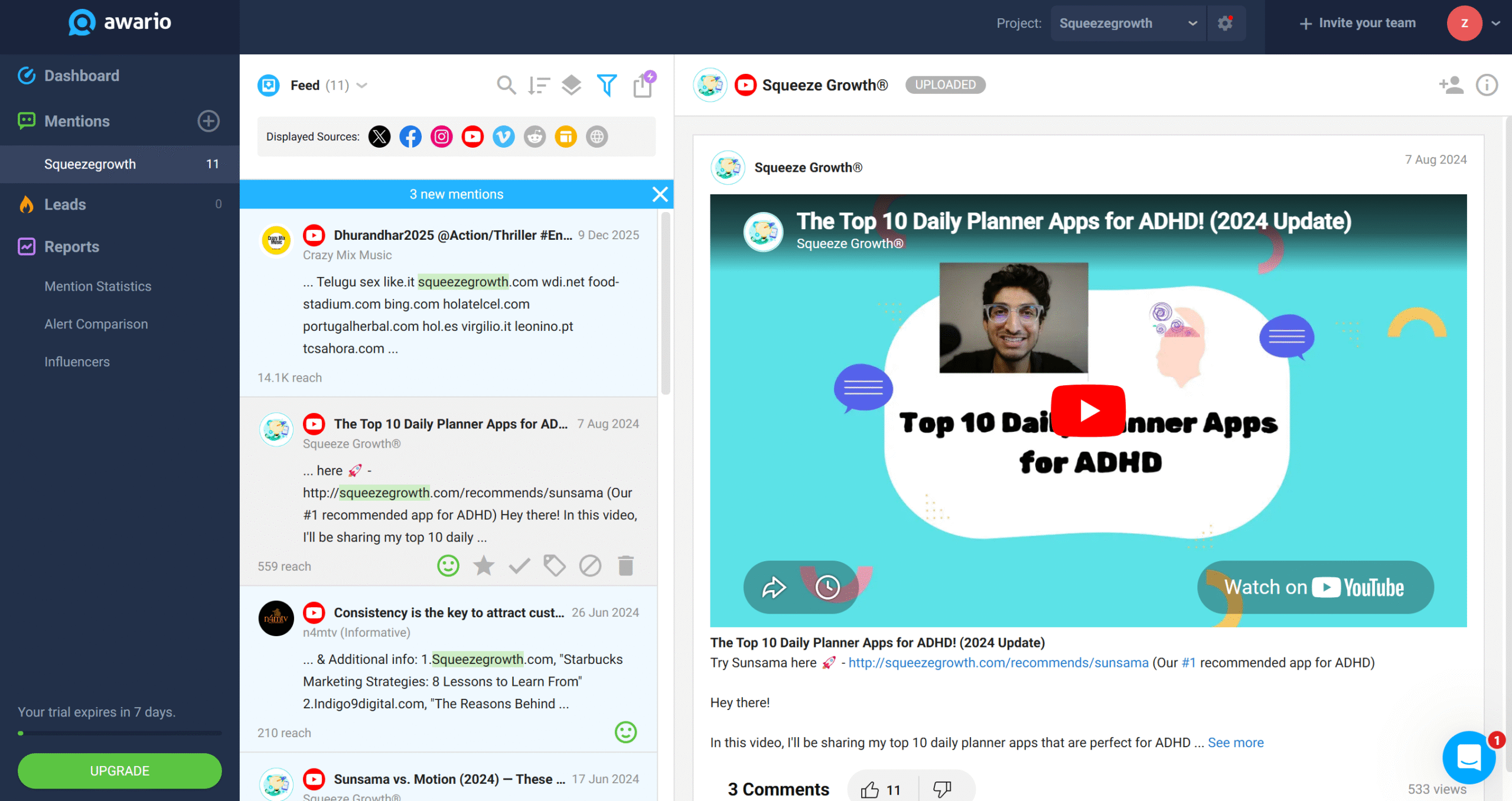
I specifically signed up for free to see the mention and lead discovery module. The app has a simple dashboard view and lead alerts on the left side. Pretty clean.
Core Features
- Social listening.
- Lead discovery.
- Boolean search.
- Influencer and competitor analysis.
- Alerts.
- Team collaboration.
- Analytics and reporting.
- API and integration.
Pros
- It’s budget-friendly.
- Tracks brand mentions and high-intent leads.
Cons
- It focuses on functionality and less on aesthetics.
Price
Awario charges $50 per month for the starter plan. You can try it for free.
3. Mention
Next on the list is Mention. It tracks brand mentions across various platforms, specifically social media sites.
The app is perfect for lightweight monitoring. Its analytics aren’t as in-depth, but it has a solid alerting system and tracks everything in real time.
You’ll also get collaboration features for teams and white-label reporting options for agencies.
Overall, if you’re looking for a simple monitoring system for small to mid-size companies, Mention is best for you.
Core Features
- Brand mentions.
- Sentiment analysis.
- Benchmarking.
- Boolean search.
- Real-time alerts.
- Custom reporting.
- Collaboration.
- API and integration.
Pros
- It’s comparatively user-friendly.
- Tracks mentions in real time.
Cons
- Limited advanced analytics. You’ll get surface-level insights.
Price
Mention prices start at $599. You can take a free trial.
4. BrandMentions
BrandMentions is another reliable social listening tool. A lot of people confuse it with the “Mention” app, but they are two completely separate platforms.
Both Mention and BrandMentions specialize in social media monitoring, but BrandMentions’ coverage is broader.
You can track both web and social media, monitor competitors, find backlinks for your blogs, and keep an eye on influencers’ activities.
The platform basically brings SEO and social listening together to help you manage your online reputation.
Core Features
- Brand mention tracking.
- Web and social media monitoring.
- Competitor activity tracking.
- Sentiment analysis.
- Hashtag tracker.
- Boolean search.
- Influencer report.
- White-label reporting.
Pros
- Provides both social listening and web monitoring.
- Affordable for startups.
Cons
- A slight learning curve.
Price
BrandMentions charges $99 per month for the basic package. You can take a free trial.
5. BrandWatch
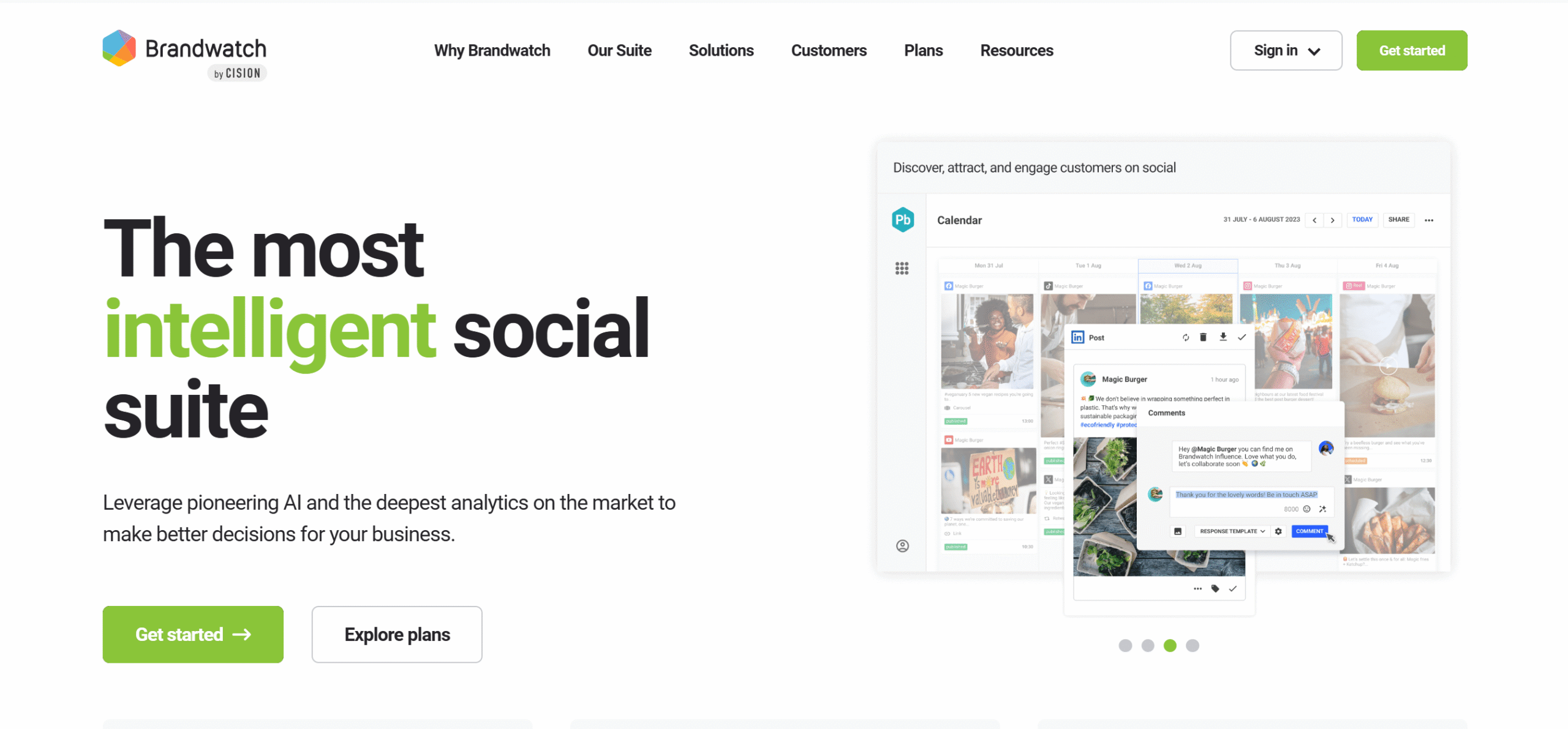
If you want an enterprise-grade social listening tool, try BrandWatch.
It doesn’t just provide media monitoring; you’ll get a full suite, containing in-depth analysis and multi-brand management.
The starter package is exclusively analytics, but if you upgrade your plan, you’ll get social media tools, such as influencer discovery and cross-platform publishing.
You can customize the dashboard and set up advanced filters, including trigger alerts.
Core Features
- Real-time brand monitoring.
- Competitor tracking.
- Advanced search.
- Trigger alerts.
- AI sentiment analysis.
- Analytics and reporting.
- Social media management.
- Influencer discovery.
- API and integration.
Pros
- Broad coverage and custom dashboards.
- Powerful consumer intelligence.
Cons
- Lots of bells and whistles and a steep learning curve.
Price
BrandWatch shares prices on request. You can request a demo.
6. MeltWater
MeltWater is also a popular enterprise-grade listening platform, but it’s a bit different from BrandWatch’s.
BrandWatch’s core strength is consumer intelligence, while MeltWater is more PR-focused. Meaning MeltWater provides both tracking and communication tools to help you manage your brand’s reputation.
Here, you can monitor news and print media platforms, listen to social media conversations, and check competitors’ activities.
You can also track both human and AI reviews.
With its PR tools, you can find the right journalist and send personalized emails for media coverage.
Core Features
- Social media and press monitoring.
- Real-time alerts.
- Sentiment analysis.
- Influencer tracking.
- AI visibility tracking.
- Journalist outreach.
- White-label reporting.
- Integration.
Pros
- Social listening and PR monitoring.
- Journalist database and outreach tools.
Cons
- Social listening is not that in-depth compared to BrandWatch.
Price
MeltWater shares prices on request. You can book a demo.
7. Sprout Social
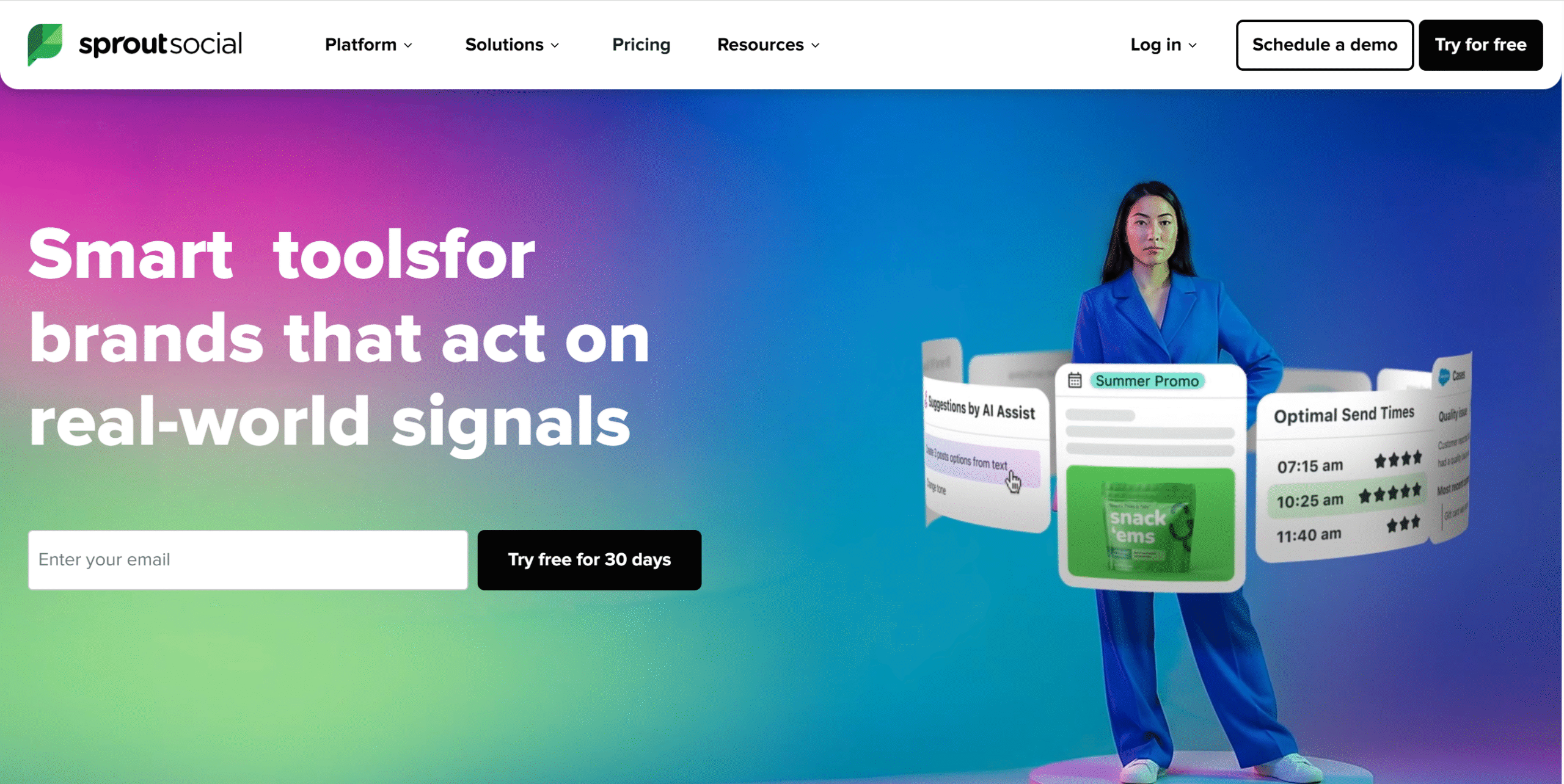
Sprout Social provides an all-in-one social media management solution. It lets you monitor, attract, and engage your target audience in one place.
Some of the things you can do through Sprout Social include content planning, multi-network publishing, messaging, and activity reporting. You can monitor brand mentions in real time and keep tabs on reviews and ratings.
Sprout Social also offers advanced AI social listening tools, but they are available as a paid add-on. You can still do light monitoring in the standard plan, however.
Core Features
- Content planning and publishing.
- Social listening.
- Review management.
- Smart inbox and engagement tools.
- Team collaboration.
- AI insights and reporting.
- Integrations.
Pros
- Rich in features and user-friendly.
- A unified workflow with team collaboration tools.
Cons
- Advanced social listening features are add-ons, which can increase the overall cost.
Price
Sprout Social charges $200 to $400 per month. You can take a free trial.
8. YouScan
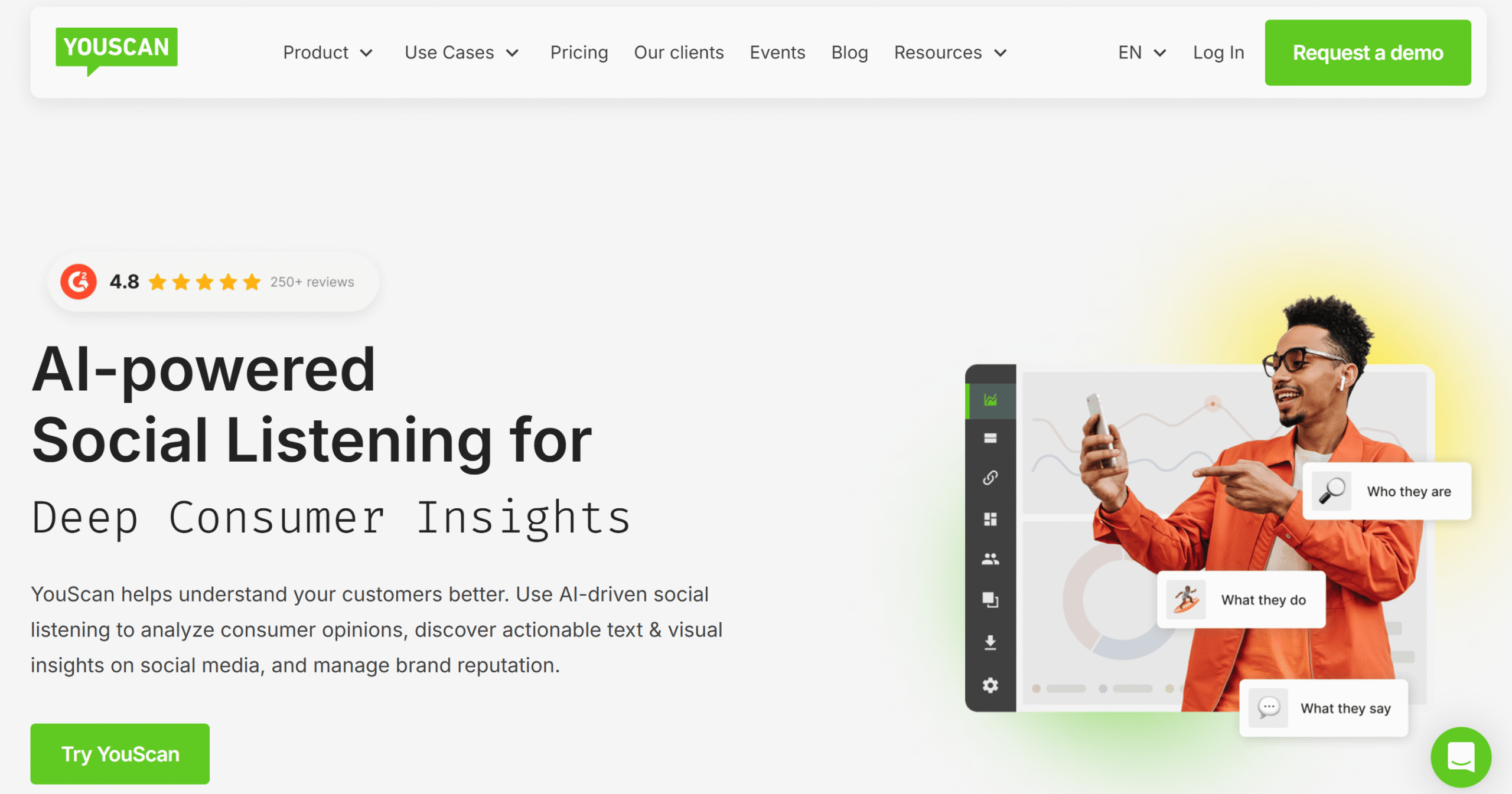
YouScan is well-liked for its visual monitoring tools.
It has AI image recognition capabilities that not only track brand mentions but also logos and other visual content. That means it can pick up UGC content even if the brand is not explicitly tagged.
Another thing.
YouScan comes with an AI Copilot that crunches raw data into quick insights. It can summarize people’s sentiments, highlight key trends, identify complaints, and more.
While Brand24, BrandWatch, and Sprout Social also have similar built-in AI assistants, YouScan stands out for its visual listening capabilities.
Core Features
- Social mentions.
- Text and visual monitoring.
- Copilot.
- Sentiment analysis.
- Audience insights.
- Alerts.
- Integrations.
Pros
- Tracks text and images both.
- Excellent for monitoring UGC platforms, such as Instagram and TikTok.
Cons
- It has a learning curve.
Price
YouScan prices start at $500 per month. You can request a demo.
9. Mentionlytics
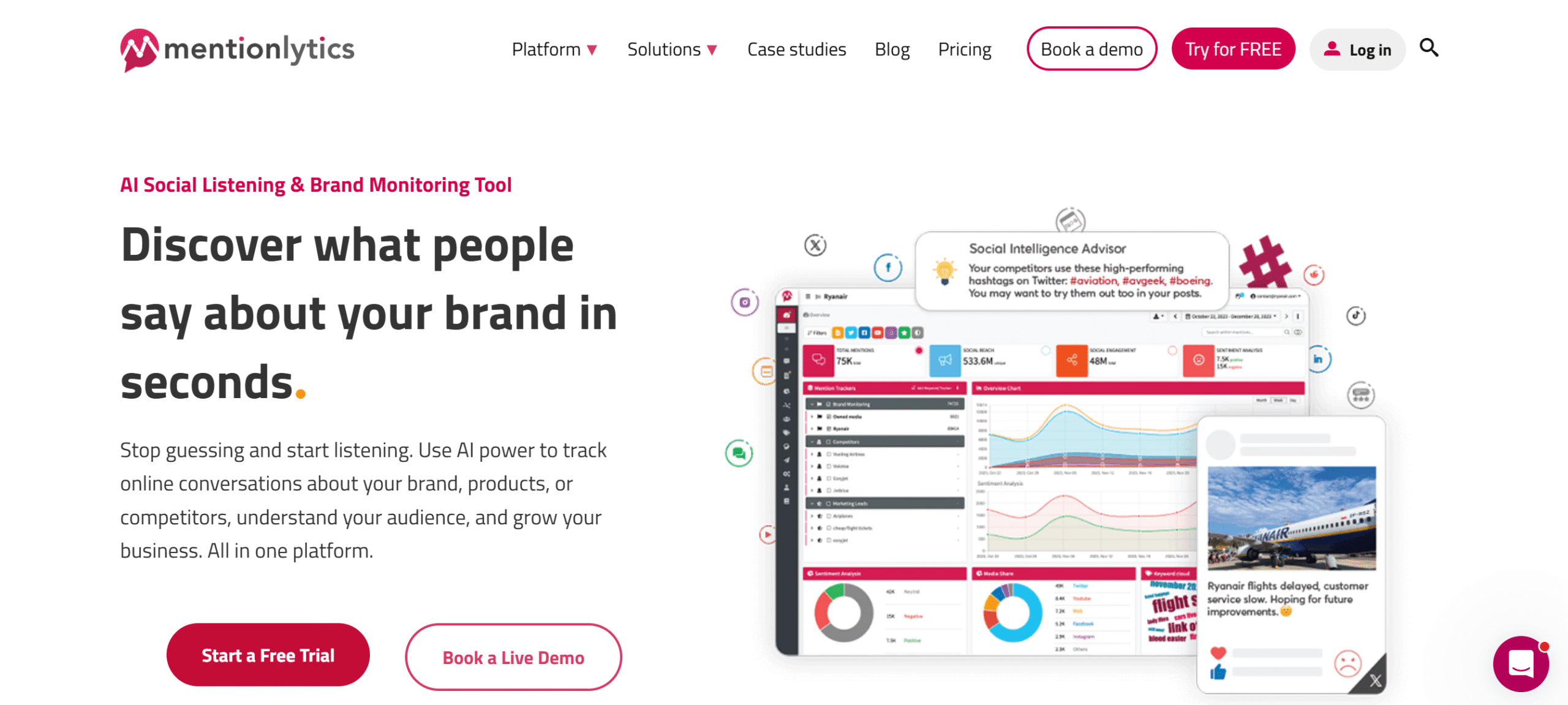
Mentionlytics is perfect for small businesses.
It’s easy to use and provides all the essential social listening tools at a budget-friendly price.
For $60 per month, you can monitor both web and social media platforms, track trending topics, and generate sentiment analysis in 95+ languages.
If you upgrade the plan, you can also run more in-depth analysis of your brand reputation and get alerts for unusual spikes.
But the best part?
Mentionlytics can detect logos and objects in the images, like YouScan.
Core Features
- Text and visual content monitoring.
- AI sentiment analysis.
- Built-in AI assistant.
- Competitor monitoring.
- Spike alerts.
- Content publishing.
- Team collaboration.
- Integration.
Pros
- It’s easy to use.
- Monitors brand mentions and images.
Cons
- Social listening is surface-level.
Price
Mentionlytics’ price range is between $50 and $1500 per month. You can also get managed services.
10. Trigify
Trigify works a little differently from traditional social listening tools like BrandWatch and Brand24.
While it tracks conversations and brand mentions, its main focus is on buyer intent to help you find potential customers.
This makes Trigify ideal for B2B marketers who rely heavily on professional networks like LinkedIn to generate leads. You can monitor relevant discussions, get intel on competitors, spot prospects, and engage with your target audience.
Core Features
- Brand mention and conversation monitoring.
- Buyer intent detection.
- Workflows.
- Competitor monitoring.
- Real-time alerts.
- Reporting.
- API and integration.
Pros
- It helps uncover qualified leads.
- Ideal for B2B companies.
Cons
- The coverage is limited. While you can monitor other social platforms, it’s built for LinkedIn.
Price
Trigify charges $40 to $200 per month.
11. Octolens
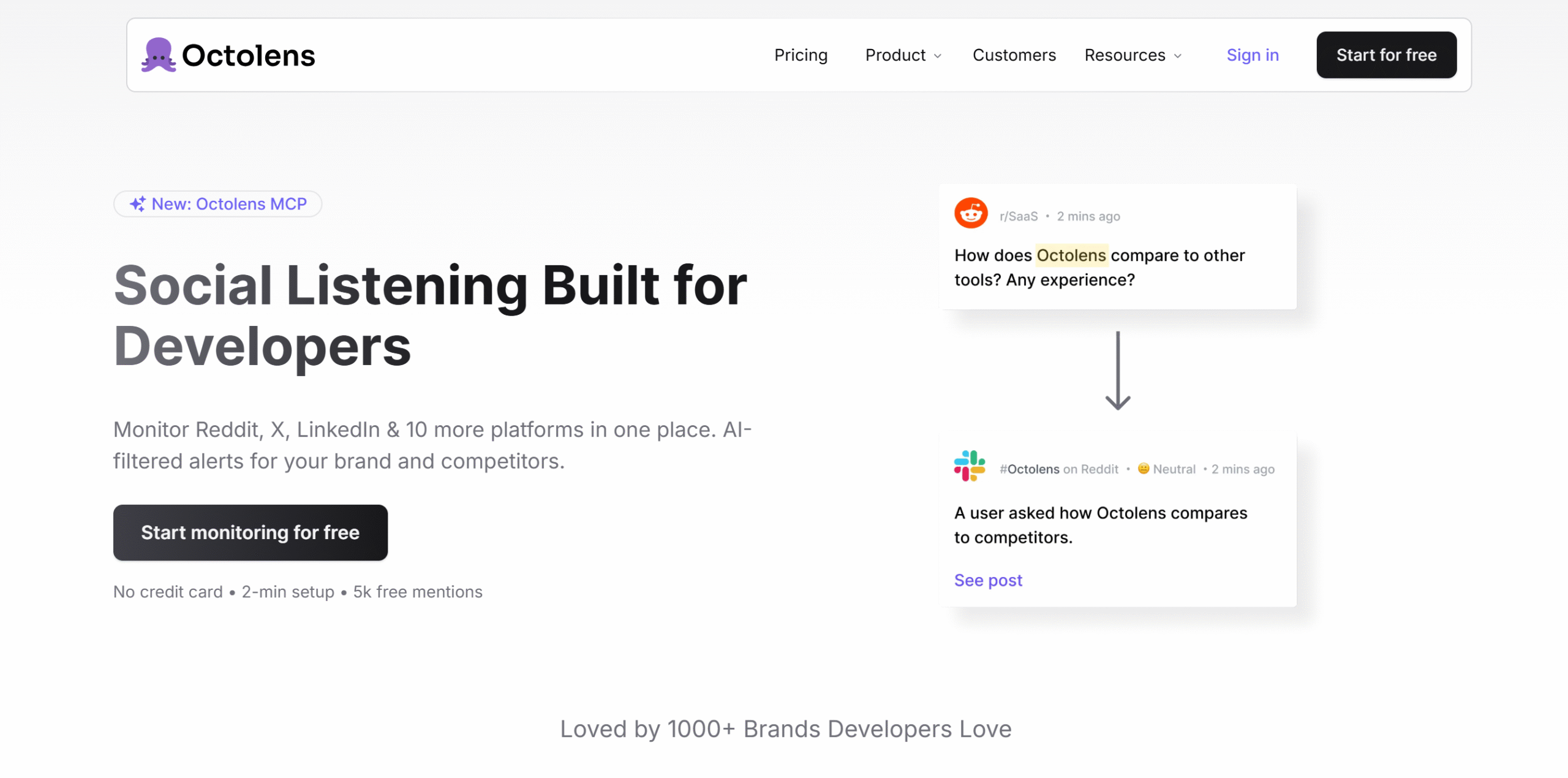
Octolens is a relatively new listening tool, but it offers some promising features.
Like Trigify, it’s specifically built for B2B brands and focuses on buyer-intent monitoring, but it’s more like an AI discovery engine than a structured monitoring system.
You won’t receive any advanced workflow, but what you’ll get is an AI tracker that monitors conversations and gives signals as they appear.
It’s a good platform for startup companies looking to grow their customer base.
Core Features
- Brand mentions and keywords.
- Signals and Slack alerts.
- AI sentiment analysis.
- Analytics dashboard.
- API and integration.
Pros
- It offers an AI-powered lead discovery tool.
- Great for B2B companies, specifically startups.
Cons
- It has a learning curve.
Price
Octolens charges $150 to $400 per month. You can try it for free.
12. Hootsuite
Hootsuite is a widely popular social media management platform. Most people love it because it’s incredibly convenient.
You can conduct market research here, handle your social calendar, listen to what people say about your brand, and keep an eye on competitors.
Not only that, but you can monitor anomalies in real time and set up pre-built workflows to manage crises.
That’s not all.
Hootsuite offers several social media management tools to publish and measure your brand performance. That means you can manage your social media content and brand reputation from one place.
Core Features
- Brand mention monitoring.
- Content publishing.
- Benchmarking.
- Review and crisis management.
- Engagement tools.
- Team collaboration.
- Analytics and reporting.
- Integration.
Pros
- It provides an all-in-one solution.
- Good team collaboration features.
Cons
- Social listening is a secondary function.
Price
Hootsuite prices start at $99 per month. You can take a free trial.
13. BuzzSumo
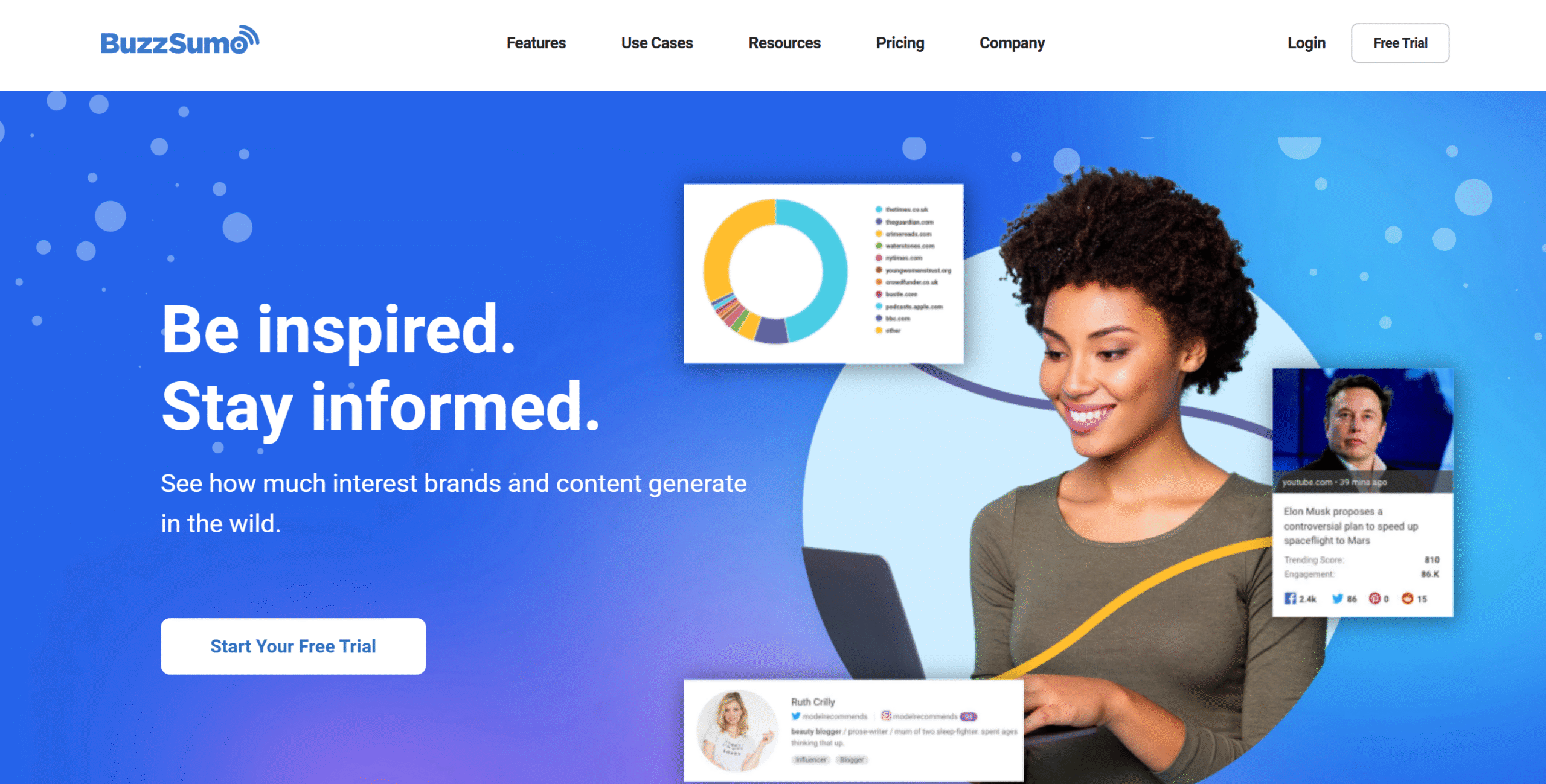
BuzzSumo specializes in content intelligence and monitoring.
Meaning, it focuses on both emerging topics and online mentions.
This tool is particularly useful for PR teams who want to see what type of content is currently trending.
You can set up alerts for brand mentions and trending stories so you can respond quickly to PR opportunities and risks.
All in all, it’s a lightweight social listening tool for agencies.
Core Features
- Content research and ideation.
- Brand mention monitoring.
- Coverage report.
- Media database and discovery.
- Content performance measurement.
- Real-time alerts.
- Integration.
- Chrome extension.
Pros
- It provides content intelligence plus social listening.
- Excellent journalist discovery and outreach tools.
Cons
- Social listening is basic.
Price
BuzzSumo prices range between $200 and $1000. You can take a free trial.
14. Reputation
Reputation app does what it says; it helps you manage your online presence through social listening and review management.
The platform is specifically designed for companies that want to know how their brand is perceived on review platforms and AI search engines.
It pulls all the relevant data into a single dashboard, allowing you to track and respond to online reviews.
Core Features
- Sentiment and feedback analysis.
- Review management.
- Customer engagement.
- Workflows.
- Collaboration tools.
- Analytics and reporting.
- Integration.
Pros
- It offers a solid review monitoring and management system.
- Best for multi-location businesses.
Cons
- It’s more focused on reviews than real-time conversations.
Price
Reputation prices start at $150 per month. You can request a demo.
15. Keyhole
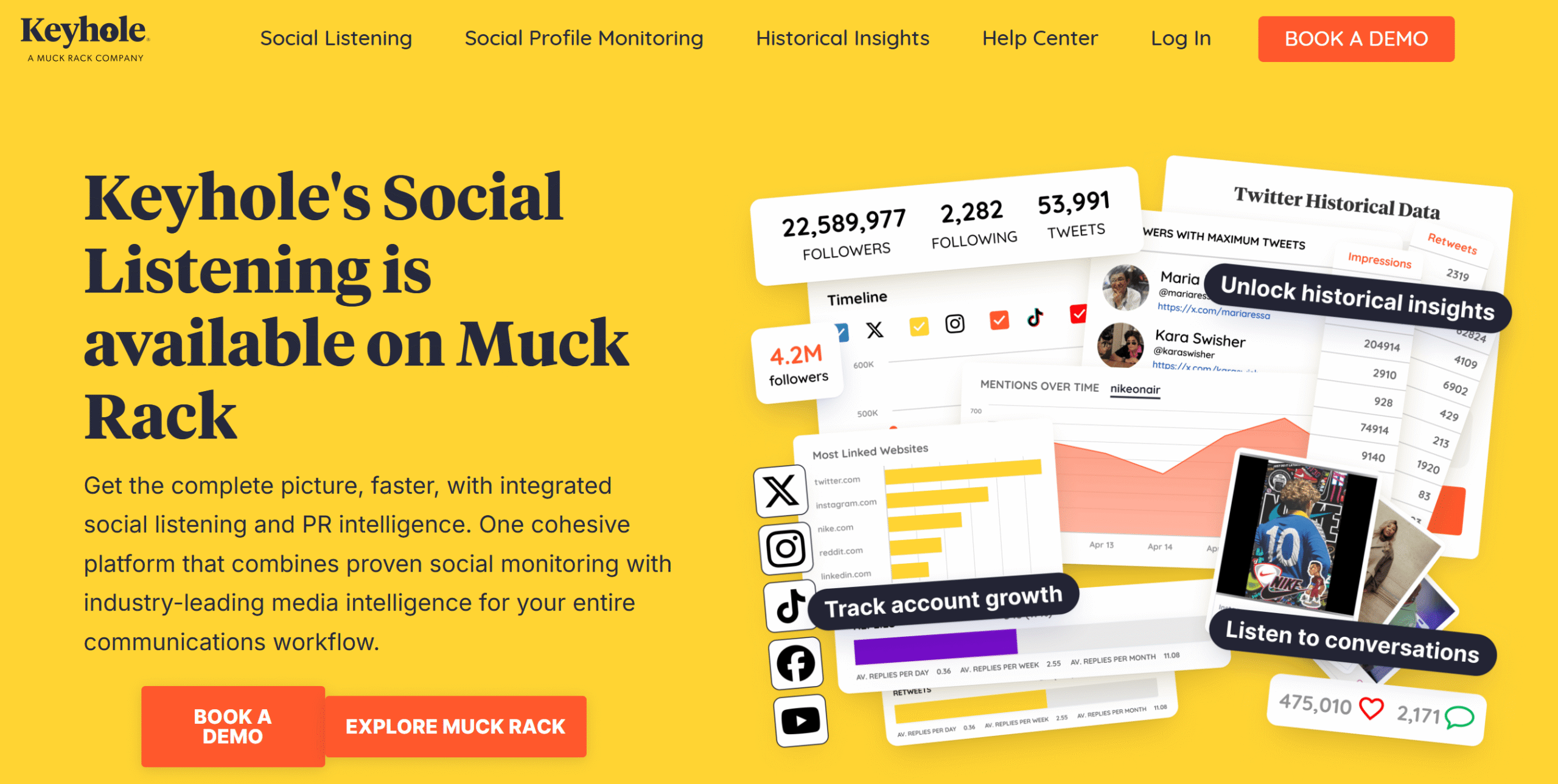
Keyhole is best at hashtag tracking.
You can use it to monitor your brand activity and spot marketing opportunities in real time.
You can also learn what type of content generates the most response and refine your content strategy accordingly.
From a social listening perspective, Keyhole may feel a bit limited, but its strong hashtag tracking capabilities can make it an incredibly effective social listening tool.
If you frequently use Twitter, Instagram, and TikTok for engagement, try this app.
Core Features
- Hashtag tracking.
- Social listening.
- Sentiment analysis.
- Competitor and influencer tracking.
- Campaign analysis.
- Spike detection.
- Reporting.
Pros
- It’s lightweight and user-friendly.
- Great for hashtag monitoring.
Cons
- Sentiment analysis is basic.
Price
Keyhole shares prices on request. You can take a free trial.
Conclusion
A social listening tool is meant to help you understand your target audience a bit better.
But not every app is built the same and fits what you need.
If you are a small team looking for a user-friendly solution, Brand24 is a good choice. BrandWatch is better suited for large companies that need deeper insights. Mentions is best for PR companies, while Trigify provides B2B-focused tools.
Choose a tool that matches your goals, requirements, and budget.


 A better way to manage projects and clients for freelancers
 Get through busy days like a breeze with Reclaim.ai