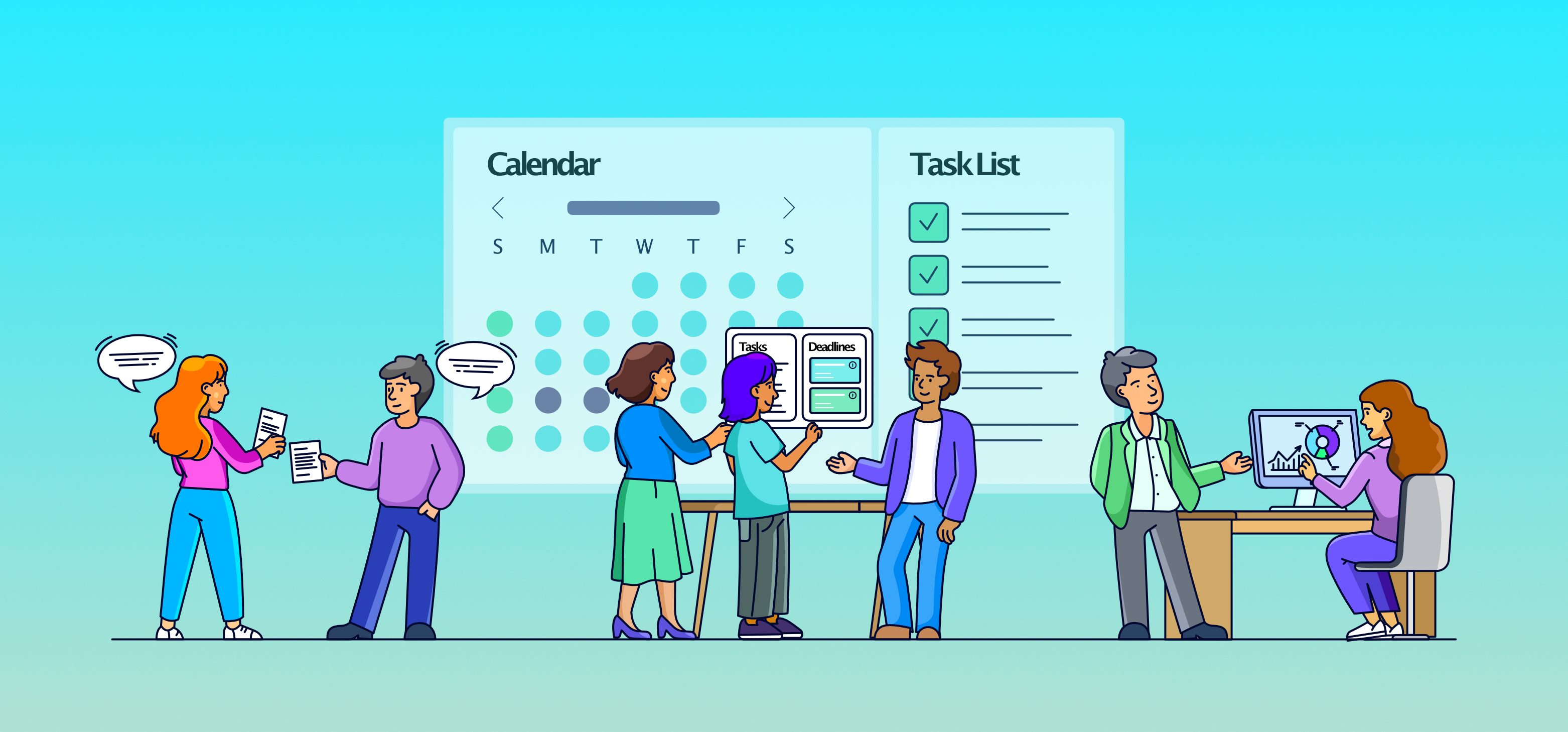
Workplace accountability means taking ownership of your actions, tasks, and behavior. It’s about accepting your responsibilities and acting professionally.
A team functions more efficiently when all members take ownership of their work. You complete your tasks on time, identify errors and learn from them, and gain each other’s trust.
If you plan to implement a culture of accountability or want to focus on personal development, I have shared 20 real-life examples for inspiration.
I have focused on both sides of the equation, describing managers’ and employees’ accountability in the workplace.
What is Workplace Accountability, and How Can It Improve a Team’s Performance?
Every employee is responsible for the job assigned to them. It includes arriving on time, completing tasks, resolving conflicts, and following the company’s policies.
In the absence of accountability, tasks are delayed, people start the blame game, and team spirit suffers.
Managers alone are not responsible for the team; employees need to contribute as well to make things work. Those who hold themselves accountable for their actions are more proactive and also help their team grow.
Let’s look at the best examples of accountability to understand a leader’s and an employee’s role in the workplace.
10 Real-life Leadership Accountability Examples
Here are a few real-life examples of a manager’s workplace accountability.
1. Objectives and Key Results

As a manager, your core responsibility is to get things done. You are assigned a team for the execution and given authority to exercise control.
That means your team’s action reflects directly on you, and an oversight can make you look incompetent.
Offer measurable goals to instill a sense of accountability. Goals help you create a clear course of action and provide clarity to your team to better understand the company’s expectations.
Example
You are a retail manager and have been given a 25% revenue target for the seasonal sales.
You can meet your goals by assigning roles to the right person and providing clear guidelines, such as helping visitors with the shopping and upselling low-value products.
2. Empowering Team Members
One of the key instigators of a toxic workplace environment is poor management.
Micromanaging, favoritism, and a lack of acknowledgement can cause low morale and high employee turnover.
You can boost your team’s performance by allocating tasks fairly and giving them autonomy. People deliver more when they take ownership of the tasks.
Example
Zappose–a retail brand–introduced a Halocracy model to increase individual performance. They distributed authority to team members to encourage self-management.
The result? High engagement and excellent customer service.
3. Maintain Confidentiality
Most companies keep their clients, employees, and company data private to secure sensitive information. It helps them build trust in the organization and also protects them from legal actions.
You’ll probably have more access to the information than your junior, for obvious reasons. That can put you in a position to be held accountable for the data breach.
Use prudence when communicating with anyone. Alternatively, you can add non-closure clauses in contracts to protect the company’s interests.
Example
The classic example of confidentiality is the HR department.
Human resources typically have access to the company’s and employees’ private information. They are responsible for the data security and can be held accountable for disclosing sensitive information, which can lead to termination.
4. Company’s Culture

The workplace environment plays a vital role in employee turnover.
88% of people consider a company’s culture when applying for a job, and the same number of people would gladly take low pay to work in a friendly environment.
Lead by example to create a strong workplace culture. How you lead can significantly influence your company’s culture.
Example
Ever heard of Patagonia? It’s an outdoor apparel brand well-known for its environmentally friendly culture.
The company not only builds eco-products, but it also encourages environmental advocacy through various employee incentive programs.
5. Mentorship
Team leads are hired to act as an intermediary between employees and upper management. Their job mainly requires coordinating activities, allocating resources, and resolving conflicts.
But they’re also responsible for their team’s growth.
Share your knowledge to help your team grow. You can implement in-person coaching, official training, and collaborations.
Example
If a company hires an entry-level accountant with a strong educational background but little experience, managers typically assign a senior employee to show them the ropes.
You can set up SOPs with a review system to offer guidance and ensure accountability.
6. Mistake acknowledgement
Mistakes happen in the workplace.
Overworked employees are more at risk, but leaders also sometimes overlook important things and make poor judgments.
The best way to handle such a situation is to acknowledge your mistake and make the necessary amends. This will help you strengthen your relationship with your team and improve your standing.
Example
Founder of Epic Win, Karl Armstrong, shared an account of an incident that nearly led to the loss of a good resource.
He once executed a poorly planned project on the suggestion of his senior employee and blamed them for the negative outcome.
He later settled the situation but learned a valuable lesson on leadership: you make the final decision and are accountable for your actions.
7. Stress Management

A leadership role is a high-pressure job.
You will be required to meet organizational goals, oversee your team, tackle unexpected delays, and make important decisions.
With clear communication and stress management, you can reduce the flow of work pressure down the line and keep both employees and management happy.
Example
The most stressful job of a manager is to handle the upper management pressure.
Many buckle under the strain of undue pressure and transfer some of it to their team, leading to a toxic work environment.
Ultimately, your team’s productivity will get hit, and you’ll be held accountable for your team’s poor performance–hence the need for stress management.
8. Regular Check-ins
Team management requires continuous monitoring and regular check-ins.
No matter how capable your team is, they still need supervision. If one of them slips, you may be held accountable for the blunder.
Example
A senior VP at ResumeLab shared a good example of the need for regular check-ins.
In her early months as a VP, she hired an entry-level HR and assigned various tasks that she later realized were probably above their experience level.
The result? Poor performance.
Had she kept a check-in with her employees, she would have identified the problem early and avoided the stress.
9. Performance assessment
Traditional performance appraisal rarely shows a complete picture. As a result, 67% of employees often feel unsatisfied with their evaluation results.
You can improve your team’s efficiency and happiness with a transparent and ethical performance evaluation process. Your feedback as a manager can greatly influence your employees’ performance.
Example
Meta recently changed its performance appraisal process and laid off a massive number of employees who didn’t meet the criteria. The list included many staff members who had previously received good performance reviews.
The layoffs have caused insecurity and low morale among the current employees, which may impact employee turnover in the future.
10. Professional Development

50% of the managers don’t receive any training for the role. They perform their duties based on intelligence, experience, and people skills.
You need to continuously improve your skill set to make better decisions. Your actions can directly impact your company and your team.
Example
Satya Nadella’s example is an excellent case study for personal development.
When Microsoft faced operational challenges, he focused on his own personal growth and introduced the same principle in the company.
10 Real-Life Employee Accountability Examples
Here are a few real-life examples of employee workplace accountability.
1. Attendance
Being punctual shows respect for your job and colleagues.
If I’m late, it means someone else will have to cover for me. That shows a lack of accountability that might eventually affect your career in the long run.
Example
At restaurants, managers typically use staff scheduling software to monitor workers’ hours. They keep a record of employee movements and input them into the payroll process.
Those who clock in late or skip work not only have their wages reduced, but also risk creating discontent among their colleagues.
2. Job Commitment
When you’re hired for a job, your assigned tasks become your sole responsibility. How dedicated you are to your job reflects on your work performance.
Job commitment helps you build a sense of ownership. You can become a reliable resource for your managers and establish your position in the company.
Example
A customer service representative’s job is to assist clients and solve their problems.
If you are not committed to your job and willing to go the extra mile for your customers, they may give poor reviews and negatively affect your company’s reputation.
3. Policy Adherence
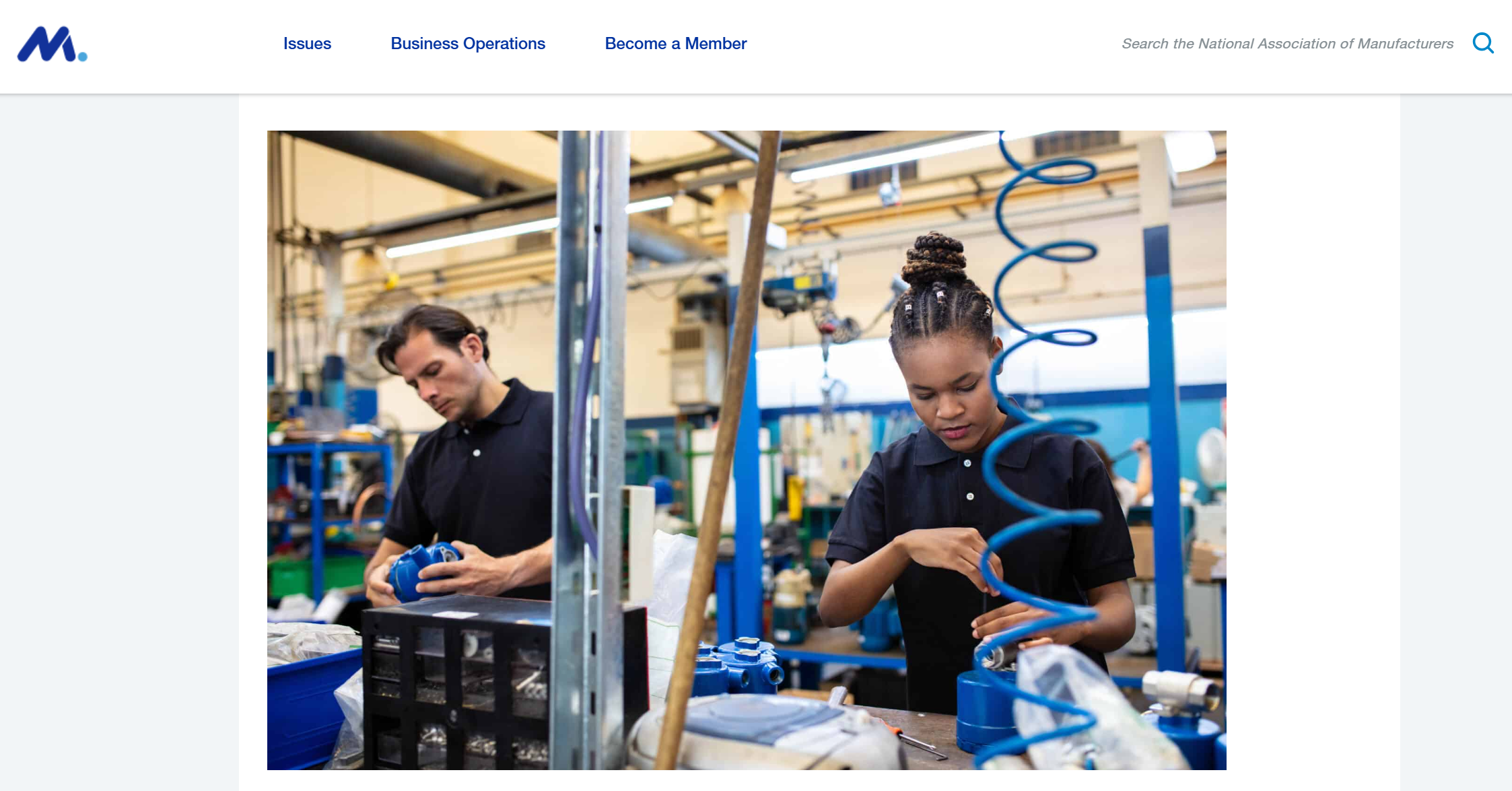
Policies provide SOPs to ensure fair treatment. They are created to protect the company’s interests and offer a safe work environment for employees.
You can be held accountable for breaking the company’s policies. A small mistake can create a domino effect, leading to serious consequences.
Example
The best example of policy adherence is the manufacturing workers.
In 2015, an engineer in a UK-based production company was repairing a box-making machine when a miscalculation caused injury to his hand.
In the aftermath, both the worker and the company suffered losses.
4. Meeting Deadlines
A deadline offers a measurable goal. It gives you an estimated time of completion to help you get things done on time.
Failing to meet your deadlines shows incompetence and unreliability.
If you repeatedly miss deadlines, you risk both your reputation and your company’s image.
Example
Suppose your competitor intends to launch a new product line on a specified date. You plan to gain an edge by releasing your own products before your competitor’s launch date.
You created your schedule based on available resources and started the production immediately. But your team failed to meet the deadline, resulting in a loss of opportunity.
5. Constructive Feedback
Constructive feedbacks help you identify your mistakes and improve your skill set.
By being positively receptive to criticism from your manager, you can show a desire to learn and improve your career opportunities.
Example
Constructive feedback scenario applies to tons of workplace situations.
Take weekly project meetings, for example. If your lack of initiative gets pointed out and you fail to take criticism in good faith, you can weaken your position in the team and risk getting kicked out.
6. Document Maintenance
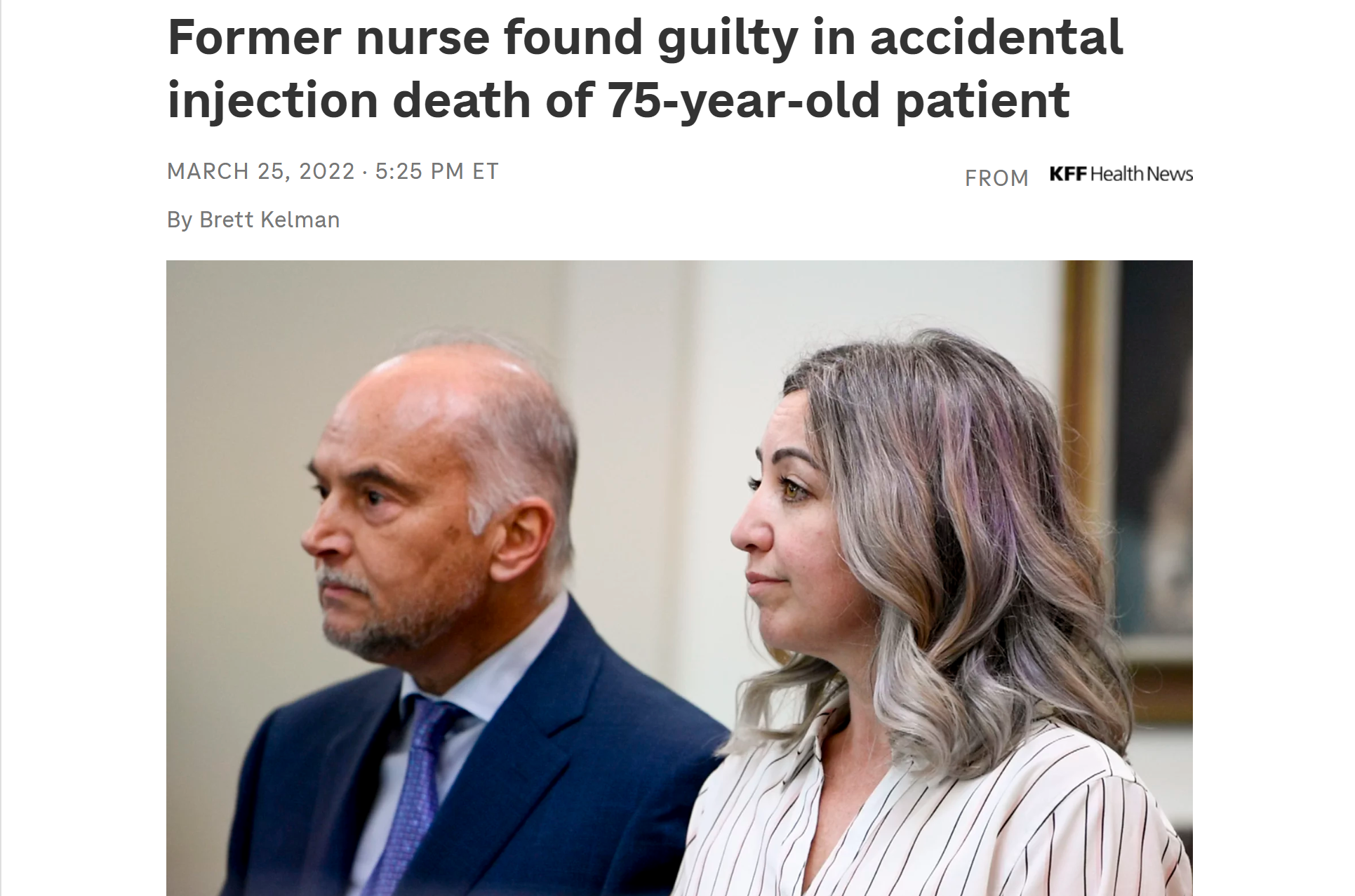
Employees are typically required to document their work to keep a record for the managers and external parties. It reduces miscommunication and creates an accurate source of information for the company.
It’s your job to make sure you maintain a written record of your work. If your negligence results in misinterpretation, you can be held accountable for it.
Example
In 2017, a nurse at Vanderbit University Medical Center mistakenly administered the wrong medication due to a documentation error, causing brain injury in a patient.
The nurse was criminally charged and sentenced to three years’ probation.
7. Collective Responsibility
When you join a team, you inadvertently take the collective responsibility of your colleagues, whether you want it or not.
Because if one member of your team makes a mistake, it affects the entire team.
Stand up with your team in times of crisis. The unity improves teamwork, morale, and work efficiency.
Example
In a manufacturing company, workers are encouraged to report safety issues and work hazards.
If one finds a fault and reports it on time, they can protect others from future incidents.
8. Data Accuracy
Data accuracy is extremely necessary because small errors can disrupt an operation or cause privacy and security issues.
An oversight in payroll can delay salary disbursement. An accounting error can mess up the balance sheet. Even a receptionist’s data mishandling can hurt the company’s clients.
Example
A faulty deployment of code caused Knight Capital to lose $440 million in less than an hour in 2012.
That event highlights how important it is to monitor the flow of data and operations. Data errors and Inaccuracies can hurt your company.
9. Time Management
82% of people in the workplace struggle with time management. Most spend half of their time on low-priority tasks and miss deadlines, leading to poor performance.
Handling your time effectively helps increase your output and lowers work stress.
Through weekly planners, you can easily manage deadlines, build connections, and maintain work/life balance.
Example
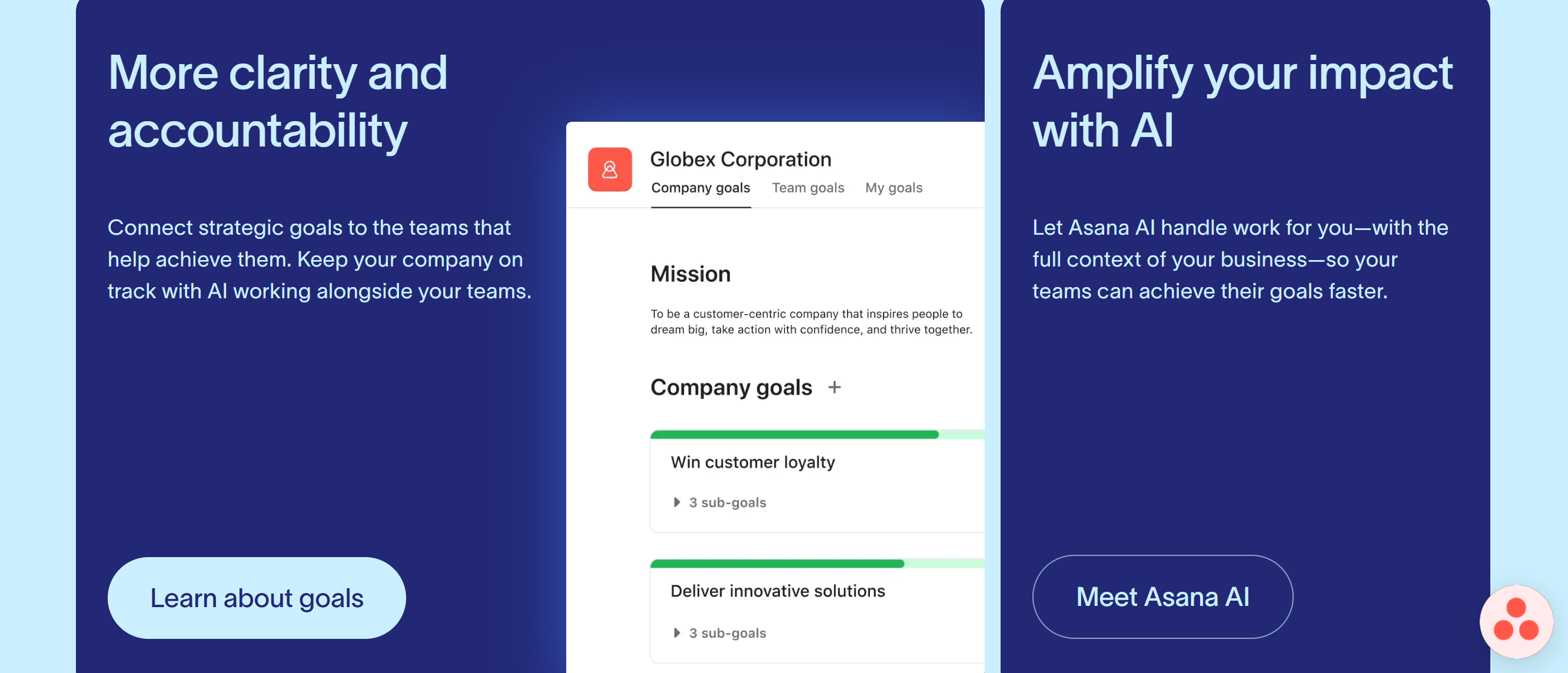
Asana helps you plan your day to complete priority tasks on time. Via this app, you can reserve time for checking emails, focused activities, and prompt tasks.
Over 85% of Fortune 100 companies use Asana for its effective tools.
10. Personal Accountability
An employee’s attitude, professionalism, and commitment directly affect the workplace environment, irrespective of their position.
A toxic behavior can weaken connections and hurt your team’s job performance, which inadvertently damages the company’s reputation.
Example
Office gossip and politics are good examples of unprofessional behavior.
Many face aggressive behavior from their peers, including bullying, belittling, and harassment. And over 25% leave their job because of the negative attitude of their co-workers.
Conclusion
Workplace accountability inspires integrity and teamwork. It helps teams communicate better and allows them to meet the company’s goals more efficiently.
Both managers and employees should promote a culture of accountability to improve team performance and build transparency. It would eliminate micromanagement, making the workplace environment more positive.
Explore the examples and adopt some of them to see their impact on the company’s culture. Good luck!


 A better way to manage projects and clients for freelancers
 Get through busy days like a breeze with Reclaim.ai