
There are several reasons why your company may need international employees, either for global reach or the need for a rare skillset.
Regardless, expanding your company or business globally is often a smart move that can improve your global presence, increase sales, and help your business stay ahead of competitors.
But venturing into international recruitment can seem risky. How do you navigate the legalities, cultural nuances, and logistics of finding the perfect candidate across borders?
I’ve made this article to provide you with the information and strategy you need to confidently hire an international candidate.
Why Do You Need to Hire International Employees?
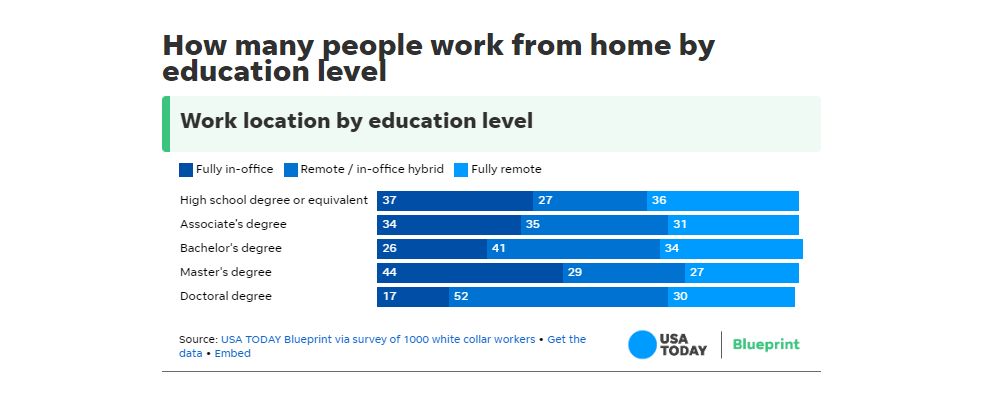
There are three primary reasons why any organization should consider recruiting international employees:
(a) The emergence of remote work
(b) The steady growth of international outsourcing.
(c) The shift to international expansion.
First, the rise of remote work makes hiring international workers more appealing, you no longer need your employees to be close to an office.
Business owners across multiple industries have long questioned the necessity of a central office with high rental costs, employee travel restrictions, and the costs associated with ongoing office maintenance.
Studies show that the number of remote employees has increased by 80 percent compared to the previous decade. This trend towards a remote workforce has been gaining momentum despite various HR challenges, such as proximity bias.
Hiring international employees is the greatest way to accomplish global expansion if your company operates internationally or caters to a global audience.
What Are the Benefits of Hiring International Employees?
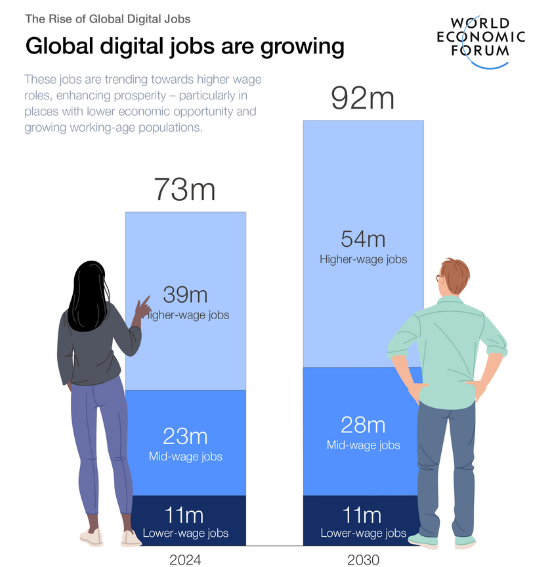
Here are 5 key benefits of hiring international employees:
1. Expanding into New Markets
Going global? International employees often have established networks within their home countries. They can leverage these connections to introduce the company to potential clients, partners, or even local influencers who can amplify your brand awareness.
This pre-existing network provides a springboard for establishing your presence in the new market and fostering valuable connections that can accelerate your growth.
2. Enhanced Innovation and Creativity
Diversity is the engine of innovation! International employees bring a wealth of perspectives, experiences, and working styles to the table.
This pool of ideas fosters a more creative and innovative environment. New approaches and solutions can emerge as team members with different backgrounds challenge assumptions and propose unique solutions to propel your business forward.
3. Multilingual Capabilities
Hiring multilingual employees is a significant asset for companies operating internationally or catering to a global audience. These employees can bridge communication gaps, provide customer support in multiple languages, and effectively handle international business transactions.
This not only enhances customer experience but also opens doors to new business opportunities.
4. Building a Strong Employer Brand
Diversity is attractive, and showing a commitment to diversity and inclusion by actively seeking international talent can significantly improve you as an HR.
It showcases your company as a global entity that welcomes individuals from all backgrounds and fosters a culture of inclusion. This not only positions you as an attractive employer for top talent from around the world but also fosters a more positive and collaborative work environment within your existing team.
5. Access to a Global Talent Pool
By casting your recruitment net internationally, you’re no longer limited by geographical borders. You can find the perfect candidate for the role, regardless of their location, giving you access to a wider range of skills and expertise.
This is specifically valuable for niche skills or in situations where the talent pool in your local area might be limited.
Cons of hiring of international employees
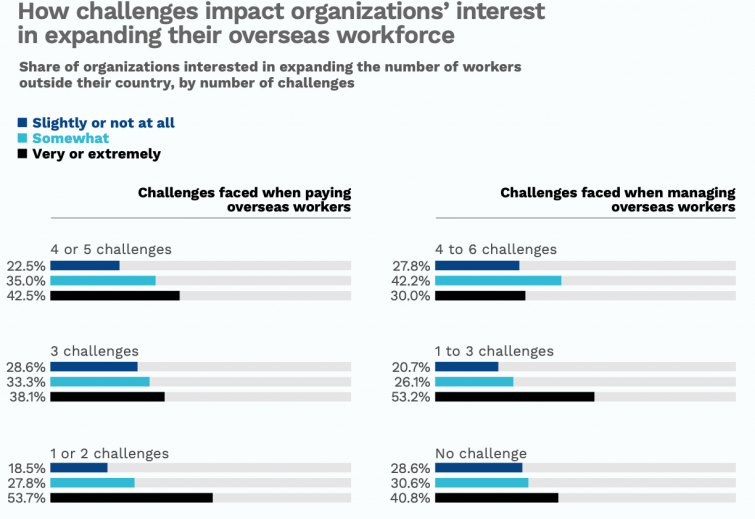
Source : PYMNTS
While recruiting international employees has many advantages, there are also potential negatives to consider:
1. Increased Complexity and Costs
If you aren’t hiring remotely, the hiring process for international employees can be more complex and time-consuming compared to local recruitment. You will need to go through additional legalities like visa sponsorship, work permits, and complying with different employment laws.
These processes can be expensive, involving lawyer fees, government application fees, and potential relocation assistance.
2. Communication Challenges
Language barriers can pose challenges during the interview process and ongoing team collaboration. Even if an international candidate possesses strong English (or your company’s primary language), cultural nuances in communication styles can lead to misunderstandings or misinterpretations.
3. Time Zone Differences
Depending on the location of your international employee, collaborating across time zones can be challenging. Scheduling meetings at convenient times for all parties might be difficult, and real-time communication may not always be feasible.
4. Limited Candidate Pool Availability
While international recruitment offers access to a wider talent pool, some skilled professionals might feel reluctant to relocate to a new country due to personal or professional reasons.
Additionally, visa restrictions in certain countries can limit the pool of available candidates.
5. Retention Challenges
Even after successfully integrating an international employee, retaining them can be challenging. Factors like homesickness, difficulty adjusting to a new culture, or limited career advancement opportunities within the company might lead them to seek opportunities back in their home country.
Understanding On-site and Off-site Recruitment
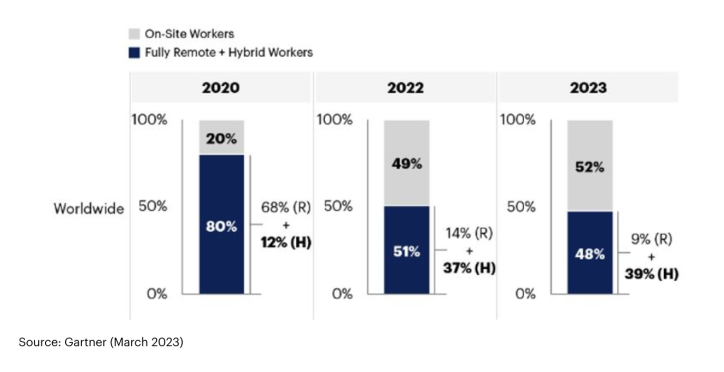
The key difference between hiring on-site and off-site employees boils down to their physical work location. Here’s a breakdown of the key distinctions:
On-Site Employees
When hiring on-site international employees, they’ll be physically present at your company’s office. In most cases, this encourages closer collaboration through real-time communication, brainstorming sessions, and a smoother flow of information.
Additionally, an on-site international presence can boost your brand awareness and credibility within the local market.
However, challenges include potentially sponsoring work visas for qualified candidates, which adds legal complexities and costs.
You might also consider offering relocation assistance to ease the transition, but this adds another layer to the process.
Off-Site Employees (Remote)
Choosing to hire off-site international employees opens doors to a wider talent pool. You can search globally to find the perfect candidate for the role, regardless of their location. This approach can also offer cost savings due to potentially lower salary expectations in some countries.
Off-site employees bring valuable regional expertise to the table, which is beneficial if your company operates internationally.
Steps For Hiring International Employees
As an HR, whether you’re looking to hire remotely or on-site, following certain procedures will ease the process. Let’s discuss the steps for each;
For On-site International employees
1. Define Job Requirements and Qualifications
When employing an international employee, it is critical to know the exact candidate and knowledge required for the job. This will help you focus your recruitment efforts and analyze prospects more efficiently.
Secondly, language proficiency is essential depending on the job and country. If the job requires communication in a specific language, you must ensure your prospective employee has the necessary language skills. This may involve conducting language tests or interviews.
Lastly, compatibility and international experience are important considerations when employing international staff. It is advisable to think about how well the potential employee will fit into your company culture and how their international experience will assist your business.
2. Understand the Legal Requirements
Before recruiting an international employee, you must understand the legal requirements, which include researching rules, understanding obligations, and addressing the immigration process.
It’s important to understand that working in a cross-cultural setting can provide certain difficulties in integration and communication.
Different countries have different visa and work permit regulations. You must do your homework and understand what type of visa or work permit your prospective employee will need. This will depend on factors like the nature of the job, the duration of the employment, and the employee’s nationality.
This also involves an investment of time and resources, as you’ll need to provide documentation, pay fees, and meet specific requirements as an employer.
Immigration processes can be a bit tacky. It’s important to familiarize yourself with these processes and understand what steps you’ll need to take to hire international employees.
This can include submitting applications, providing documentation, and attending interviews.
3. Locate and Draw in International Talent
The next stage is to find and recruit the right candidate after you’ve identified the job specifications and credentials.
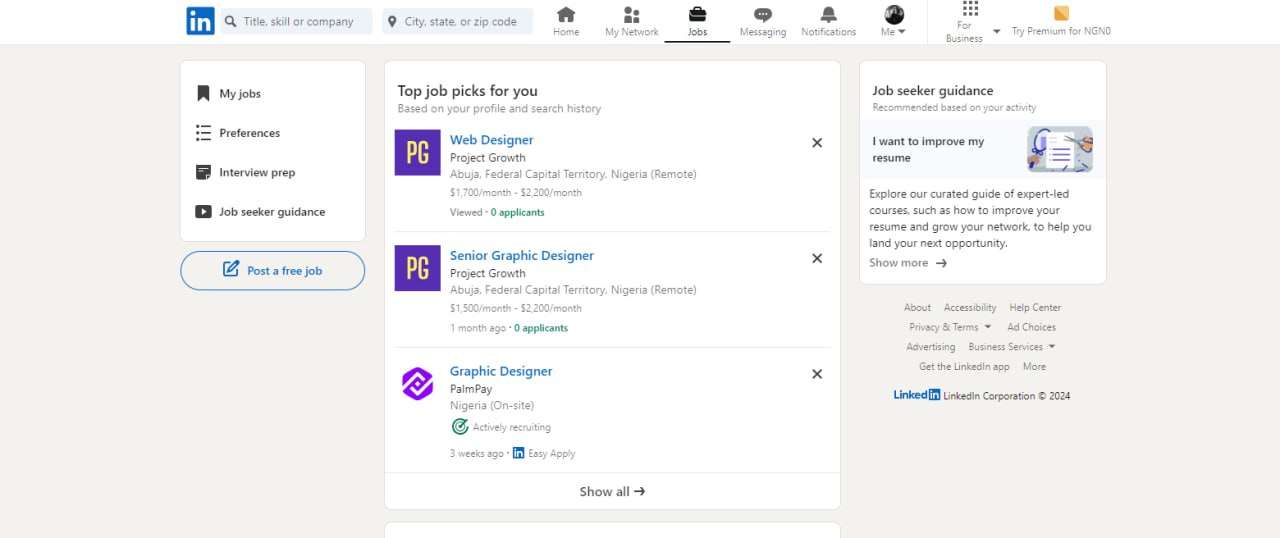
You can do this by searching international job boards and websites, eg, using international job platforms like Indeed, ZipRecruiter, and LinkedIn. These sites will assist you in hiring international workers and reaching a large audience with your job vacancies.
Partnering with recruitment agencies specializing in international hiring is a good idea If you’re new to hiring internationally or looking to ease the process. These agencies have the expertise and resources to navigate the complexities of hiring international workers.
4. Assess Applicants and Hold Interviews
After you’ve identified possible candidates, the next step is to analyze them and conduct interviews.
Review resumes and applications to gain a better understanding of the candidate’s abilities, experience, and qualifications. Also, look for evidence of the precise talents and knowledge you mentioned in step 2 and assess how well the candidate’s experience matches the job requirements.
You should also evaluate the candidate’s qualifications and work history in addition to resumes and applications. This should involve examining the candidate’s accomplishments and professional advancement as well as confirming references and credentials.
5. Offer a Job and Handle the Visa Procedure
The next step is to extend a job offer to the candidate who meets your preferred qualifications and is a fit for your organization.
It’s important to specify all the details of the employment, such as the position’s responsibilities, pay scale, perks, and start date, when extending an offer of employment to an international candidate.
Additionally, you will need to go over these terms with the candidate, taking into account things like variances in cost of living and moving costs. You will need to sponsor the candidate for a visa or work permit if they decide to accept the job offer.
This means submitting an application to the appropriate immigration authorities, supporting paperwork, and payment of any costs that may be necessary. You can get assistance from an EOR with the application or information about the procedure. (I’ll give you a clear understanding of an EOR below).
After that, the candidate might find the immigration procedure challenging and demanding. As an HR you can help candidates by giving them information, helping with paperwork, and providing resources or support when needed.
6. Integration and Onboarding
The final step is to onboard the person and help them integrate into your company. You must be ready for the employee’s arrival before they come, this means planning their workspace, securing accommodation and transportation, and getting any required supplies or equipment ready.
An orientation program can also assist the new employee in becoming acquainted with their surroundings, learning about their position and responsibilities, and getting to know the company more
After the orientation, please continue to support the employee as they settle into their new role. This could involve appointing a mentor or buddy, providing language or cultural training, and supplying resources for living and working in the new nation.
Remember that facilitating an employee’s integration is a long-term commitment that is important to their success and pleasure.
For Off-site International Employees
1. Define Your Needs
Clearly define the precise skills, experience, and credentials needed for the position. Be aware of adopting inclusive language and avoiding cultural references that may not appeal to a global audience.
Determine whether the role is suitable for a remote work environment, also consider the level of collaboration required, the availability of appropriate tools and software, and the significance of real-time communication.
2. Prepare Your Infrastructure
Ensure that you have the necessary technology infrastructure to enable flawless remote collaboration. It is advisable to invest in video conferencing technologies, project management software, and secure communication routes to enable effective cross-border collaboration.
Define your preferred communication means (email, instant messaging platforms), response time expectations, and best practices for working across time zones
3. Source Top Talent
Use online platforms specializing in connecting companies with international talent. These platforms allow you to target specific regions and skill sets. Explore platforms catering to remote workers, they often host profiles of skilled individuals seeking remote work opportunities.
You can also encourage your existing team to leverage their networks and recommend qualified international candidates.
4. The Interview Process
Use video conferencing platforms like Zoom to conduct interviews with international candidates, this allows you to assess not just qualifications but also communication style and cultural fit.
Prepare a set of structured interview questions that go deep into the candidate’s skills and experience as outlined in the job description.
Lastly, be mindful of time zone differences when scheduling interviews. Offer flexible scheduling options to accommodate both parties.
5. Selection and Onboarding
Focus on evaluating the candidate’s demonstrable skills and experience as they align with the defined requirements of the role.
Develop a comprehensive virtual onboarding program that integrates the new employee into your company culture, introduces them to team members, and equips them with the tools and resources necessary to succeed in their role.
6. Building Team Cohesion
Schedule regular video calls to maintain open communication and build rapport with your remote worker. This allows for informal interaction beyond project-related discussions.
Organize virtual team-building activities to foster collaboration, team spirit, and a sense of belonging within the remote team. Many online platforms are offering engaging virtual team-building experiences.
Also, encourage open communication and information sharing within your team. Create a culture where employees feel comfortable voicing their opinions and concerns.
Top Services to Use for Hiring International Employees
1. Deel

Deel is a comprehensive HR management tool developed for worldwide teams. You’ll have all of the HR tools you need in one location to properly recruit, onboard, handle taxes, and pay your worldwide workforce.
Features:
- Full coverage with over 100 local entities and visa support.
- Bulk payment feature for different types of workers, including direct employees and international contractors, with over 15 global payment options.
- Onboarding can take place five minutes after the offer letter.
2. Multiplier

Multiplier serves as your legal employer in the countries you intend to hire from. This EOR solution allows you to employ from over 150 countries and pay remote workers in over 120 currencies while adhering to local labor and tax rules.
Features:
- Pay your whole international staff with a single monthly invoice in the currency you prefer.
- Manage taxes, allowances, bonuses, time off, costs, timesheets, social contributions, and regulatory deductions for over 150 countries from a single location.
- The monthly price scheme is transparent, with no hidden charges. Plans for the freelancer payment solution start at $40 per month, while the staff hiring solution costs $400 per month.
3. Papaya Global

Papaya Global has a user-friendly platform as well as rapid and prompt customer assistance, making it another popular choice for employers. It offers modern SaaS software simplifies accuracy, speed, security, and reporting.
Features:
- Papaya Global helps you manage your global EOR, people, and payments from one place.
- Seamless pre-sales and implementation processes with fast response times.
- Fixed and transparent pricing model helping you plan your expenses and costs in advance.
4. Rippling
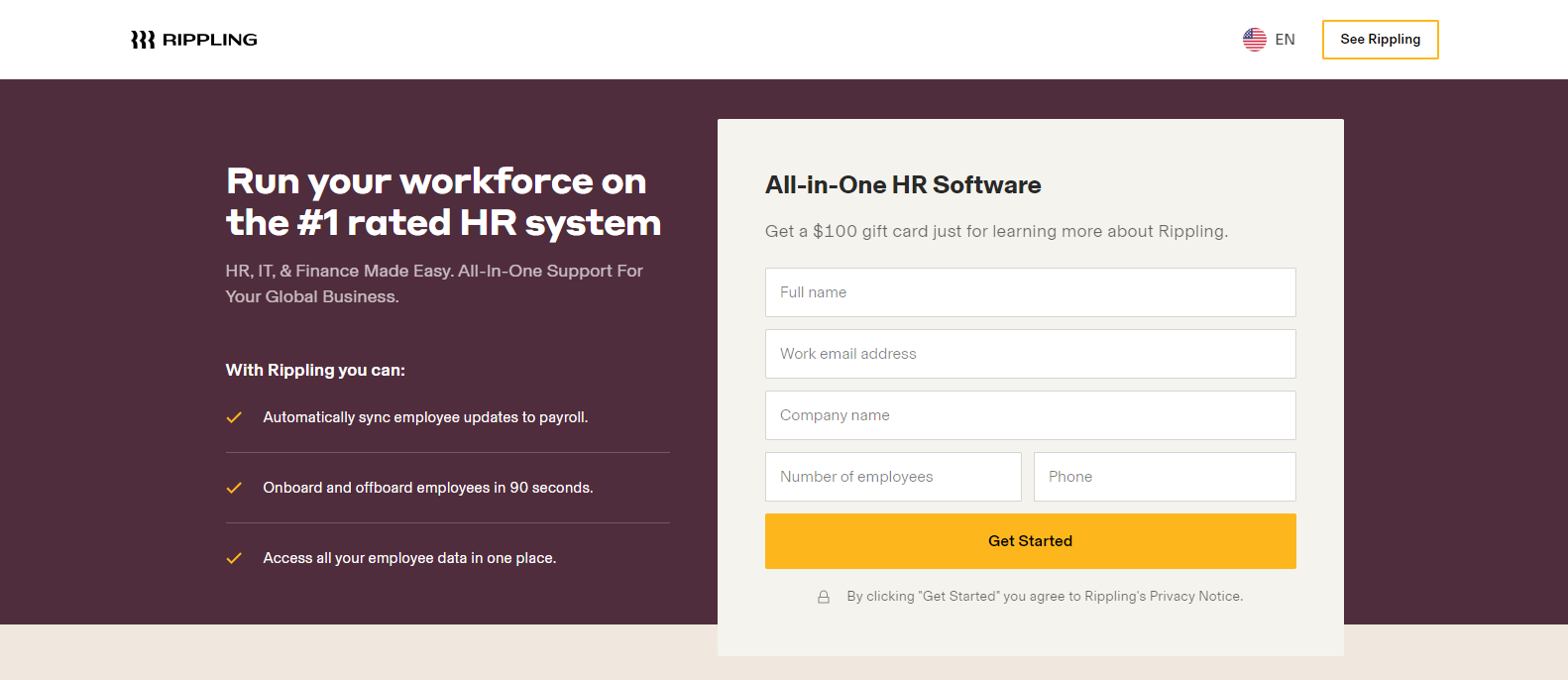
Rippling has made headlines as a global EOR solution. You can use it to provide new employees with everything they require, including device access, to pay employees with no lag time, to replace various HR, payroll, and compliance systems with a single program, and much more.
Features:
- Easy user experience courtesy of the intuitive and easy-to-understand interface, set-up guide, rich features, and built-in customer support.
- Seamless payments for your international team without needing to wait on bank transfers or conversions.
- Build custom workflows for automation and notifications of administrative tasks.
5. Velocity Global

Velocity Global delivers several global HR solutions, including Employer of Record and multi-country payroll. Its country coverage is extensive, and compliance management is strong, making it the best choice for hiring international employees.
Features:
- Employment of Record services in 185+ countries.
- Quick onboarding process and trackable documentation process.
- A digital platform for onboarding and payments with built-in compliance tools.
- Multi-country payroll feature with flexible payment solutions.
How to Hire an International Employee with Global Employment Solutions
Through several channels, the Global Employment Organization (GEO) assists companies worldwide in employing international workers. The creation of a legal entity and an Employer of Record solution (EOR) are the two most popular options. Below, we go over each of the possibilities;
Establishing a legal entity
For businesses that want to have a long-term or permanent presence in a new country and have some international employees, establishing a legal entity overseas, such as a subsidiary company, is the best solution. This enables a full business presence in an international location, including the capacity for the company to enter into contracts and do agreements abroad.
It should be noted that forming an entity can be expensive and time-consuming. It necessitates an awareness of the tax and labor laws applicable to the country of expansion. It also necessitates the registration of a firm with the appropriate tax and social security agencies.
Despite this, forming an entity is the most effective way to secure long-term stability in an international market.
Although having an entity imposes all legal responsibilities on a company, many existing tasks, such as payroll and human resource administration, can be outsourced to a specialist third party. This guarantees that payroll is accurately administered and that all taxes and benefits are handled correctly.
A third-party provider usually employs accounting and legal professionals who are well-versed in all aspects of local labor legislation.
International Employer of Record
Many businesses looking to hire employees require a cost-effective and quick employment option. It is profitable to work with an Employer of Record service.
Under this model, a global employment organization acts as the legal employer of a company’s international employees via a local entity.
They absorb employee liability while overseeing the administrative side of employment, such as payroll, benefits, and workforce management.
At the same time, the client company maintains control over its local and international personnel, directing their day-to-day operations. This allows a company to avoid establishing an entity while maintaining an active workforce in its new market.
Partnering with an Employer of Record service is a great method to test a new market before making a permanent shift. For example, the company can send a small team to determine whether its products and services have a ready market. If this is the case, the business may choose to form an entity and assume full obligation for its employees.
Bottom Line
Hiring international employees can be a game-changer for your company’s growth in a range of contexts.
This article has equipped you with the foundational knowledge to confidently embark on your journey. Remember, valuable resources like Employer of Record (EOR) services can further streamline the process, taking care of legal and administrative burdens while you focus on attracting top talent.
Embrace the potential of a global workforce. With careful planning, the right resources, and a commitment to diversity, you can transform your team into a powerhouse of innovation.


 A better way to manage projects and clients for freelancers
 Get through busy days like a breeze with Reclaim.ai