
Ever watched MrBeast videos?
On the surface, there’s nothing particularly unique about his content. Plenty of content creators make entertainment and giveaway videos, and many use a similar concept.
Yet millions of people follow him, and he is one of the most influential figures in the creator economy.
Why is he so popular? What makes him stand out?
It can’t be luck alone or the money he pours into his production. There has to be something he is doing differently that other content creators aren’t.
Today, we are going to study MrBeast’s playbook to figure out what makes him the biggest YouTuber.
Let me give a little bit of background first.
Who Is MrBeast?

MrBeast, aka Jimmy Donaldson, is a famous American YouTuber and a businessman.
He’s well-known for his cinematic videos, high-stakes challenges, and philanthropic activities.
MrBeast is one of the most influential figures in the creator economy because of the way he approaches content creation.
Instead of relying on daily short content, he focuses on fewer but large-scale videos centered around simple concepts, like Last To Leave The Circle Wins $50,000.
He combines those simple concepts with high-quality production, playing with the stakes to keep the audience invested.
This approach makes his videos not only attention-grabbing but also highly engaging.
Where Did He Start?
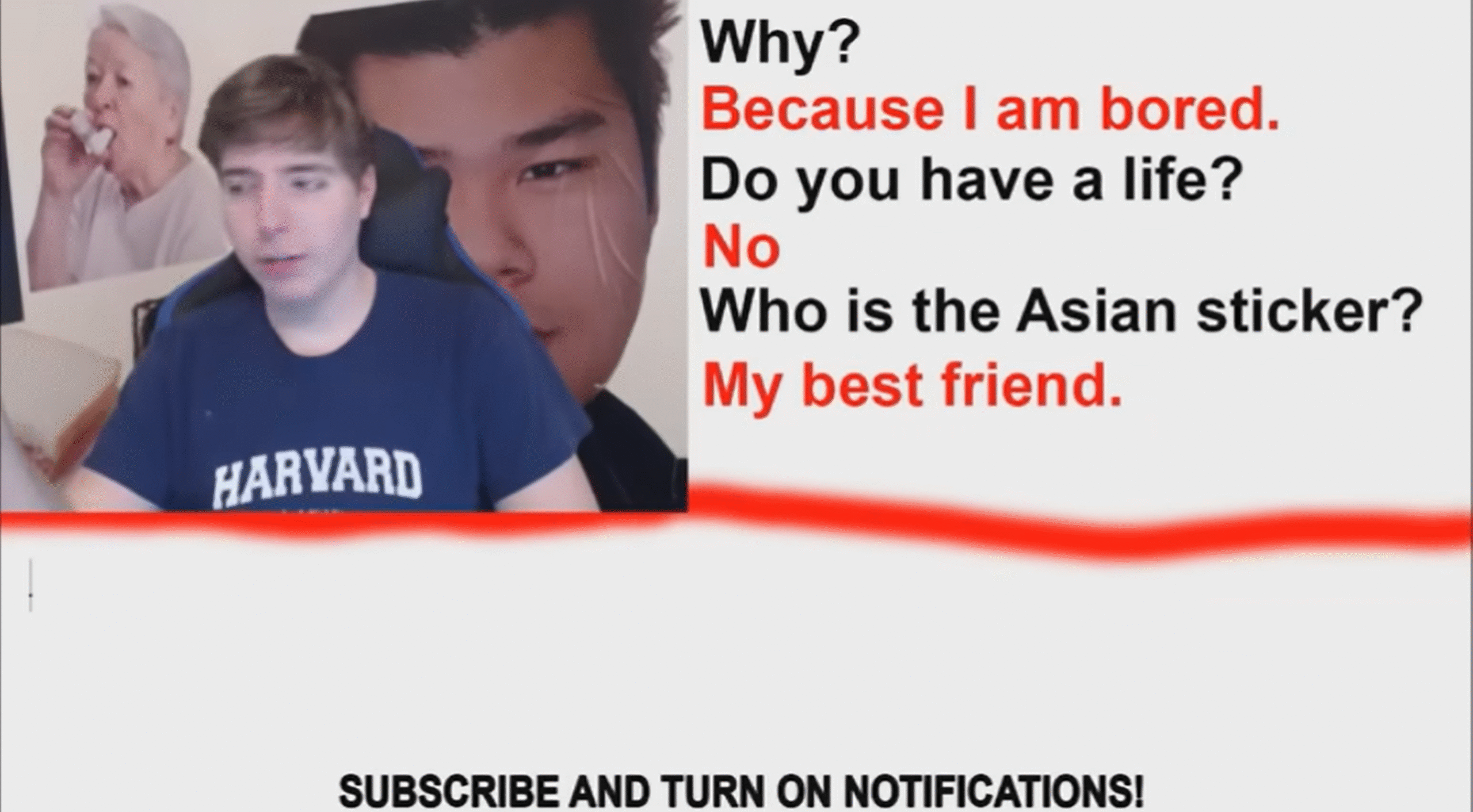
Jimmy Donaldson started his journey on YouTube in 2012.
He was just a 13-year-old kid at that time and created content that mostly appealed to people his age, such as gaming commentaries, critiques, and funny compilations.
Back then, he had a simple goal—get viewership.
His first upload was about a Facebook game called “Battle Pirates.”
Some hacker messed up his game, and to get back at him, MrBeast filmed it and posted it to get the hacker banned.
The plan worked, and the hacker was indeed banned. But MrBeast also received something he hadn’t expected—5000 views. That made him realize the potential of content creation, and he decided to start his YouTube channel.
He didn’t receive much traction in the early years because his videos lacked the production quality and strong hook that generally keep people engaged. But instead of quitting, he spent 5 years experimenting with different formats, posting random stuff, and studying viewer behavior to unlock the key to viral content.
His breakthrough came in 2017 when one of his videos, “I Counted To 100,000,” went viral because of its unusual concept. It was such an absurd idea that people clicked and shared the video out of curiosity.
That video became the turning point in MrBeast’s journey to fame.
He took that formula and applied it in his subsequent videos, constantly refining it to drive maximum conversions.
With each new video, he increased the stakes and gained more popularity.
Today he owns a billion-dollar media company and entertains over 500 million subscribers on YouTube and TikTok.
What Is MrBeast’s Philosophy?
MrBeast’s core philosophy is simple: make the best YouTube videos possible.
This may seem like an obvious goal, but he has built his entire career around that philosophy.
Just pick any of his YouTube content, and you’ll find it reflected in every single video.
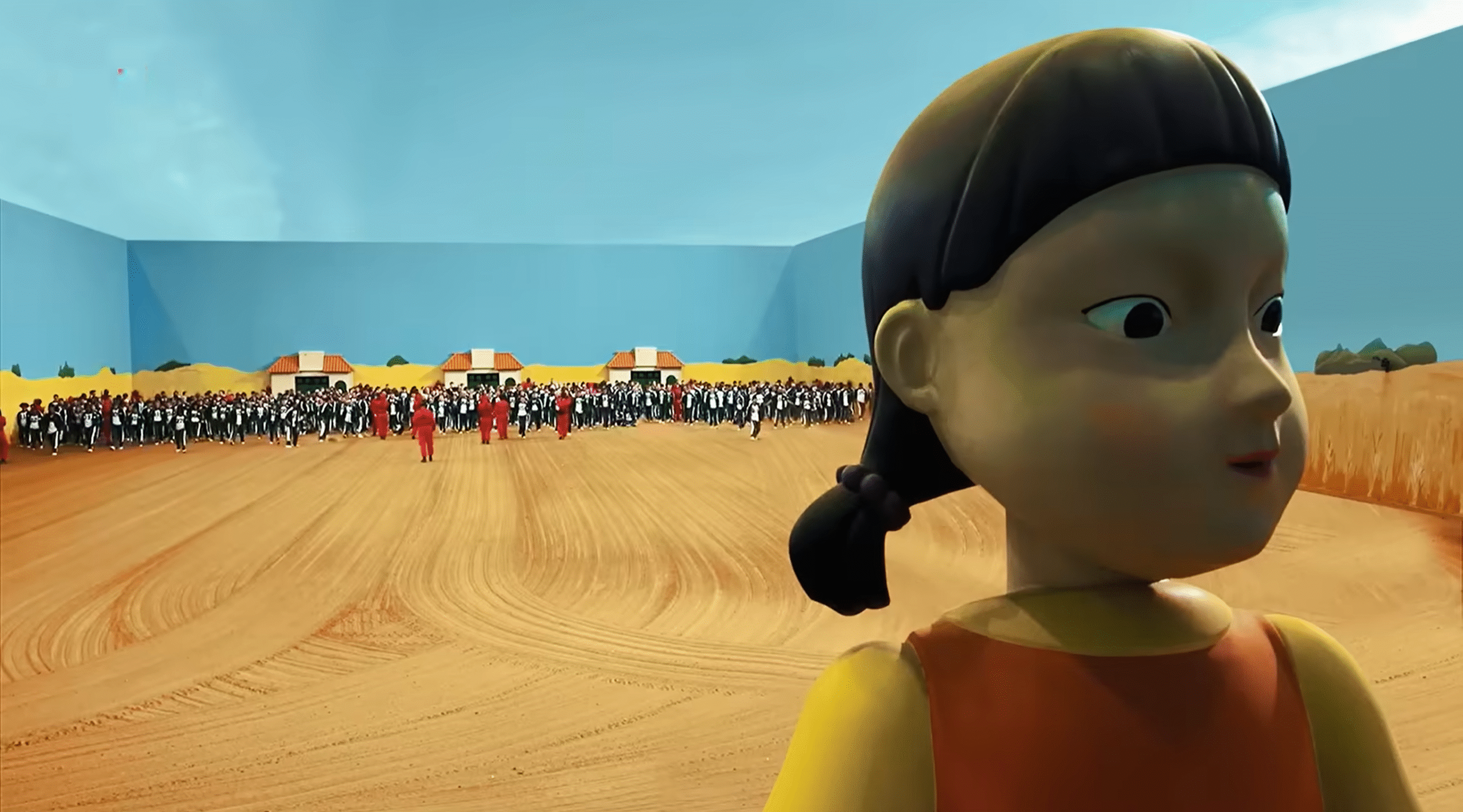
Whether it’s recreating the Squad Game or giving away a massive cash prize for a challenge, his goal is always the same: how to entertain the audience.
If you study his online appearances, he has repeatedly shared that point in his interviews, podcasts, and other YouTube appearances.
In one of his podcast interviews with Lex Fridman, he said, “If you want subscribers, views, and money, it all comes back to making great videos. So instead of focusing on all these arbitrary vanity metrics, I just kind of focus on the one thing that gets me all that, which is to make good videos.”
That being said, how do you use MrBeast’s philosophy in practice?
Having a clear philosophy is just a small part of the equation. It only gives you a direction. It doesn’t tell you how to do it.
You need a playbook to implement your core philosophy and build a pattern to follow.
MrBeast’s Playbook
Below, I have shared the three main components that make up MrBeast’s playbook.
Together, they explain how he creates great videos and has built a successful content business without relying on specialized expertise.
1. Reinvestment

When I started researching MrBeast’s content, the first thought that crossed my mind was that the guy must be incredibly wealthy to spend that kind of money on content.
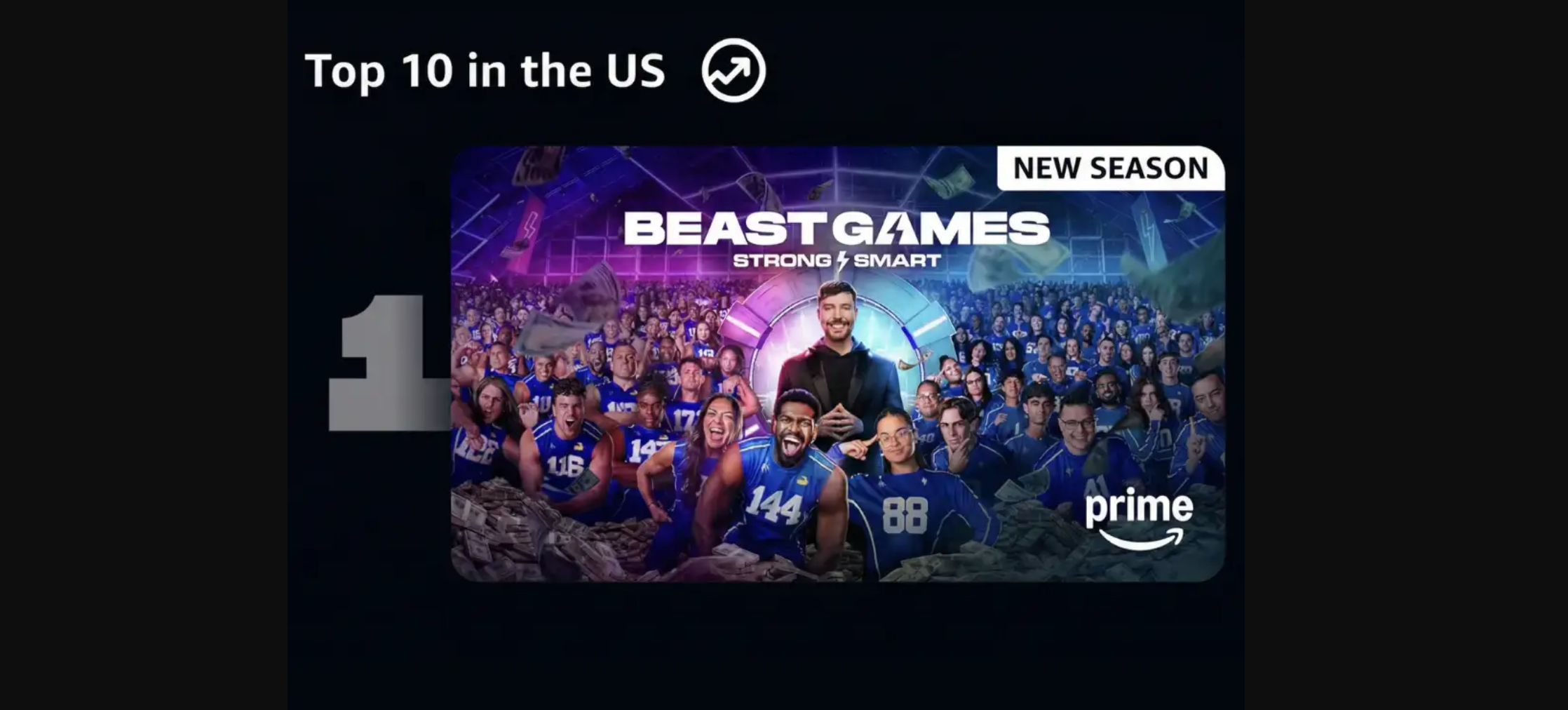
I mean, have you seen his reality series, Beast Games? Producing something on that scale must’ve cost him millions of dollars.
The reality, however, couldn’t be more different.
Like many teenage creators, Jimmy Donaldson started his channel with low-budget gaming content like Harry Potter Mod in Minecraft and How to Get Unlimited Diamonds.
He didn’t have a professional studio or a proper setup. He recorded most of his early videos from his home using basic equipment. The only thing he had going on in his favor was time—and he made the most of it.
So, how did he go from making low-budget videos from his home to producing some of the most expensive content on YouTube?
MrBeast’s first rule of business is reinvestment. It is what gave him the budget to steadily increase the quality and scale of his production.
How?
For most content creators, YouTube is a source of personal income. They publish videos, earn money through ads and sponsorships, and then use those earnings to pay themselves.
MrBeast chose a completely different path.
Instead of pocketing his YouTube revenues and focusing on short-term profits, he reinvested almost all of it back into his channel. He bought better equipment, hired editors and producers, and increased the prize money,
In one of his interviews, he said, “My mindset was just, reinvest everything I make. Every time I got a paycheck, that was the month’s budget.”—Interview with Casey Neistat.
Over time, this approach became a part of his production strategy, giving him the funding to create blockbuster-level videos.
2. Obsession
Most people watch viral videos for entertainment. A video appeared on your timeline; you enjoyed it, and then you scrolled to the next one. Right?
Content creators don’t do that.
Their mind automatically picks up small details people never notice.
What made people click the video? What’s the hook? How’s the storytelling? How’s the video editing done? They study every aspect of the content to learn something new they can apply to their own videos.
MrBeast takes that mindset to the next level.
To him, each part of the content is like a piece of a puzzle. Thumbnail, opening hook, pacing, and editing—they all have to fit together to create the best possible video. His team analyzes each second of the video clip to measure engagement and use that data to improve future videos.
One of his team members once shared insights into their behind-the-scenes activities, giving us a glimpse into MrBeast’s thought process.
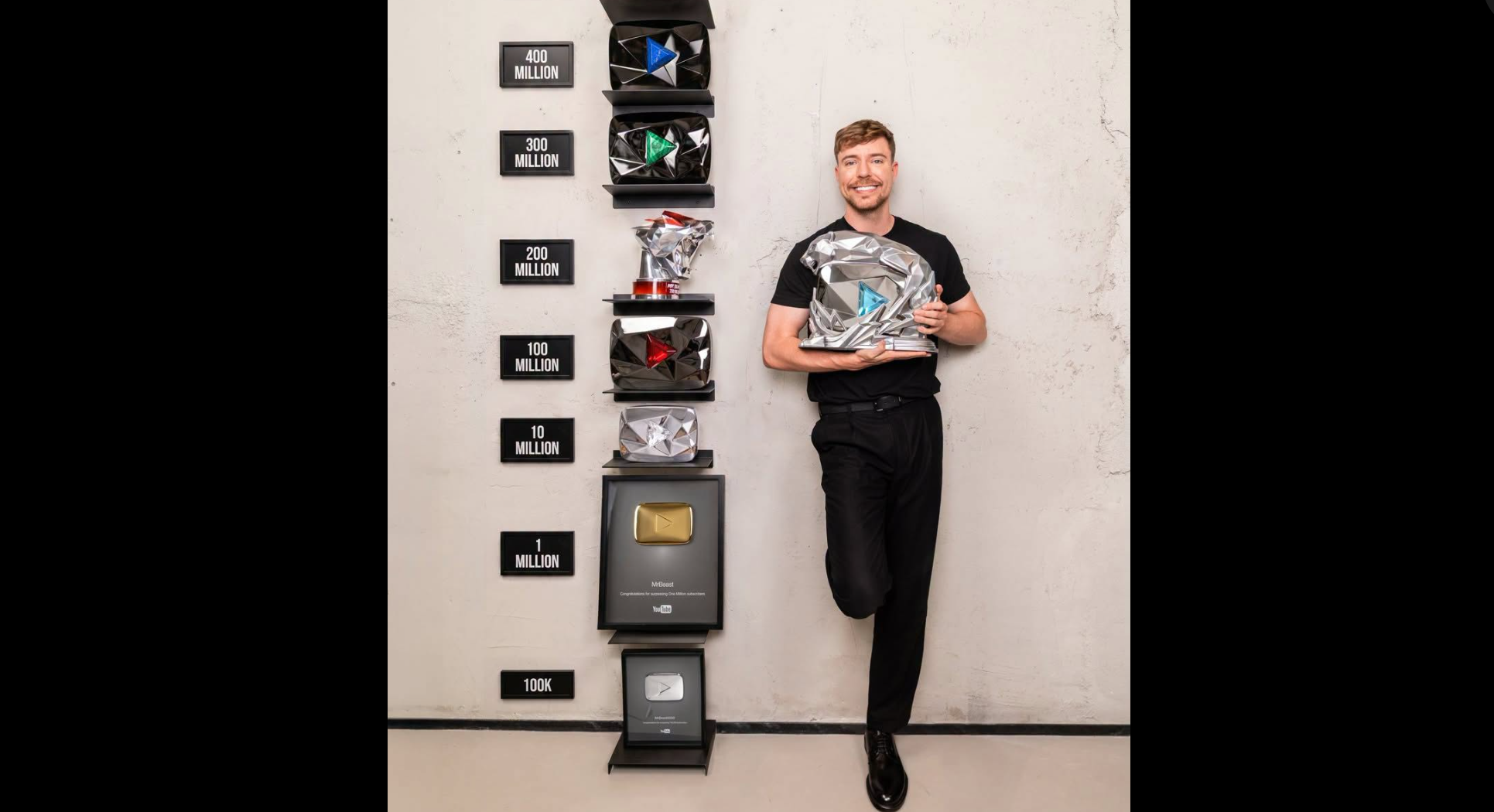
He said MrBeast often asks them to create around 20 to 50 thumbnail versions of one clip and run A/B testing before publishing the video. He believed that even subtle changes in the expressions could improve the viewership.
“There are many things that we do, like changing the shirt colors, putting Jimmy in a suit, putting him in a shirt with the MrBeast logo, a different color of a house; we change so many different aspects so we end up having hundreds of variations.
I was the one fighting internally for a mouth open, and Jimmy kept talking to me and saying like “I think we should close the mouth”, and then as soon as A/B testing came out, he was like “let’s run the test”, and I was like “awesome, let’s do it”, and it was funny because the change was insane, because we did it for about 30 videos, and all 30 of them with the closed mouth actually led to higher watch time. It was a small difference in overall time, but 30 in a row gave us the signal.”
This obsession with minute details is what separates MrBeast from other content creators.
3. Creator Economy Machine
Reinvestment gives MrBeast better videos, and obsession makes those videos extraordinary. But neither explains “how” he turned a small YouTube channel into a massive business empire.
That answer lies in what I call MrBeast’s creator economy machine.
A creator economy machine is basically a flywheel business model where you monetize your content, reinvest the profits to create better content, grow your audience, and build multiple revenue streams.
Each cycle funds the next, helping you scale your influence and revenue.
MrBeast follows the same business model.
He started with a single direction—his YouTube channel. As his audience grew and he began generating revenue through AdSense and sponsorships, he realized his YouTube and other social media channels could be the main distribution channel for his other business.
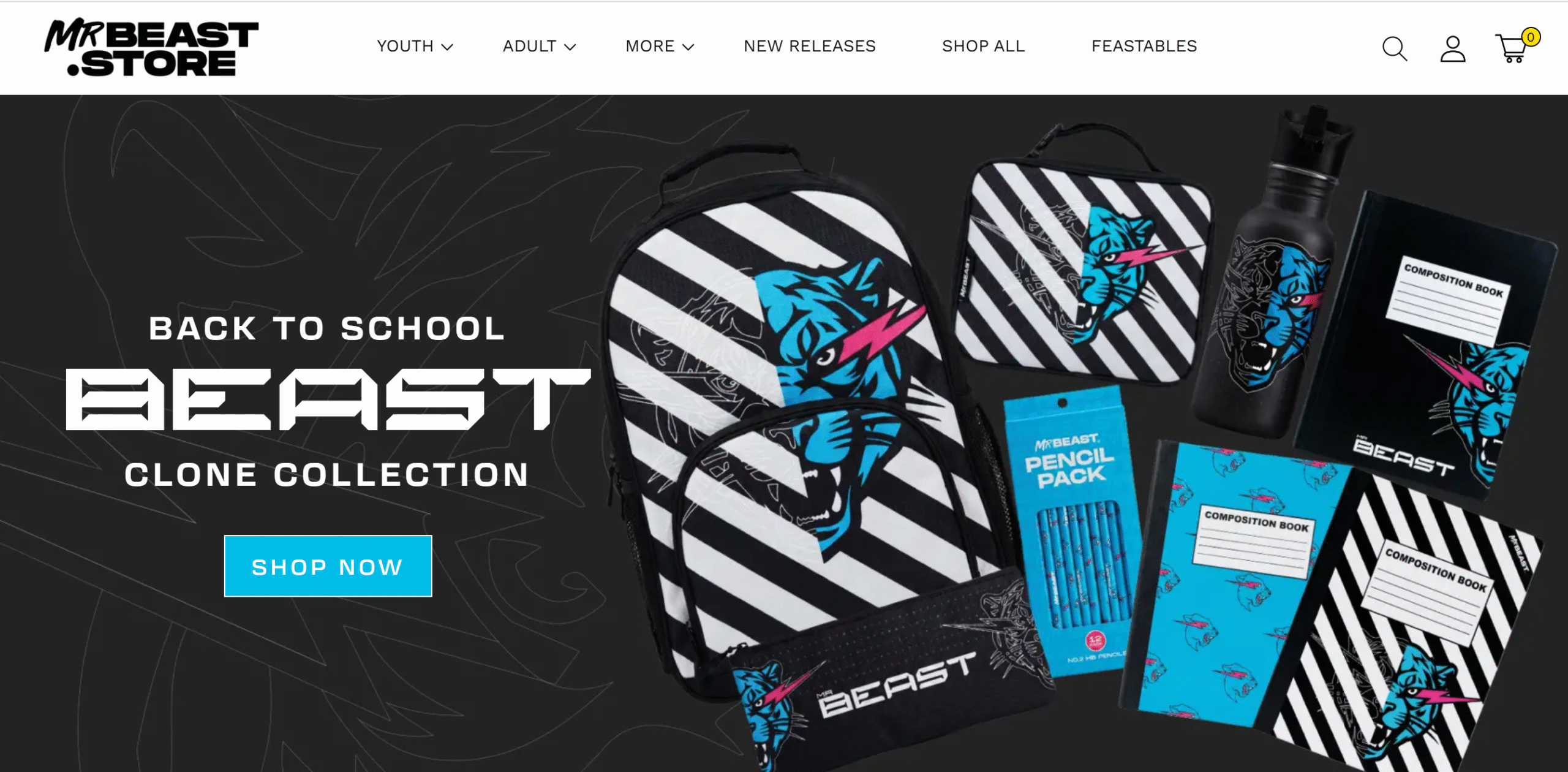
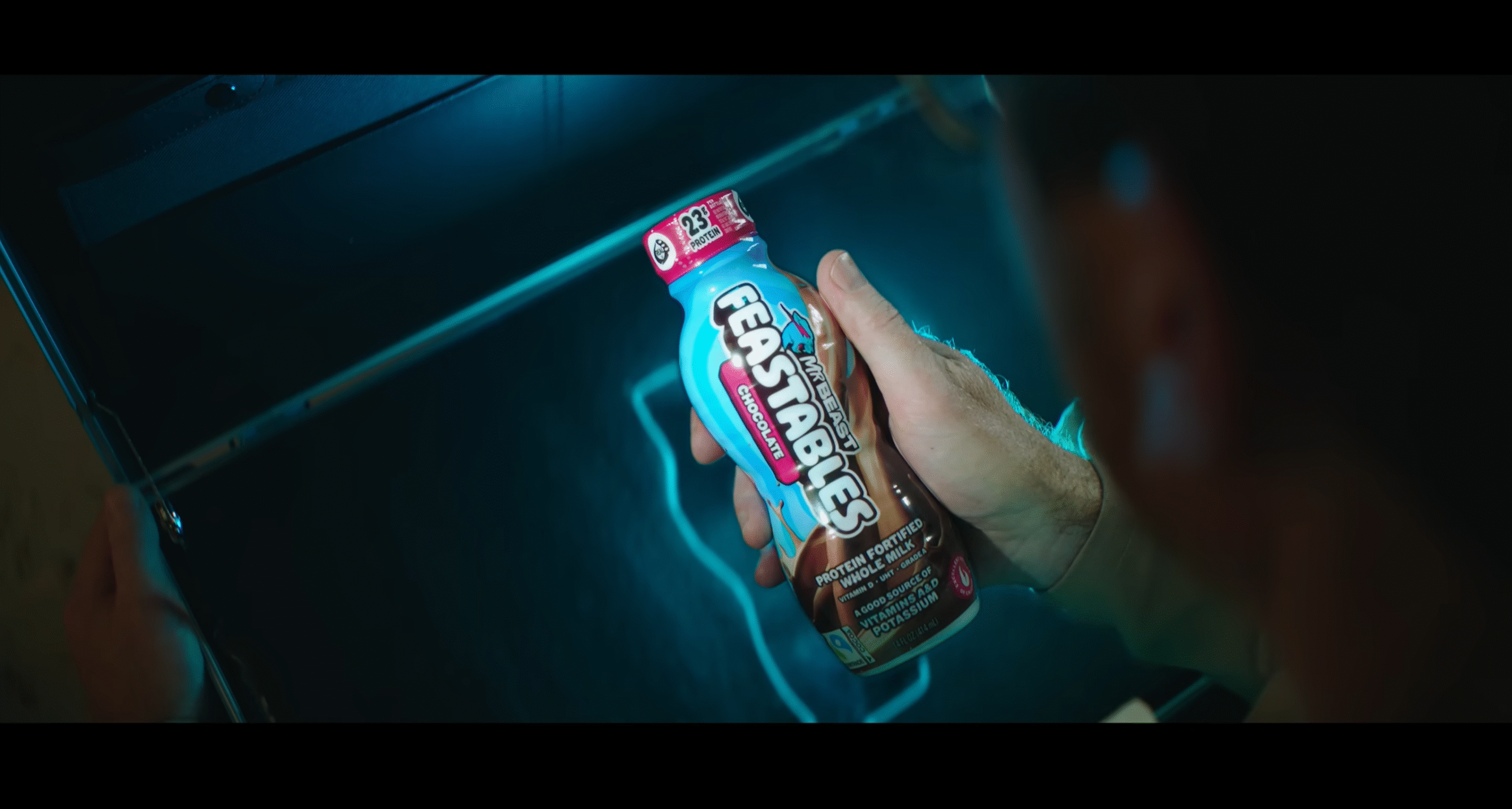
In 2022, he launched his consumer business Feasibles—chocolate bars— and, in his classic MrBeast style, gamified the promotion to increase brand awareness.
In 2024, he introduced Beast Games and Lunchly, followed by other small launches, including a software product, ViewStates.
Each business supports the other, yet it stands on its own.
Today, MrBeast earns over $80 million through different revenue streams and has an estimated net worth of around $2.6 billion.
Lessons For Content Creators
MrBeast’s playbook isn’t about becoming a famous content creator.
It’s about building a successful business.
At its core, the playbook answers three burning questions every entrepreneur eventually faces;
- How do you fund your business?
- How do you make a great product?
- How do you build a self-sustaining business?
How Do You Fund Your Business?

Use Your Retained Earnings.
One of the major mistakes some content creators make is thinking of content creation as a part-time business.
This mindset limits their opportunities, keeping them focused on short-term gain instead of long-term growth.
By pouring a major portion of your earnings back into your business, you’d have working capital to invest without relying solely on loans.
This isn’t just MrBeast’s formula. It’s a pretty common financial strategy in the corporate world.
According to the Federal Reserve’s Small Business Credit Survey, almost 64% of small businesses rely on retained earnings as their primary funding source, making it the most common way of growing your business.
MrBeast followed the same principle. Instead of treating YouTube as his source of income, he used it as his source of capital, growing his small setup into a million-dollar business.
How Do You Build A Great Product?
Learn and Improve Constantly.
The biggest advantage MrBeast has over others isn’t talent or funds. It’s his willingness to learn and improve.
So rather than asking, “How do I make more money?” he asks, “How do I make my product better?” He knows that if a product keeps improving, revenue will eventually grow.
This principle applies to almost all businesses.
Companies that have a strong feedback loop continuously improve their products and services and eventually outperform competitors.
Remember, great products aren’t built overnight. They are the result of repeated experiments, countless refinements, and an obsession with getting details right.
How Do You Build A Self-Sustaining Business?
Create Multiple Revenue Streams.
You must have heard the famous idiom, “never put all your eggs in one basket.”
For content creators, this saying is a constant reminder that depending on a single revenue stream is incredibly risky.
A simple algorithm change, a shift in trend, or a mistake can cause a loss of your income—and it has happened before.
In 2017, when an investigation from The Times revealed that ads were appearing alongside extremist content, major brands like Honda and L’Oreal withdrew their ads from YouTube. As a result, content creators who relied on ad revenue faced immense losses.
Lesson? Build enough revenue streams that losing one doesn’t threaten your business.
Conclusion
MrBeast is a classic example of how consistency and continuous improvement can build an extraordinary business.
His success didn’t come because of his viral content or extravagant giveaways. While they, no doubt, helped him gain influence, they are not the key to his success.
It’s the result of years of discipline and a relentless pursuit of excellence.
He treats every video as an opportunity rather than a source of income and has built a business model that helps him distribute the financial risk.
These principles formed the foundation of his playbook, transforming his small YouTube channel into a massive creator business.
That is the key to his success.


 A better way to manage projects and clients for freelancers
 Get through busy days like a breeze with Reclaim.ai