
Managing your startup’s finances might be like sailing through a hurricane without a map that includes all the important information. You’re balancing scarce resources, making important daily choices, and looking for methods to maximize every dollar without sacrificing your goals.
Imagine having a good financial expert by your side who is aware of the particular difficulties involved in growing a company. A fractional CFO provides the necessary experience, customized to your company’s unique requirements, without the high cost associated with hiring a full-time executive.
With their extensive experience, they offer valuable insights and tactical advice to help you overcome obstacles and take advantage of chances.
You will have a complete understanding of how a fractional CFO can support the expansion and stability of your company by the end of this article.
What Are Fractional CFOs?
Imagine you’re leading your startup through the thrilling yet challenging phases of growth. You need professional financial advice, but employing a full-time CFO is an extravagance your budget cannot support. This is where the fractional CFO steps in, providing you with the high-caliber financial expertise you need without the full-time commitment.
A fractional CFO is a seasoned financial expert who works with many organizations on a part-time basis to provide strategic, operational, and financial advice. Consider them an on-demand financial strategist. They provide the level of experience and insight you’d expect from a full-time CFO, but with the flexibility and affordability that startups and small enterprises require.
Fractional CFOs work on a contract basis to deliver specialized financial plans that meet your specific business demands. This methodology is not only cost-effective, but it also provides access to a wide range of industry knowledge and skills. Fractional CFOs often have vast expertise across multiple industries, which allows them to assist you in navigating the complicated financial landscapes you encounter.
Leveraging the experience of a fractional CFO allows you to make educated decisions, optimize your processes, and put your company on a road to long-term growth. They become an integral member of your team, driving financial performance and providing insights that enable you to achieve your business objectives.
In short, a fractional CFO is your financial powerhouse, offering the strategic insight and operational expertise required to succeed in today’s competitive market.

Key Responsibilities of Fractional CFOs
Running a business is not an easy job. With the hustle of everyday operations and the ongoing drive for expansion, having a seasoned financial professional on your side can make all the difference. This is where a fractional CFO comes in, offering expert financial advice without the full-time commitment.
Let’s look at the role of a fractional CFO and how they can transform your business:
1. Financial Planning and Analysis
Consider hiring a financial expert who can create thorough budgets, forecasts, and financial models specific to your company’s needs, that is what a fractional CFO does.
They go deeply into your financial data, allowing you to make informed decisions and plan for future growth.
They also ensure that your company stays on track to meet its financial objectives by creating thorough financial strategies. But they don’t stop there; they constantly monitor and update these plans, reacting to shifting market conditions and your changing business requirements.
2. Cash Flow Management
Liquidity is the lifeblood of any business and a fractional CFO guarantees that your cash flow is stable. They carefully monitor and manage cash flow into and out of your company, ensuring financial stability and avoiding cash shortages.
Effective cash flow management is crucial for your daily operations, and a fractional CFO can help you execute cash flow optimization measures. This means you’ll always have enough money to meet operational expenses, invest in development prospects, and deal with unforeseen charges.
3. Strategic Planning
When it comes to major decisions like mergers, acquisitions, and expansions, having a strategic financial advisor is essential. A fractional CFO can help you manage these complex deals and guarantee your expansion ambitions are financially viable.
They actively participate in strategic planning sessions, ensuring that financial goals are aligned with overall business objectives. Their experience assists you in identifying prospective possibilities and risks, allowing you to make decisions that will lead to long-term success.
4. Risk Management
Risk management is important in today’s unpredictable business environment. A fractional CFO recognizes and manages financial risks, so shielding your company from potential pitfalls.
They evaluate the financial effects of various situations, including market swings, regulatory changes, and operational disruptions, and devise risk-management solutions. With a strong risk management strategy in place, your company is better positioned to weather uncertainty and continue to thrive.
5. Reporting
Transparency and compliance are essential in any business. A fractional CFO generates accurate and timely financial accounts and reports, keeping you informed and in compliance with regulatory regulations.
These reports provide a comprehensive picture of your company’s financial health, which builds trust with investors, lenders, and other stakeholders. A fractional CFO improves communication and collaboration by ensuring that your financial reporting is up to grade, allowing you to create closer relationships with important stakeholders.
Having a fractional CFO on your team entails more than just managing numbers; it is about strategic collaboration. They bring a lot of knowledge and a fresh perspective, allowing you to make informed decisions and confidently negotiate your business’s financial intricacies. With their help, you can focus on what you’re best at.
Pros of Hiring Fractional CFOs
As a business owner, you’re constantly searching for methods to increase productivity and spur expansion. A big part of the journey is figuring out financial complexity.
Let’s examine the advantages of working with a fractional CFO and how they can change your company’s approach:
1. Cost-Effective Expertise
Imagine having access to top-level financial expertise without the expensive cost of a full-time CFO. With a fractional CFO, you get exactly that. They offer smart financial advice targeted to your specific needs, allowing you to stay under budget.
The cost reductions can be significant, freeing up resources to reinvest in critical areas such as marketing, product development, and customer support. It’s like getting your financial cake and eating it too.
2. Flexibility
One of the most notable advantages of a fractional CFO is flexibility. Do you need financial oversight for a few hours a week or several days a month? Not an issue. A fractional CFO is tailored to your individual business needs, ensuring that you receive the assistance you require exactly when you need it.
This adaptable strategy ensures that you do not pay for more than you need, making it a great alternative for startups and small businesses with fluctuating demands.
3. Scalability
A fractional CFO provides financial oversight to ensure long-term growth. They guide you through the complexity of scaling, from acquiring finance and managing cash flow to increasing operational efficiency. With their skilled direction, you can reach your growth goals while keeping financial stability, ensuring that your firm thrives at all stages.
4. Diverse Experience
When you hire a fractional CFO, you gain access to a breadth of experience across multiple industries. This diversified background gives useful insights and new solutions to help you improve your financial planning and execution. They deliver best practices and new ideas suited to your specific business needs, allowing you to stay ahead of the curve in a competitive market.
5. Enhanced decision-making
Making informed decisions is important for moving your business forward. A fractional CFO provides you with high-level financial guidance that is tailored to your specific goals and financial situation. Their strategic insights assist you in identifying new opportunities, improving operational efficiency, and mitigating risks. By using their knowledge, you can make data-driven decisions that position your company for long-term success.
Hiring a fractional CFO is more than just adding financial experience, it’s about collaborating with someone who can help you realize your company’s full potential. They give you the strategic support you need to overcome financial obstacles, promote growth, and achieve your business goals. With a fractional CFO on your side, you can concentrate on what you do best: driving your company to new heights.
Cons of Hiring Fractional CFOs
1. Limited Availability
One of the main obstacles to employing a fractional CFO is their restricted availability. Because they divide their time between several clients, there may be times when they are unable to devote adequate attention to specific tasks or critical concerns.
This can be especially difficult during key times of a project or in the face of unexpected problems. Businesses must have contingency plans in place to handle such events and ensure business continuity.
2. Lack of Deep Organizational Understanding
A fractional CFO’s ability to provide strategic guidance is dependent on a thorough understanding of the company’s operations, culture, and goals. Without full-time immersion, a fractional CFO may have limited exposure to the company’s nuances, which may affect the effectiveness of their recommendations and decisions.
3. Potential for Misalignment
Misalignment can arise if expectations are not clearly defined or if the CFO’s understanding of the company’s goals is incomplete. To mitigate this risk, it’s essential to establish a clear scope of work, key performance indicators (KPIs), and regular communication channels. Regular check-ins and feedback sessions can help ensure that the fractional CFO’s efforts are aligned with the company’s strategic direction.
4. Security Concerns
Sharing sensitive financial information with an external consultant can raise concerns about data protection and confidentiality. It’s crucial to implement robust security measures to safeguard proprietary information.
5. Integration Challenges
One of the most significant challenges in leveraging a fractional CFO is seamlessly integrating them into the company culture. Building trust and rapport with existing teams can take time. It’s important to foster a welcoming and inclusive environment where the fractional CFO feels valued and respected.
When to Hire Fractional CFOs
Let’s look at the crucial instances when hiring a fractional CFO can help your business reach new heights.
1. Increased Financial Complexity
As your business grows, the financial body can become a maze of data, decisions, and rules. The complexities can quickly become overwhelming. A fractional CFO helps to streamline your financial operations, ensuring that your systems and processes are strong enough to support future development.
They add clarity to complexity by developing effective controls and providing the strategic oversight required to keep your company nimble and responsive to market fluctuations. With their help, you can concentrate on driving your business ahead rather than becoming lost in the financial maze.
2. Major financial events.
Are you planning an IPO, a merger, or a large investment round? These milestones are momentous, but they necessitate careful financial planning and execution. A fractional CFO provides the skills required to handle these important financial events. They will coach you through the entire process, from financial modeling and valuation to investor relations and regulatory compliance.
With their backing, you can confidently pursue these high-risk ventures, guaranteeing that they contribute to your company’s growth and success.
3. Rapid growth.
Rapid expansion is exciting, but it also presents financial concerns. Balancing growth and financial stability is critical. A fractional CFO assists you with managing these difficulties and ensuring that your company has the resources it requires to expand.
They seek funding sources, optimize cash flow, and implement long-term growth initiatives. This ensures that your business can scale efficiently while retaining financial health and growth momentum. With a fractional CFO, you can transform rapid expansion from a struggle to a well-managed success.
4. Strategic Financial Planning.
Sometimes your company requires strong financial strategies but cannot afford a full-time CFO. This is where a fractional CFO excels. They offer high-level planning and oversight, as well as the development and implementation of financial plans tailored to your company’s specific requirements.
A fractional CFO provides the strategic help you need to meet your objectives, from setting long-term financial goals to developing practical plans and tracking progress. Their thoughts and suggestions will help you create sustainable growth and stay ahead of the competition.
What to Look for in Fractional CFOs
What qualities should you look out for when selecting a fractional CFO? Let’s look at the essential characteristics that create a great fractional CFO and how they can help your business.
1. Industry Experience
Consider having a financial professional that understands your industry’s language well. A fractional CFO with a solid track record in your area can provide essential insights and a thorough understanding of your specific financial difficulties and prospects.
They’ve been there, done that, and can offer specialized advice and answers to your specific needs. Their industry knowledge enables them to strike the ground running, providing strategic assistance that is aligned with your business goals from the start.
2. Technical proficiency
Mastery of financial applications and instruments is essential. Your fractional CFO should be knowledgeable about the tools that your company uses for financial management and reporting. Their technical talents allow them to streamline procedures, improve accuracy, and increase efficiency.
This ensures that your financial processes are strong and capable of sustaining your expansion. A tech-savvy CFO can use these technologies to deliver real-time insights and make data-driven decisions.
3. Communication skills
Effective communication is the foundation of successful financial leadership. A fractional CFO must be able to convey difficult financial topics to non-finance team members in a way that is understandable and practical.
Their ability to translate technical jargon into simple insights ensures that all stakeholders get the same information. This fosters teamwork and ensures that your staff knows and aligns with your financial objectives, allowing them to make informed decisions that move the business ahead.
4. Strategic insight
Look for a CFO who can provide strategic counsel to assist you make decisions that are in line with your long-term objectives. Their insights can assist you in identifying growth prospects, optimizing operations, and mitigating hazards. By harnessing their strategic experience, you may negotiate the intricacies of corporate growth and achieve long-term success.
5. Adaptability
Whether your company is rapidly expanding, encountering new obstacles, or capitalizing on opportunities, your CFO should provide the appropriate level of support at the correct moment. This adaptability guarantees that you have a financial partner that can change their strategy to best serve your company, offering the specialized financial support you require to succeed.
Finding the ideal fractional CFO entails looking beyond the basics. You need someone with industry-specific knowledge, technical proficiency, excellent communication skills, strategic insight, and adaptability. By concentrating on these important characteristics, you can identify a fractional CFO who not only knows your company but also inspires it to new heights. With the appropriate CFO on your side, you’ll have the financial leadership you need to overcome obstacles, capture opportunities, and drive long-term success.
Tools For Every Fractional CFO
Fractional CFOs rely on different tools to effectively manage your financial health and drive strategic decision-making. Here are some key categories of tools:
1. Financial Planning and Analysis
Fractional CFOs rely on powerful tools to analyze financial data, forecast future trends, and make informed decisions. Here’s a closer look at essential tools in this category:
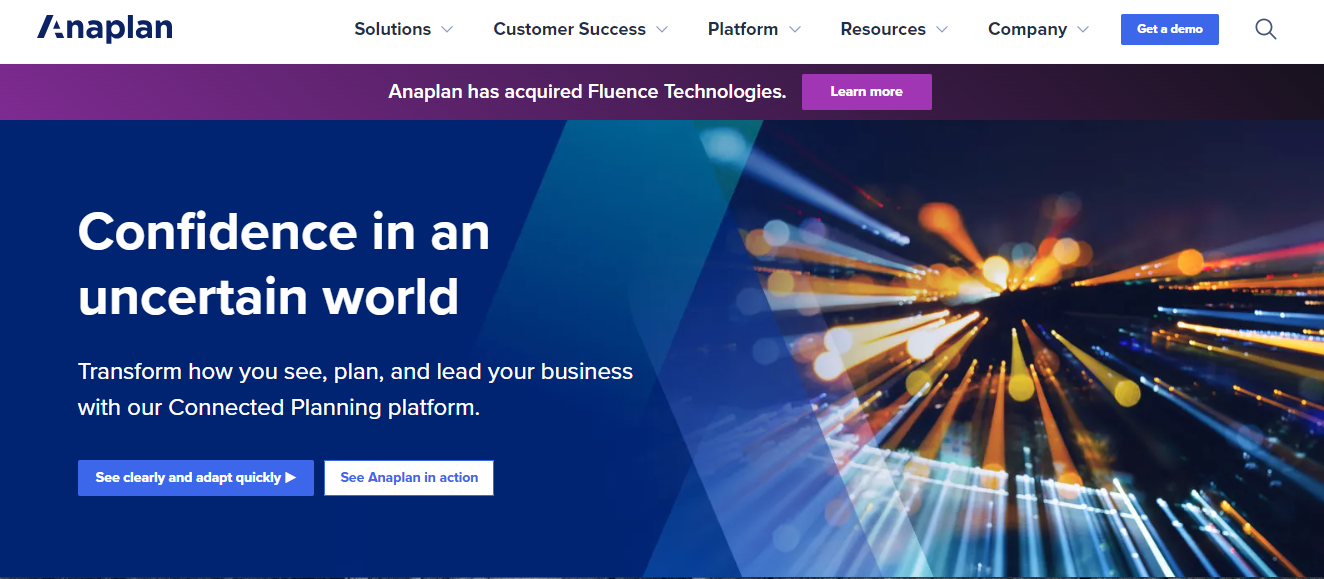
a) Financial Forecasting and Modeling Tools: Anaplan, Adaptive Planning, and Vena Solutions are industry-leading platforms that enable complex financial modeling, forecasting, and scenario planning. These tools help fractional CFOs analyze financial scenarios, assess risks, and make data-driven decisions.
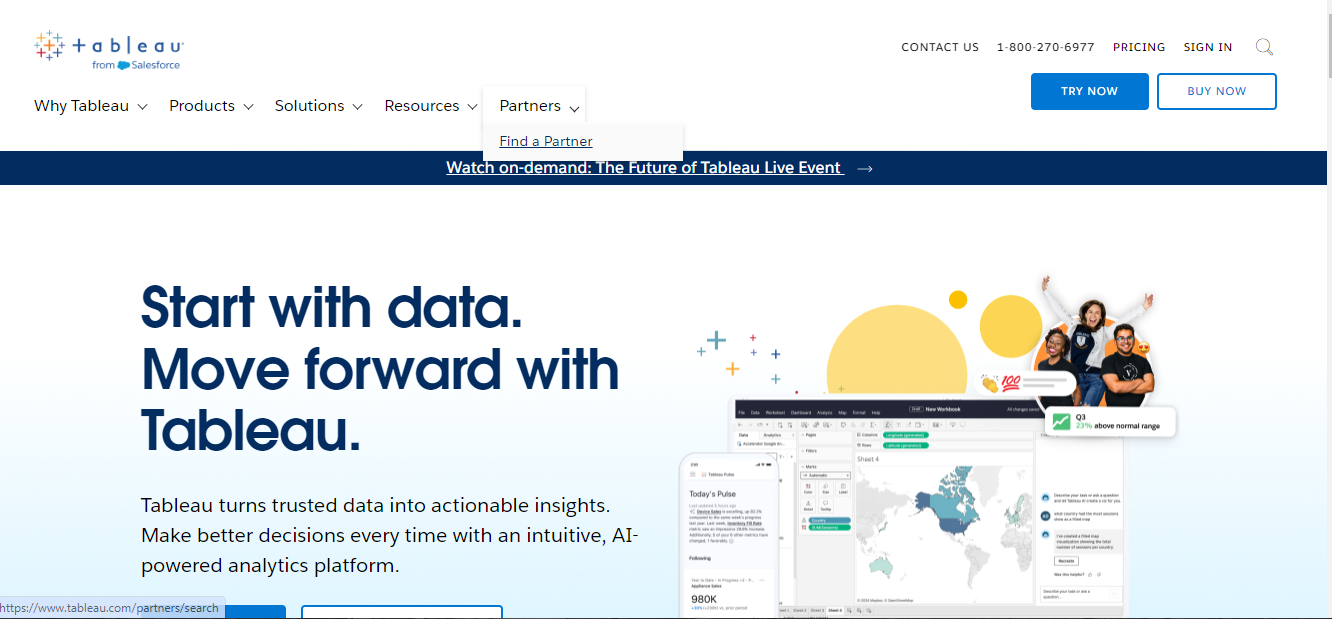
b) Data Visualization Tools: Tableau, Power BI, and Looker transform raw financial data into visually compelling insights. These tools enable fractional CFOs to create interactive dashboards, identify trends, and communicate complex financial information effectively to stakeholders.
2. Accounting and Bookkeeping
There must be accounting and bookkeeping tools to ensure accurate financial data and streamline their workflows. Here’s a closer look at essential tools in this category:

a) Accounting Software: QuickBooks, Xero, and Sage Intacct are popular choices for managing general ledger, accounts receivable, accounts payable, and payroll. These tools automate routine accounting tasks, provide real-time financial insights, and simplify compliance with accounting standards.
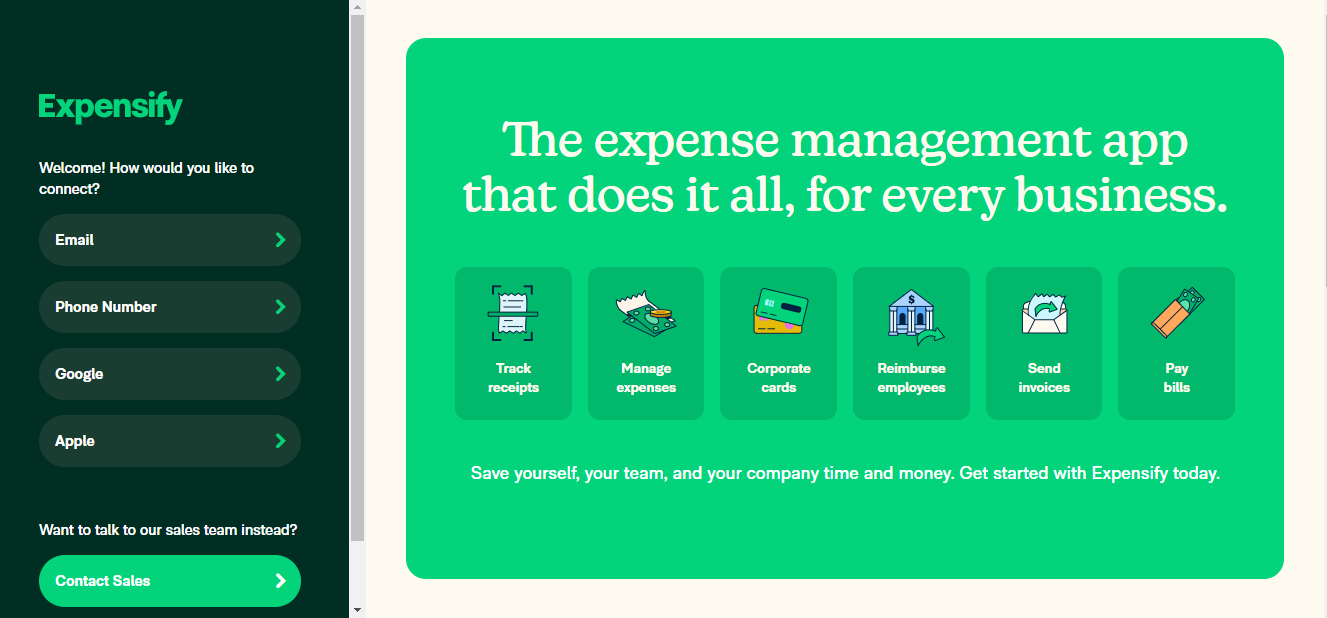
b) Expense Management Tools: Expensify and Concur streamline the expense tracking and reporting process. Employees can easily capture expenses, categorize them, and submit them for reimbursement. These tools integrate with accounting software, ensuring accurate and efficient expense management.
3. Data Security and Compliance
Fractional CFOs handle highly sensitive financial information, making data security a top priority. To ensure the protection of data, they rely on a range of security and compliance tools.
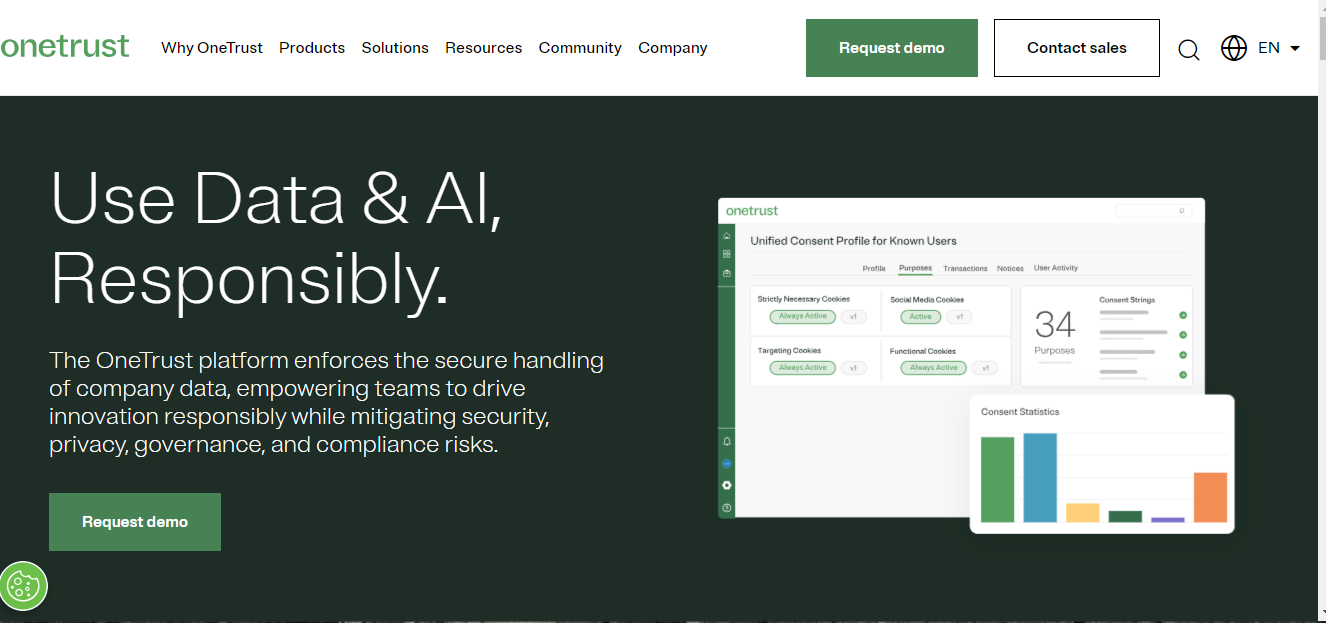
a) Compliance Software: OneTrust and TrustArc are examples of compliance software that help companies manage data privacy regulations like GDPR, CCPA, and HIPAA. These tools automate compliance tasks, assess risk, and ensure adherence to regulatory requirements.

b) Security Software: Norton, and Bitdefender are tools that are essential to protect against viruses, malware, and other malicious software that can compromise data integrity and security. Regularly updating these tools ensures they remain effective against the latest threats.
4. Additional Tools
a) CRM Software: Zoho CRM and many alternatives are options for managing client relationships, tracking sales pipelines, and automating marketing tasks. Fractional CFOs can use these tools to build stronger relationships with clients, identify new business opportunities, and track the financial impact of their efforts.
b) Document Management: Google Drive, Dropbox, or SharePoint provide secure cloud storage and collaboration features for managing documents, contracts, and financial records. Fractional CFOs can use these tools to streamline document sharing, ensure data accessibility, and maintain a centralized repository for important files.
c) Time Tracking: Toggl and its alternatives help fractional CFOs accurately track time spent on client projects. This data can be used for billing purposes, project management, and performance analysis.
How Much Do Fractional CFOs Make?
The average CFO today earns $441,100 annually which is more than most small and medium-sized businesses can afford, therefore many are turning to fractional CFOs.
Fractional CFOs often charge between $200 and $350 per hour. However, your quotes may differ depending on some criteria.
If only their hourly rate is considered, fractional CFOs can appear to be pricey. However, keep in mind that you are comparing this alternative to hiring a full-time CFO. From that perspective, the prospective savings are significant.
For example, you might only need a fractional CFO for 20 hours per month. If they charged $250, you’d pay roughly $60,000 each year. Your exact quote for fractional CFO services will be determined by the following three elements.
a) Experience: First, the fee will be determined by your fractional CFO’s experience. Professionals who have worked for huge corporations for many years charge more per hour than newer CFOs.
b) Location: The location could also influence how much a fractional CFO costs. For example, living costs in New York City are exceedingly expensive, and earnings tend to reflect this. If you want a fractional CFO based in New York City, you may have to pay more.
The good news is that many fractional CFO services are provided remotely. If you do not require a part-time CFO who can visit your offices in person, you can shop about until you find the best offer.
c) Industry: Finally, your company’s industry can affect how much it pays for a fractional CFO. A fractional CFO for a general SaaS firm may be less expensive than one who specializes in the mining industry. In general, the more industry-specific experience you require from a fractional CFO, the higher the cost will be.
Bottom Line
Fractional CFOs provide businesses with a cost-effective and flexible way to obtain high-level financial expertise. Fractional CFOs can help your company develop and succeed by providing strategic direction, financial analysis, and operational support.
When contemplating a Fractional CFO, thoroughly evaluate your organization’s needs, set clear expectations, and undertake a comprehensive search to discover the best fit. You are on track to reach your business goals by employing the skills of a fractional CFO.


 A better way to manage projects and clients for freelancers
 Get through busy days like a breeze with Reclaim.ai