
A solid business plan serves as a roadmap, outlining your strategies, operations, and financials.
It helps you get a clear picture of your vision, allowing you to show others what your business is and how it will make money for you.
If you are looking for some ideas, I have compiled a list of the 20 best real-life business plan examples.
I have included top brands from various industries and have summarized their business plans for your convenience.
1. Starbucks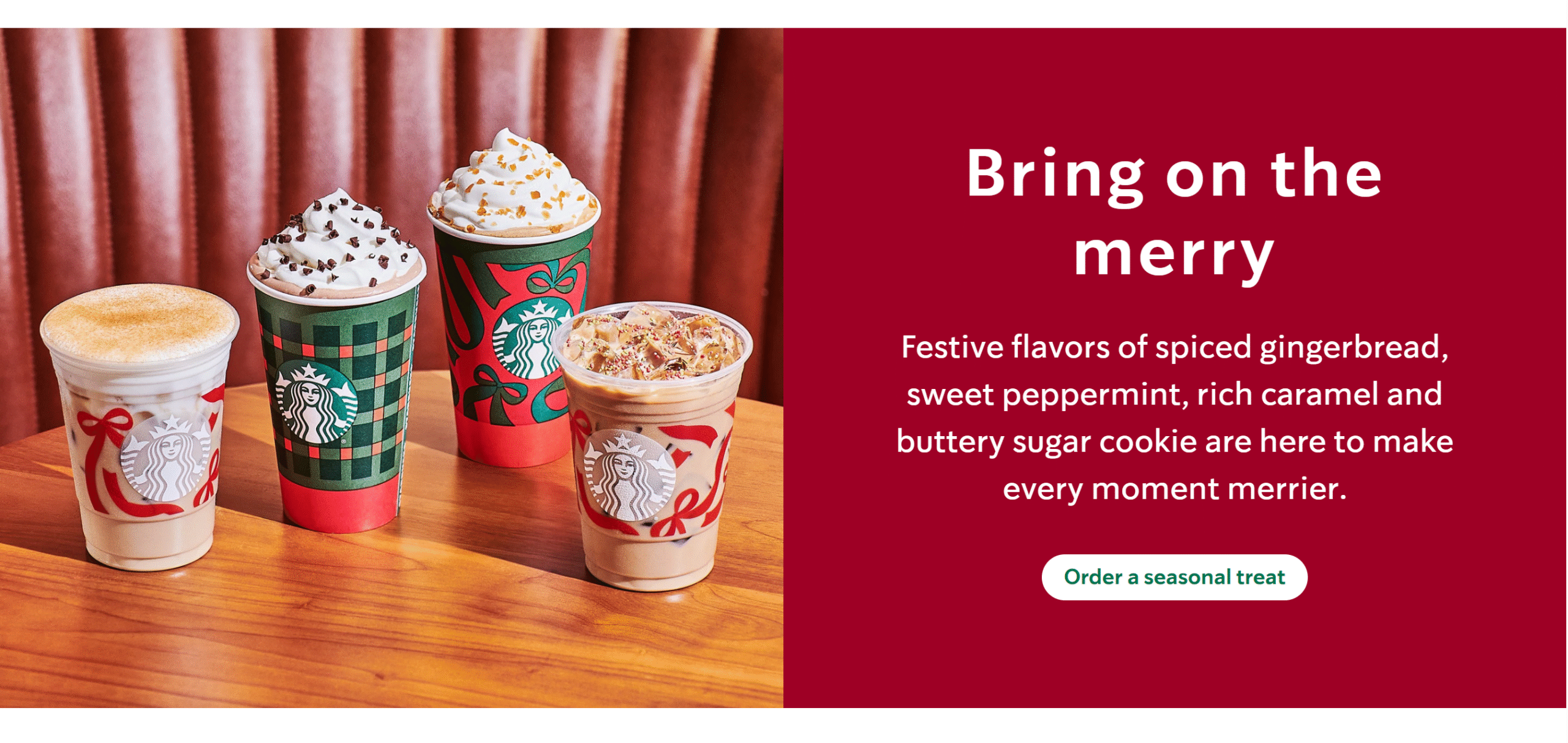 Starbucks is a multinational coffeehouse chain that offers a variety of premium hot and cold beverages.
It started its operations in 1971 and has gradually grown into a global brand, operating around 30k stores worldwide.
Starbucks’ earlier business plan focused primarily on roasted coffee beans. It sourced imported beans and roasted them in-house to reduce costs while retaining the quality.
As it expanded, Starbucks scaled its operations, shifting from a retailer to a coffeehouse.
It now sells personalized beverages at owned and licensed coffee houses, leveraging its store ambiance and operational efficiency to maintain its standard.
Business Plan
Purpose/Mission: Premium coffee experience.
Products and Services: Customizable coffee with innovative flavors.
Target Market: Middle and upper class between the ages of 18 and 70.
Marketing Strategy: Digital engagement, loyalty programs, seasonal campaigns, and store ambiance.
Distribution: Physical stores in high foot traffic areas.
Financial Strategy: Bulk material sourcing, premium prices, diverse product line, and global expansion.
2. Nike

Nike is a global sports footwear and equipment seller. It’s well-known for its iconic logo and premium footwear.
Nike holds a prominent position due to its powerful branding and product innovation.
The company produces high-performing products to compete against giant brands and utilizes endorsements and emotional marketing to strengthen its brand identity.
Its supply chain is also efficient. It outsources its manufacturing to contractors in different regions to distribute operational risks.
Business Plan
Purpose/Mission: Inspire athletes.
Products and Services: Sports footwear, accessories, equipment, and memberships.
Target Market: Athletes, sports enthusiasts, and youth.
Marketing Strategy: Branding, emotional marketing, endorsements, and sponsorships.
Distribution: Retail stores, factory outlets, and online stores.
Financial Strategy: Retail and wholesale, premium prices, and global expansion.
3. Apple
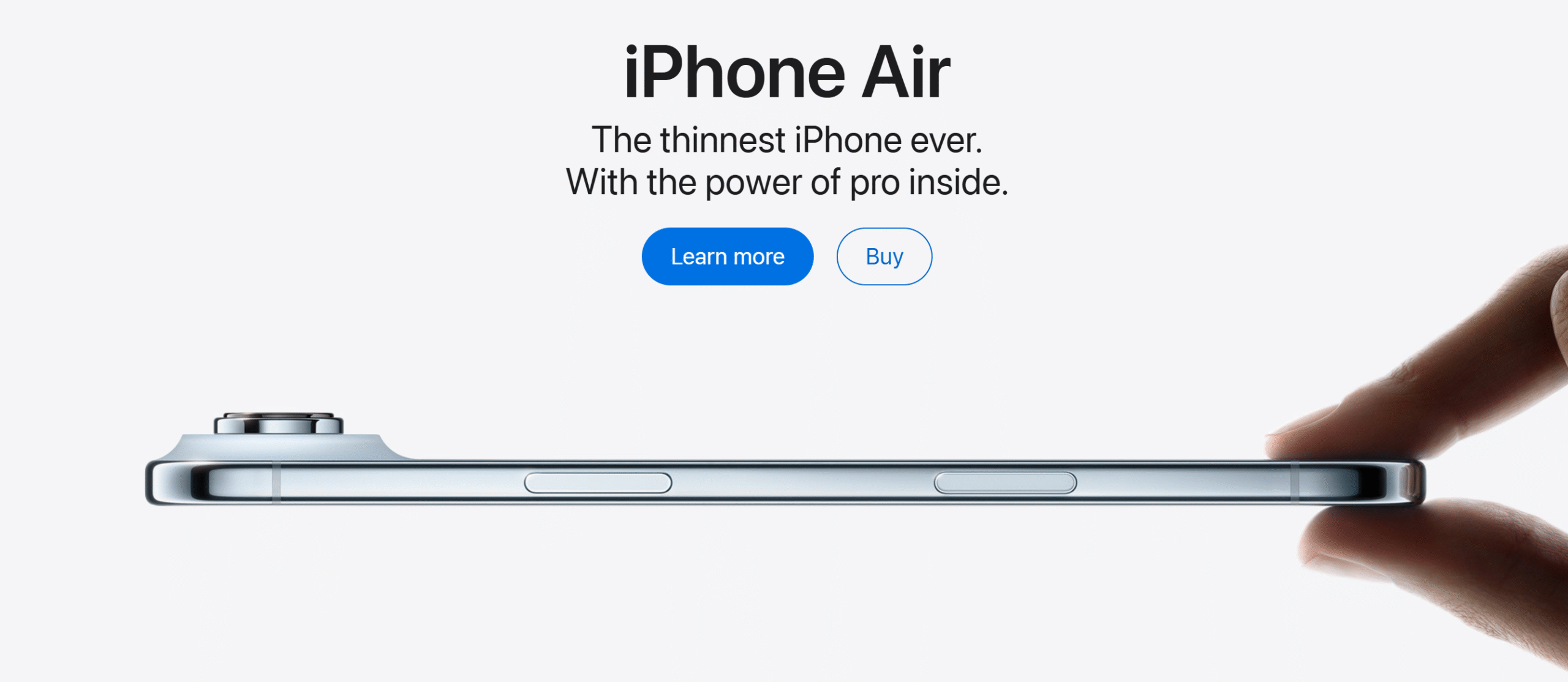
Apple is an American-based global tech company.
It sells premium smartphones, desktops, and software products worldwide.
Apple’s journey is truly inspiring. The company started out as an affordable computer seller and later did a 360° turn and revamped itself as a premium tech company.
How?
It shifted its focus from cost-efficiency to product innovation.
Apple developed minimalist designs to create a unique brand identity and built an in-house ecosystem to retain its customer base.
The strategy allowed Apple to break its previous image and expand its operations without competing with rivals.
Business Plan
Purpose/Mission: Innovative tech with the best user experience.
Products and Services: Macs, iPads, iPhones, Apple Watches, and side services.
Target Market: Tech-savvy and affluent individuals aged 18 to 45.
Marketing Strategy: Minimalist designs, product launch events, advertising, and store engagement.
Distribution: Retail stores, online sales, and third-party e-commerce platforms,
Financial Strategy: Premium hardware prices, subscription-based services, and global expansion.
4. Domino
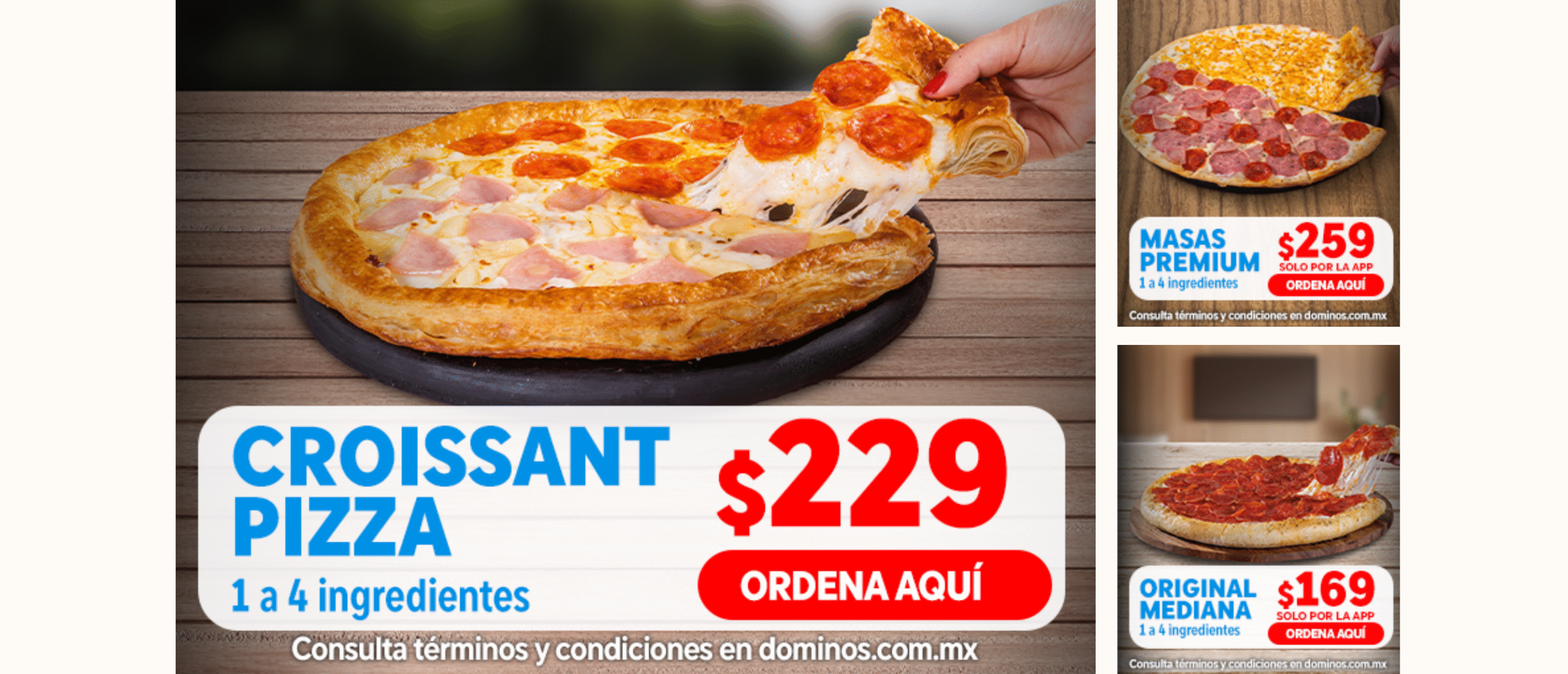
Domino’s is a multinational pizza company.
It runs a chain of restaurants in over 85 countries, generating billions annually.
Domino targets students and middle-class families with its affordable pricing and consistent quality.
It relies on cost-effective sourcing and operational efficiency to lower its pricing and uses in-house staff for fast deliveries.
This strategy has worked well for Domino’s and continues to bring more sales.
Business Plan
Purpose/Mission: The best pizza delivery service.
Products and Services: Pizza, sandwiches, sides, and desserts.
Target Market: Students, families, and young adults.
Marketing Strategy: Digital marketing, promotions, loyalty programs, pricing, and fast delivery.
Distribution: A centralized supply chain with physical and online outlets.
Financial Strategy: Global sales, local distribution, and franchise fees.
5. Louis Vuitton

Louis Vuitton is a French luxury fashion company. It’s famous for its signature leather bags and premium fashion accessories.
Louis Vuitton’s business plan is founded on its unique selling point, which is preserving tradition. To sell the idea, Louis Vuitton infuses traditional designs into its products and uses scarcity marketing to increase its product value.
The result? Its products represent both heritage and innovation, making them stand out and in high demand.
Louis Vuitton’s distribution strategy also plays a vital role in its success. The company attracts the elite class with exclusive store experiences and targets socially conscious individuals through e-commerce channels.
Business Plan
Purpose/Mission: Timeless fashion with high craftsmanship.
Products and Services: Luxury bags, shoes, accessories, and clothes.
Target Market: Upper-class, fashion-conscious mature women.
Marketing Strategy: Fashion shows, artist collaborations, scarcity, and retail experience.
Distribution: Boutiques, third-party retailers, and e-commerce
Financial Strategy: Diverse portfolio, premium prices, high-margin limited editions.
6. Toyota
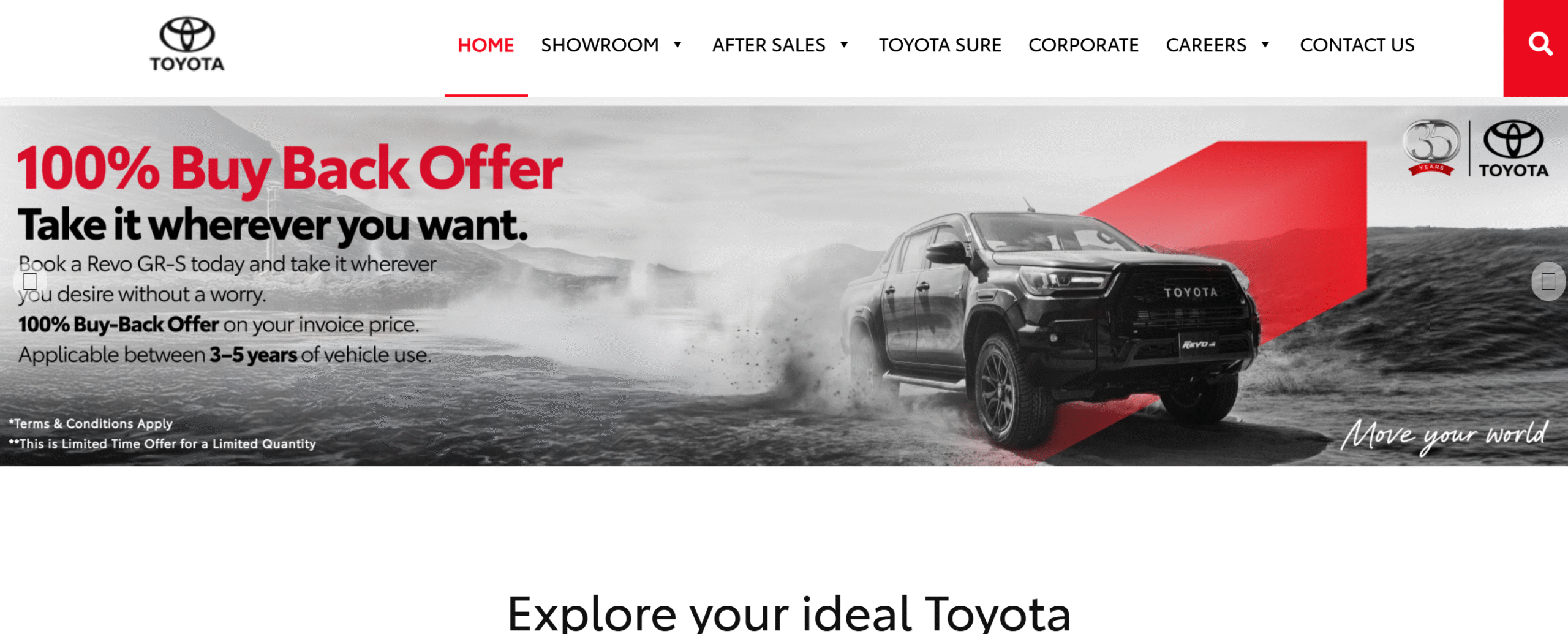
Toyota is a Japan-based automobile manufacturer, reputable for its durable and affordable vehicles.
It sells a variety of passenger and commercial automobiles worldwide that are low-maintenance and have high resale value.
Toyota initially began its operations as a loom manufacturer.
However, over the years, it changed its product line completely and evolved into a global automobile company.
There are two reasons behind Toyota’s successful business plan—product innovation and quality consistency.
The company had manufacturing expertise and production capabilities, enabling it to revamp its business and compete with leading vehicle brands.
Business Plan
Purpose/Mission: Reliable and safe vehicles.
Products and Services: Cars, SUVs, vans, trucks, and automotive parts.
Target Market: Middle to upper-middle-income group.
Marketing Strategy: Branding, advertisements, sponsorships, and campaigns.
Distribution: Authorized dealers and retailers.
Financial Strategy: Cost-effective production, diverse portfolio, and financial services.
7. Aveeno

Aveeno is a skin and hair care brand. It produces lotions, cleaners, body washes, and baby care products for sensitive skin.
Aveeno’s business plan involves producing niche products and making them accessible.
It chose a product that connected it to its parent company (Johnson & Johnson) but has unique selling points to stand on its own.
Then, it capitalized on J&J’s reputation to market its business and used its existing supply chain to manufacture and distribute the products.
Business Plan
Purpose/Mission: Skin wellness using natural but clinically proven ingredients.
Products and Services: Lotions, moisturizers, soaps, sunscreens, baby skincare.
Target Market: Mothers and people with sensitive skin.
Marketing Strategy: Digital media, clear brand message, credibility, and promotions.
Distribution: Supermarkets, drugstores, and online.
Financial Strategy: Diversification, premium prices, mass production, and global expansion.
8. Amazon
Amazon is one of the largest e-commerce marketplaces.
It provides an online shopping space to vendors and uses variety, convenience, and customer service to attract customers.
Amazon’s business plan is customer-focused. It created a user-friendly marketplace to simplify selling and buying and an in-house supply chain network to increase credibility.
Its revenue streams are also flexible, helping the company distribute its risk. It earns income from commission fees, private labels, B2B services, and memberships.
With diverse product lines, solid logistics, and multiple revenue streams, Amazon runs a successful business.
Business Plan
Purpose/Mission: A customer-centric platform.
Products and Services: Third-party e-commerce, AWS services, and memberships.
Target Market: Budget-conscious online shoppers, vendors, and businesses.
Marketing Strategy: SEO, advertisements, customer reviews, competitive prices, and memberships.
Distribution: Online stores with an in-house supply chain.
Financial Strategy: Multiple B2B and B2C revenue streams.
9. Etsy
Etsy is a niche version of Amazon.
It specifically targets artisans and creatives, offering a platform for buying and selling handmade items.
Etsy’s goal is to run a community-driven platform to fill the gap left by traditional e-commerce platforms.
To implement the idea, it created an online marketplace with an integrated payment and logistics system, delivering a seamless experience to both vendors and buyers.
Some of its revenue streams are listing fees, payment processing fees, and advertisements. Etsy has expanded its categories to scale the business but still applies strict policies to maintain its brand values.
Business Plan
Purpose: An e-commerce marketplace for creative goods.
Products and Services: Product listing, creative services, and advertising.
Target Market: Independent creators and consumers between 25 and 45.
Marketing Strategy: SEO, content marketing, advertisements, and campaigns.
Distribution: A digital platform with integrated payment and shipping.
Financial Strategy: Listing fees, transaction fees, payment processing charges, and ads.
10. Uber
Uber is an online ride-hailing company.
It provides a mobile app via which passengers can connect with drivers and commute.
Uber gained initial traction by positioning itself as an alternative to traditional taxi services. Luxury car renting is pretty common among the urban audience, and Uber capitalized on the trend by offering a convenient option.
The business plan was to invest in technology, connect with drivers to build a network, and use referrals to establish its operations.
The low startup cost allowed Uber to expand rapidly and generate multiple revenue streams.
Business Plan
Purpose: Hassle-free conveyance.
Products and Services: Rides, delivery, and logistics,
Target Market: Tech-savvy middle-class income group.
Marketing Strategy: Advertisements, in-app promotions, and partnerships.
Distribution: Online app.
Financial Strategy: Diverse product line and commission.
11. Doordash
DoorDash is an on-demand food delivery platform.
It brings restaurants, couriers, and customers to one place, offering a convenient place for ordering and delivering food.
DoorDash’s business plan is incredibly creative and lucrative.
It uses a three-way operation model, managing products and the supply chain without owning anything.
How?
The company partners with restaurants to offer products and hires independent drivers on a gig basis. Both parties bring their own assets, and DoorDash acts as a middleman, like Uber.
With this model, DoorDash takes cuts from all three parties to cover its overheads and generate profits.
Business Plan
Purpose: Reliable delivery service.
Products and Services: Food delivery, subscription, advertisements, and white label solutions.
Target Market: Restaurant owners, grocery stores, contractors, and consumers.
Marketing Strategy: In-app promotions, loyalty programs, partnerships, and advertising.
Distribution: Online app.
Financial Strategy: Commission, subscription fees, service fees, and ads.
12. Slack
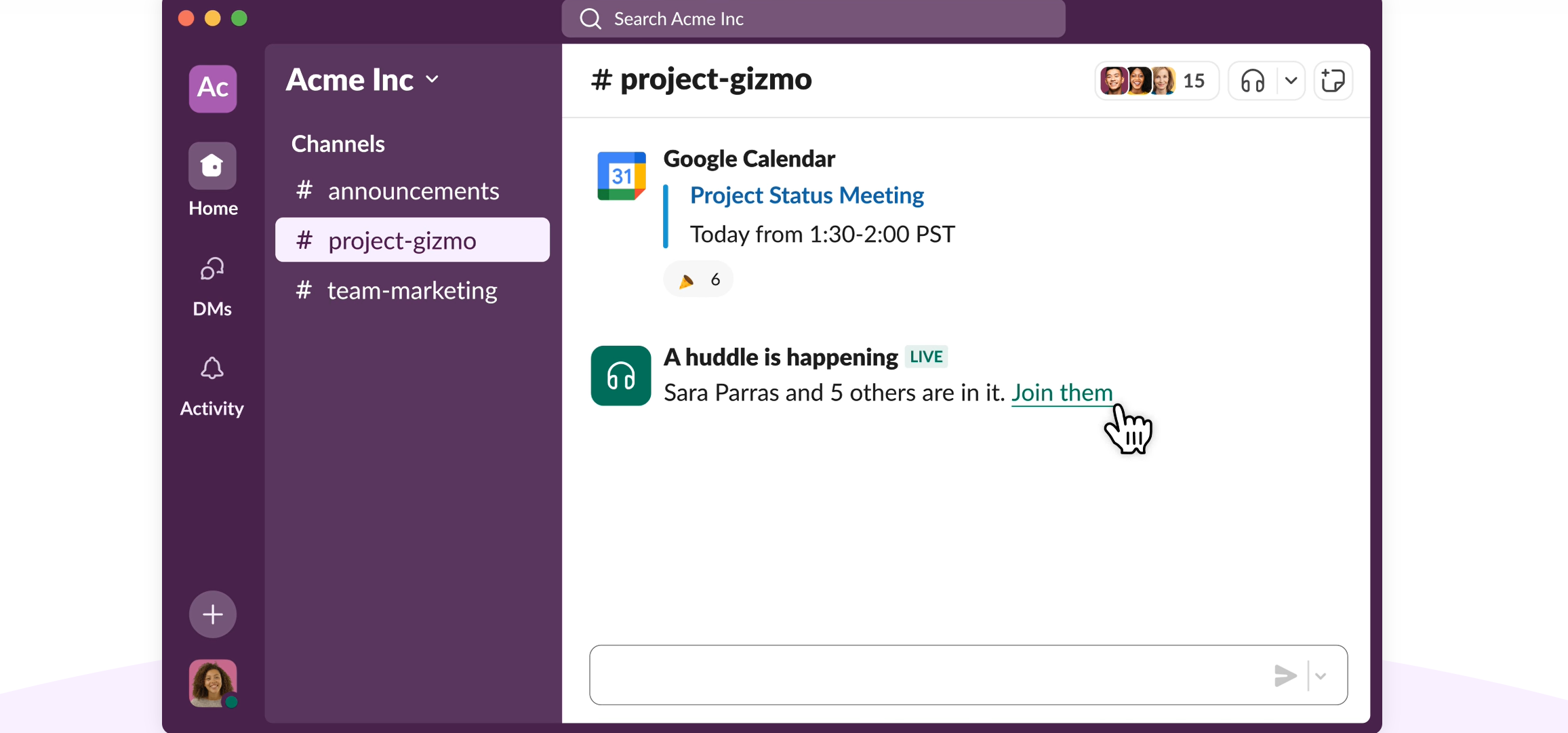
Slack is a global team messaging application.
It delivers a collaborative workspace to connect and share.
Slack gained popularity because of its efficient messaging system. It offered a fast and easy alternative to emails, solving the internal communication problem for hybrid and .
Slack’s business plan has three key components.
A user-friendly digital app that can be easily integrated into your existing system, freemium SaaS pricing to attract new users, and an enterprise solution to expand the business.
Business Plan
Purpose: Streamline team communication.
Products and Services: Messaging and collaboration app.
Target Market: Businesses with remote or hybrid teams.
Marketing Strategy: Freemium pricing model, digital marketing, and partnership programs.
Distribution: Cloud-based desktop and mobile app.
Financial Strategy: Paid subscription.
13. PayPal
PayPal is a global financial company.
It offers an online platform to send and receive money worldwide.
PayPal is one of the earliest companies to make online payment accessible to everyone.
It provided a low-cost alternative method for cross-border transactions, using a referral and reward marketing strategy to build its customer base.
Once it strengthened its customer base, it started to charge a small fee for transactions, generating profits from the business.
Ebay users were the early adopters, and cash bonuses gradually attracted others.
The business plan gave PayPal such a significant advantage that the company became the primary payment method for freelancers and merchants.
Even today, 90% of its revenues come from business transaction fees.
Business Plan
Purpose: Borderless payment.
Products and Services: Digital payments, financial services, and money management tools.
Target Market: Freelancers, online shoppers, and small businesses.
Marketing Strategy: Referrals, digital marketing, and integration.
Distribution: Cloud-based platform and B2B partnership.
Financial Strategy: Transaction fees on payments, cards, and merchant services.
14. HubSpot
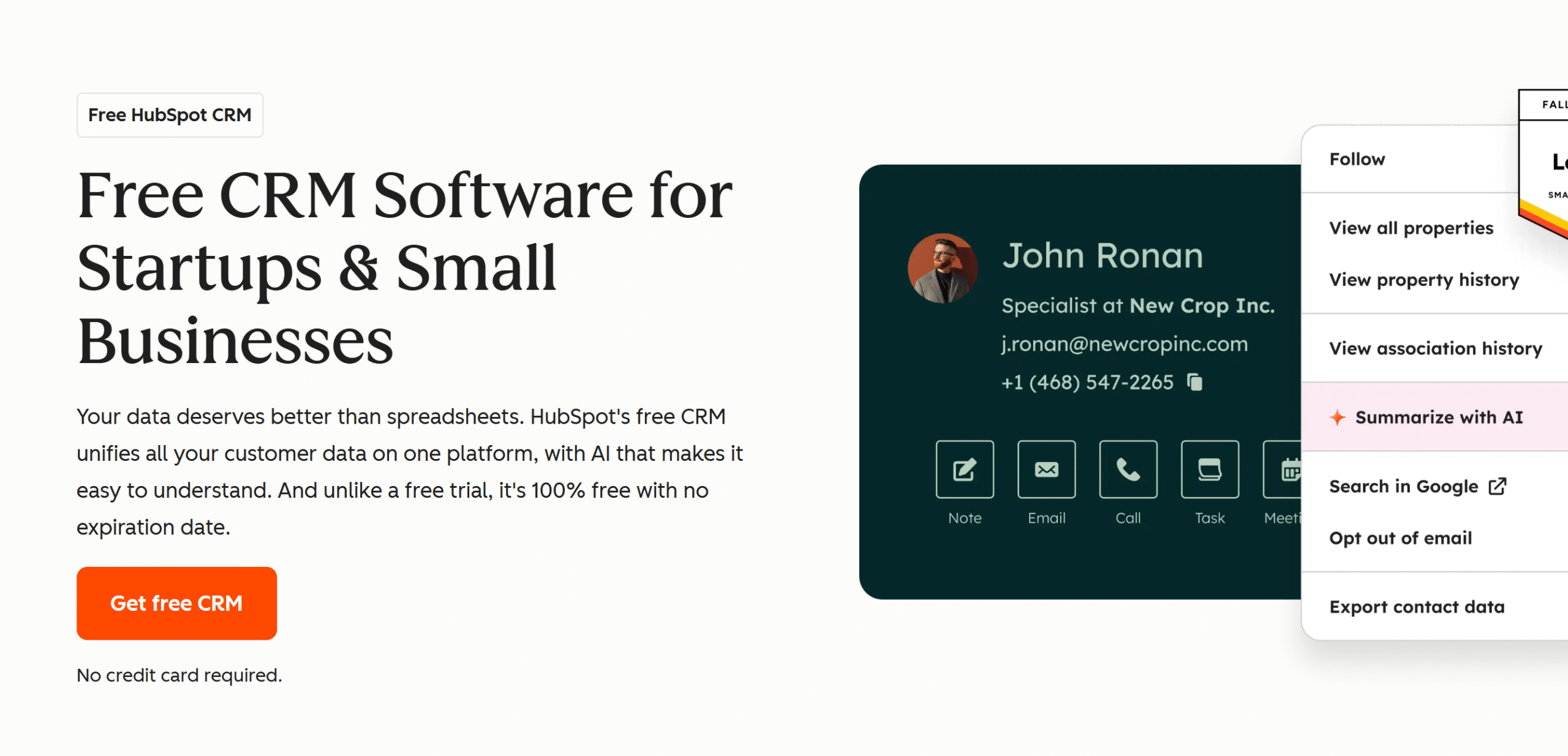
HubSpot is popular among small businesses.
It’s an SaaS CRM that provides everything you need to centralize your marketing, sales, and customer service operations.
HubSpot’s business plan differs slightly from that of conventional SaaS platforms.
It follows a module-based platform that covers a diverse range of features but gives you the flexibility to pay only for what you want to use. And to drive conversions, it offers free tools to new users.
HubSpot also relies heavily on content marketing to gain brand exposure and build credibility. It publishes blogs, videos, and educational content to attract users.
Business Plan
Purpose: To help companies grow.
Products and Services: CRM with marketing, sales, and service modules.
Target Market: Small to mid-sized businesses.
Marketing Strategy: Inbound marketing and freemium pricing model.
Distribution: Cloud-based SaaS platform.
Financial Strategy: Premium subscription and upselling.
15. Neil Patel Digital
Neil Patel Digital is a digital marketing agency run by a well-known marketing expert, Neil Patel.
The company helps businesses grow their digital presence through online marketing.
Neil Patel kick-started his company using influencer marketing. He initially established himself as a marketing expert and then leveraged his reputation to support his business.
He runs multiple businesses, generating revenue from his SaaS tools, affiliate marketing consultation, and training programs.
Neil Patel’s business plan is an excellent case study for people looking to enter the business world as solopreneurs. He started with one branch of SEO, gained experience from small ventures, built himself into a brand, and used it to establish a consulting business.
Today, he makes millions from his companies.
Business Plan
Purpose: Increase online presence through digital marketing.
Products and Services: SEO, social media, content marketing, PPC, and analytics.
Target Market: Small to mid-sized businesses.
Marketing Strategy: Influencer and inbound marketing.
Distribution: Online consultation.
Financial Strategy: Contract fees.
Conclusion
Crafting a business plan is a step-by-step journey.
You start with your mission, build business strategies, and make adjustments as you go.
If you study real-life examples, you can think outside the box and identify areas for improvement.
The more you learn, the better you can plan and execute.
Explore the list, learn from real-life examples, and start refining your business plan. Good luck!


 A better way to manage projects and clients for freelancers
 Get through busy days like a breeze with Reclaim.ai