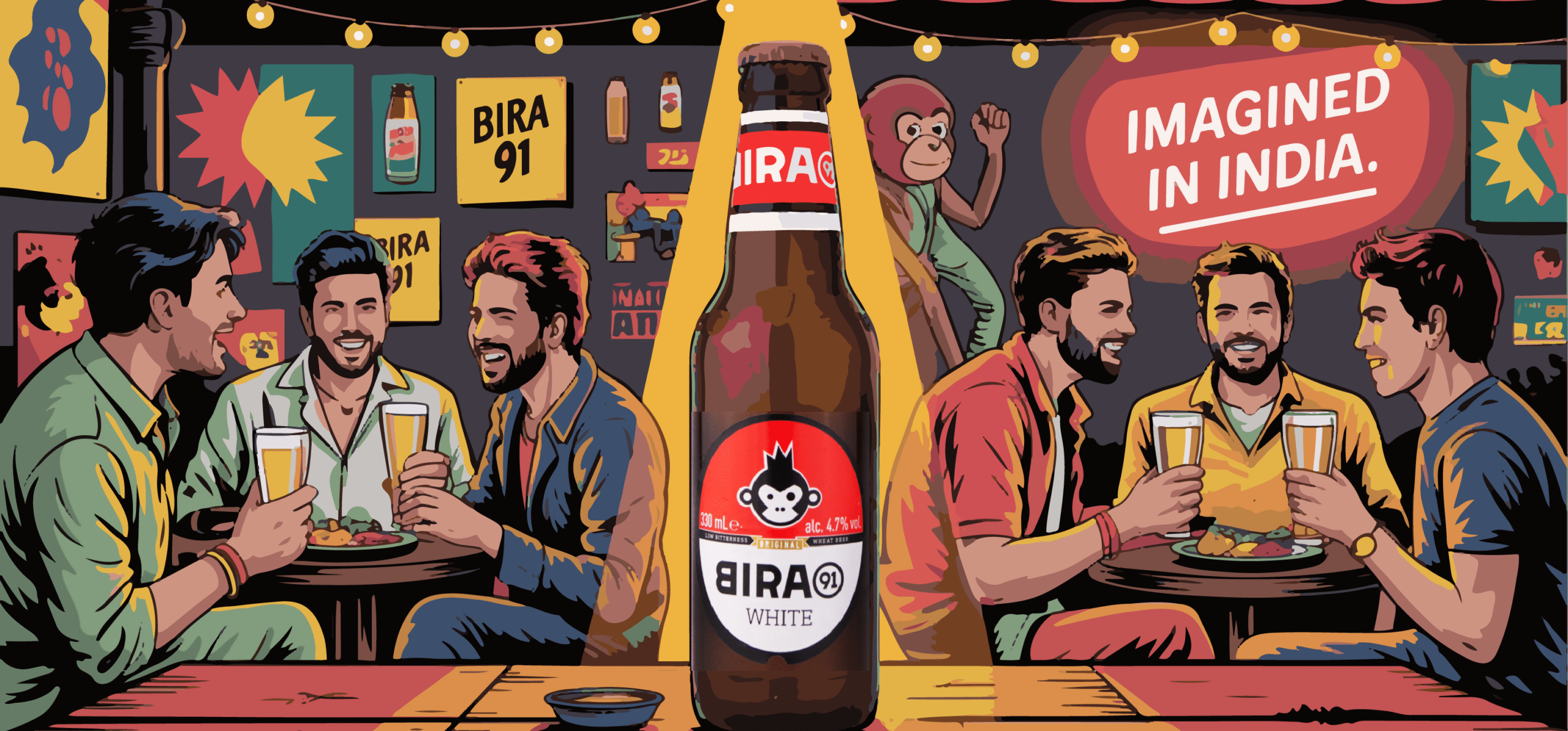
Bira 91 has dominated the Indian beer market with its unique products, quality craft brews, and bold branding.
It’s one of the few alcoholic beverage brands to target young consumers and millennials, positioning itself as a premium beer seller successfully.
In this case study, we are going to discuss Bira91’s background, business model, marketing strategies, and challenges.
Learn how this local brand carved a place in a saturated market that was already dominated by the conventional beer companies.
About Bira91
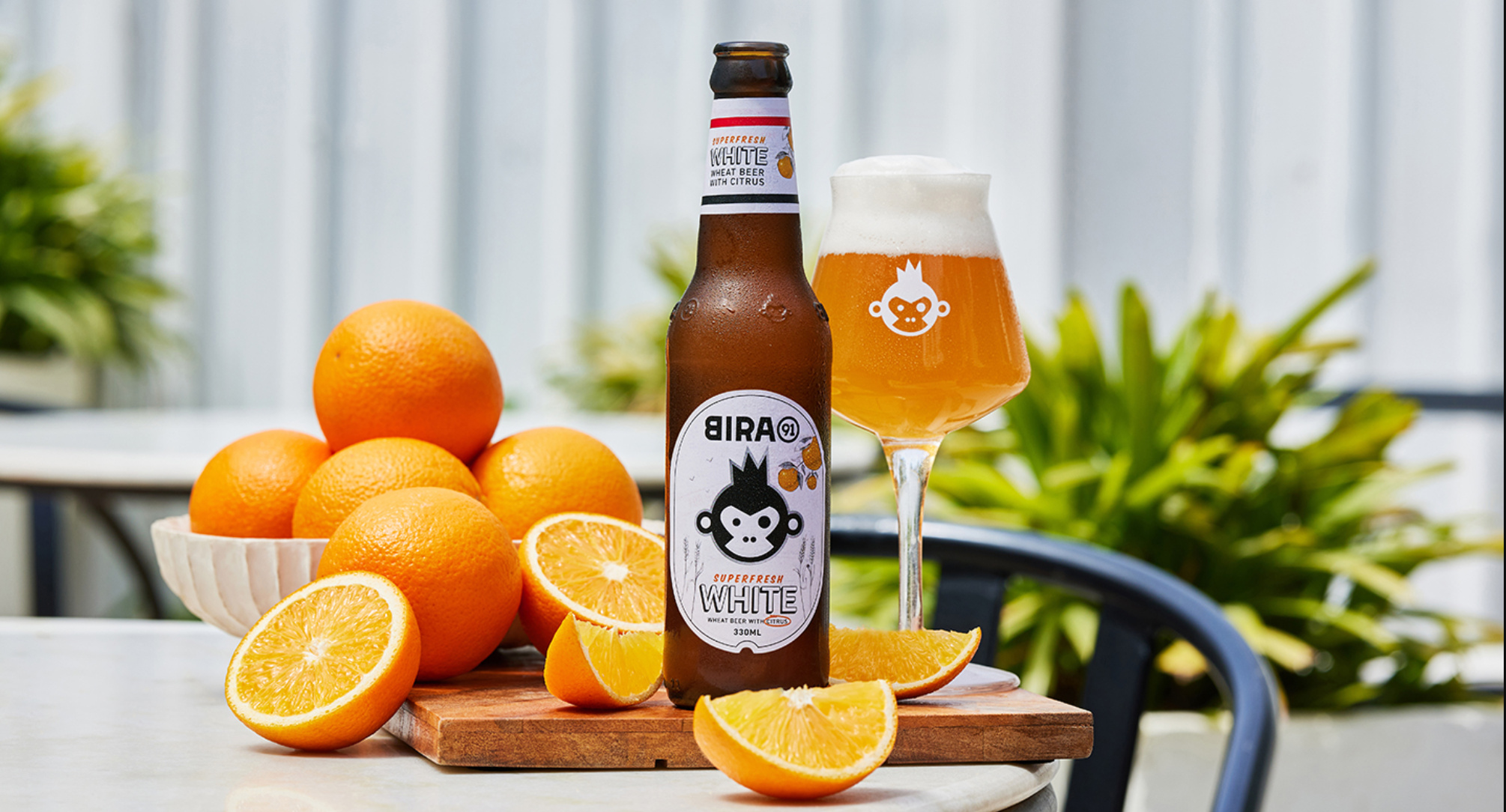
Bira91 is an Indian premium craft beer brand, widely recognized for its flavored products.
It was founded in 2015 by Ankur Jain and Tanmoy Mukherjee and is headquartered in New Delhi.
Bira91 wasn’t launched on a whim.
One of the founders was already in the beer import business and had the knowledge and experience to kickstart a new venture. Still, he spent three years understanding the Indian market before introducing Bira91.
He identified the gap in the Indian market and developed a product that would appeal to young and urban consumers.
His hard work paid off.
The business model and product idea attracted nearly seventy-four investors, giving Bira91 the funding it needed to establish the brand.
The result? A fast-growing and successful beer brand with annual revenues of around $98 million, as per the latest updates.
This is perhaps one of the main reasons Bira91’s launch was a raging success.
Bira91 has expanded significantly since its launch and has become one of the fastest-growing beer brands in India.
If I had to summarize Bira91 in a single sentence, I would say that it offers a lifestyle, not just a product. It combines personalization, premium quality, and taproom experiences to deliver strong value for the price.
Let me walk you through Bira91’s journey from its inception to success.
Bira91 Journey
Bira91 started its journey with a simple concept–beer must taste good.
Ankur Jain initially launched two flavors, White Ale and Blonde Lager, to see the audience’s response.
The target market was New Delhi and Bengaluru, and the distribution points were premium beer bars and restaurants. The early product was imported from Belgium and marketed by word of mouth.
When the products came out in the market, the audience’s early response was astonishing.
Bira91 managed to sell its entire shipment within three months!
By 2017, it expanded its operations to major cities in India, including Delhi, Mumbai, and Goa, and became popular among urban drinkers.
In 2018, Bira91 officially entered the US market and kicked off its global expansion strategy.
In 2020, COVID came like a raging storm, dooming a majority of businesses, specifically in the food industry.
Bira91 also suffered losses but recovered most by shifting from on-premise to home deliveries.
Later, Bira91 expanded its business, hiring more than 500 employees for business operations.
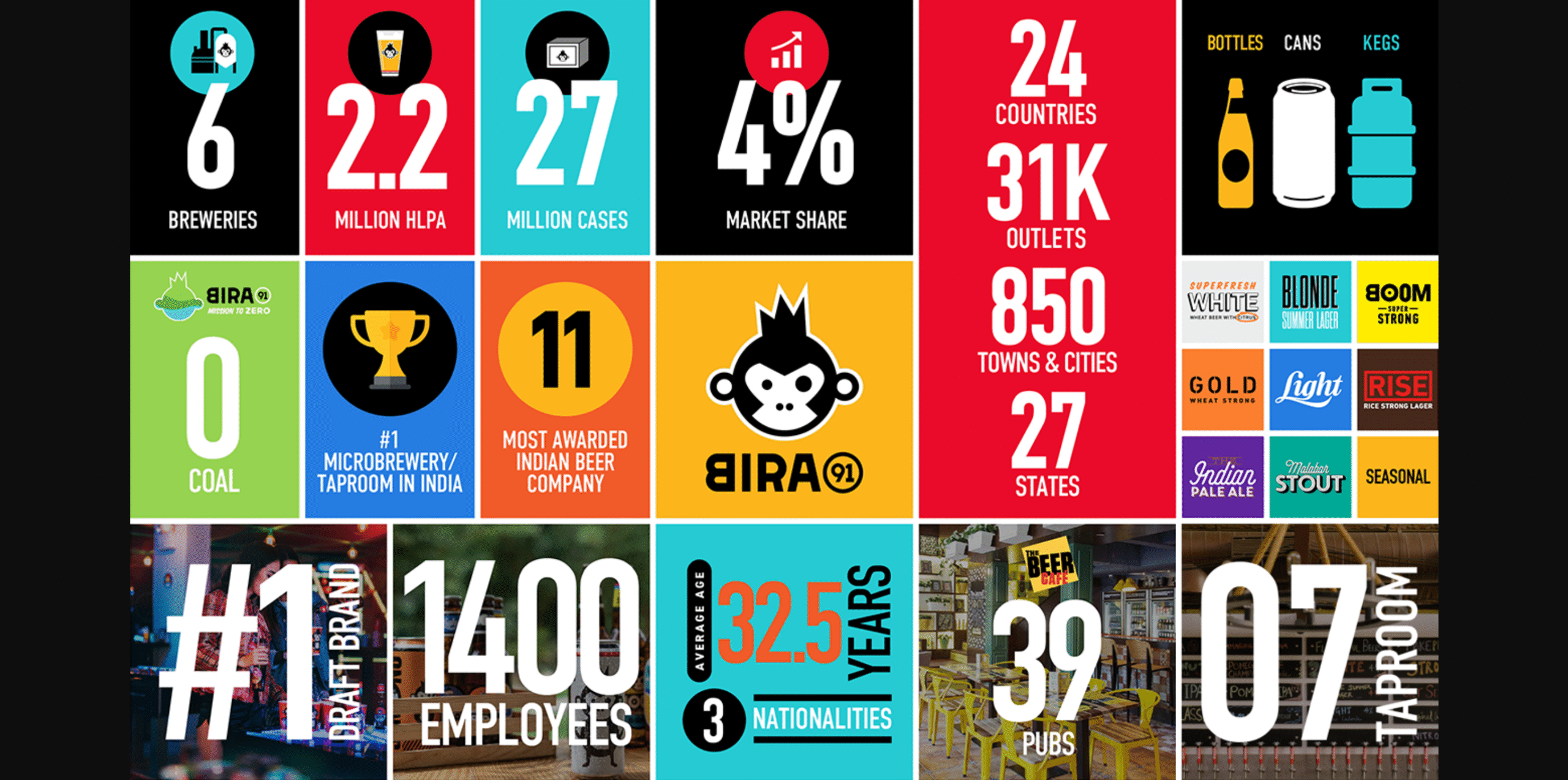
Bira91 has so far secured a total of $457M in funding from 72 investors, including well-known names like Peak XV Partners, KOIS, and Sofin.
The company currently competes with several popular beer brands.
Bira91 Business Model
Bira91’s business model is built on proven operations and brand positioning.
It highlights the value proposition, distribution, and revenue streams, offering a clear direction on product development, costs, and sales.
If you check Bira91’s business timelines, you’ll notice a systematic approach to brand establishment and expansion.
The company began with contract manufacturing and distribution, utilizing upscale B2B channels to launch its operations.
Using low-key marketing tactics, like word of mouth, and bold packaging, it increased brand awareness while targeting a specific audience.
Cost was a major factor in the initial years, and Bira91 relied on third-party contractors to balance its expenses and profits.
As the revenue volume increased, it switched to local manufacturing units and added in-house distribution channels to expand sales.
Here’s a breakdown of its business model.
- Target Market: Millennials and Gen Z customers.
- Value proposition: Premium quality flavored craft beers tailored to the Indian audience’s tastes.
- Product Line: A range of beers for both health-conscious and strong drinkers, made with high-quality ingredients to ensure a fine taste.
- Pricing: Bira91 has positioned itself as a premium brand, charging 20-30 percent higher than normal beers to appeal to quality-conscious individuals.
- Distribution Channels: A mix of third-party distribution channels and an in-house network to offer both on-premise and off-premise experiences.
- Revenue Streams: Multiple revenue streams, including wholesale to bars and retail stores, direct sales via online stores, and side revenues through taprooms.
To summarize, Bira91 has established a substantial customer base through effective marketing strategies and a well-structured distribution strategy.
Below, I have expanded Bira91’s marketing mix a little to highlight its core strategies. I have also shed light on some of Bira91’s challenges to show both negative and positive aspects of a successful business.
Bira91 Marketing Mix
Below, I have covered the four areas that make up the core of Bira91’s marketing strategy.
The idea is to share how you can tailor the standard strategies to target a specific segment.
Let’s start with the product strategy.
1. Product Strategy
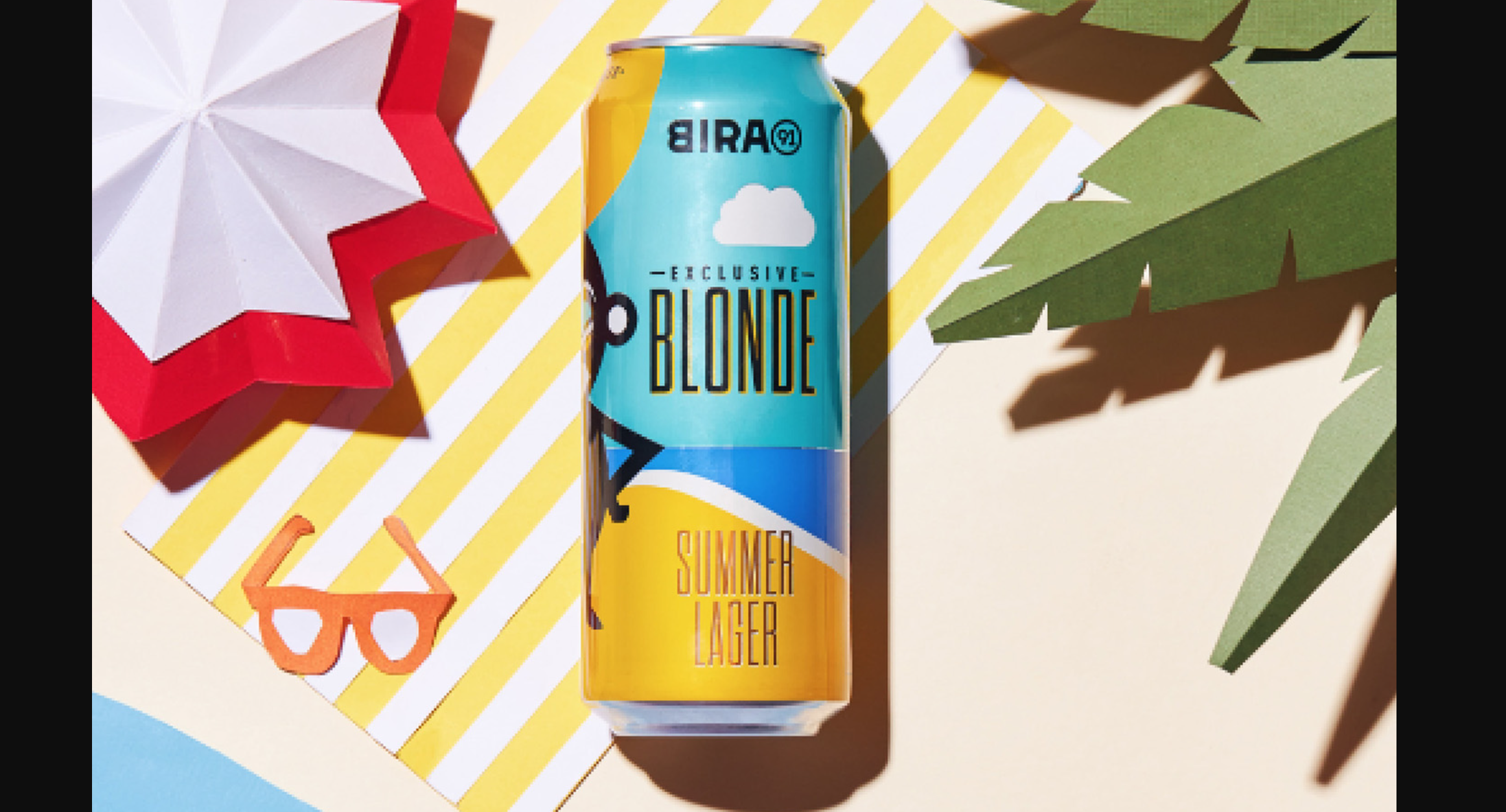
Bira91’s product strategy involves offering flagship products with seasonal and limited additions to keep things fresh.
The company focuses on flavors and alcohol strength to cater to the different preferences.
Let me break down its product range for you.
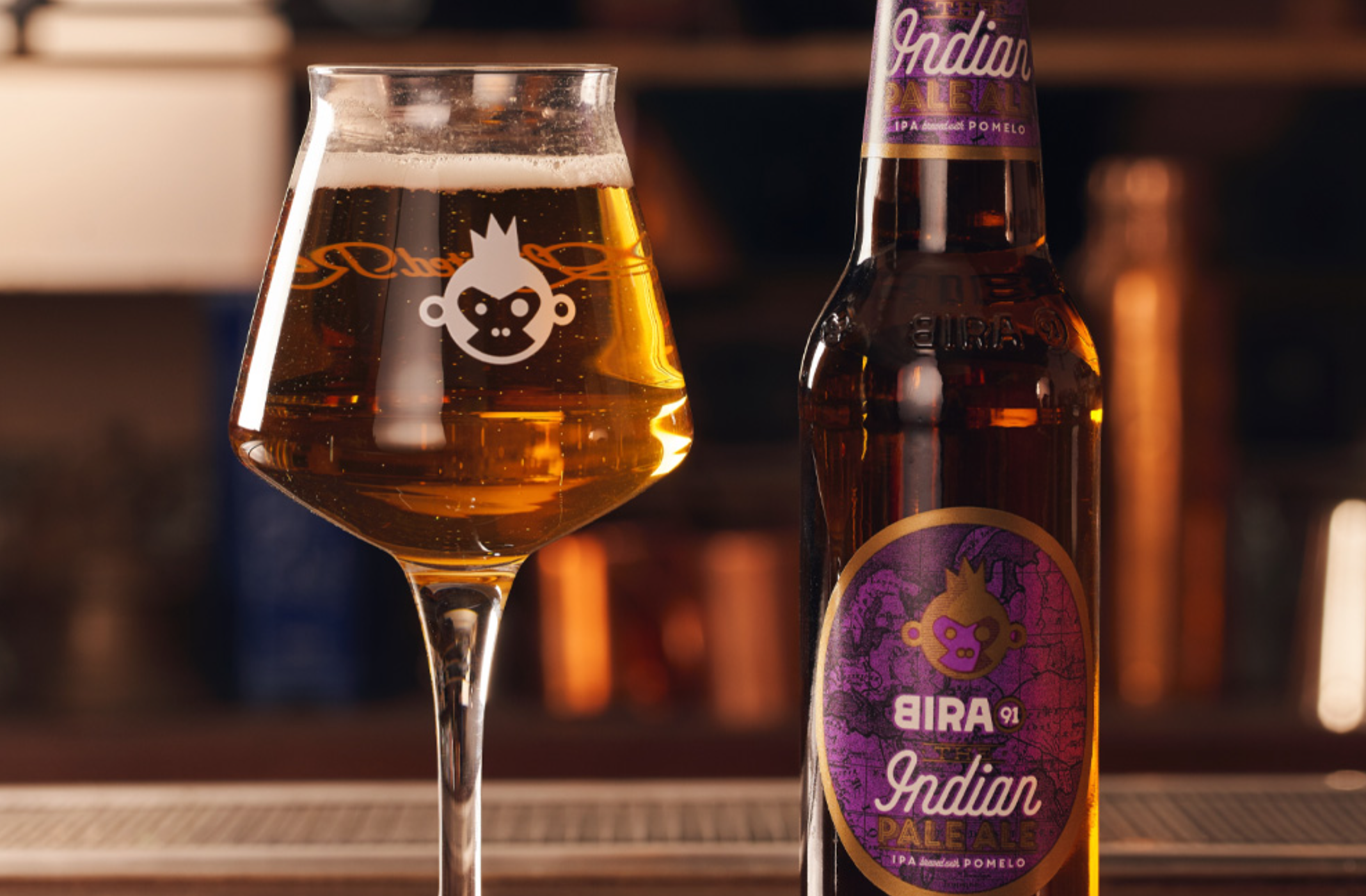
Bira91 sells wheat beer for the casual or first-time drinkers. It has a hint of citrus and low strength to help you adapt to the taste.
For seasoned drinkers, Bira91 offers Blonde Lager and Boom Strong. They have a slightly higher strength and strong flavors.
The third segment Bira91 targets includes health-conscious individuals. For this target market, it sells a low-calorie beer in cans and 300 ml bottles.
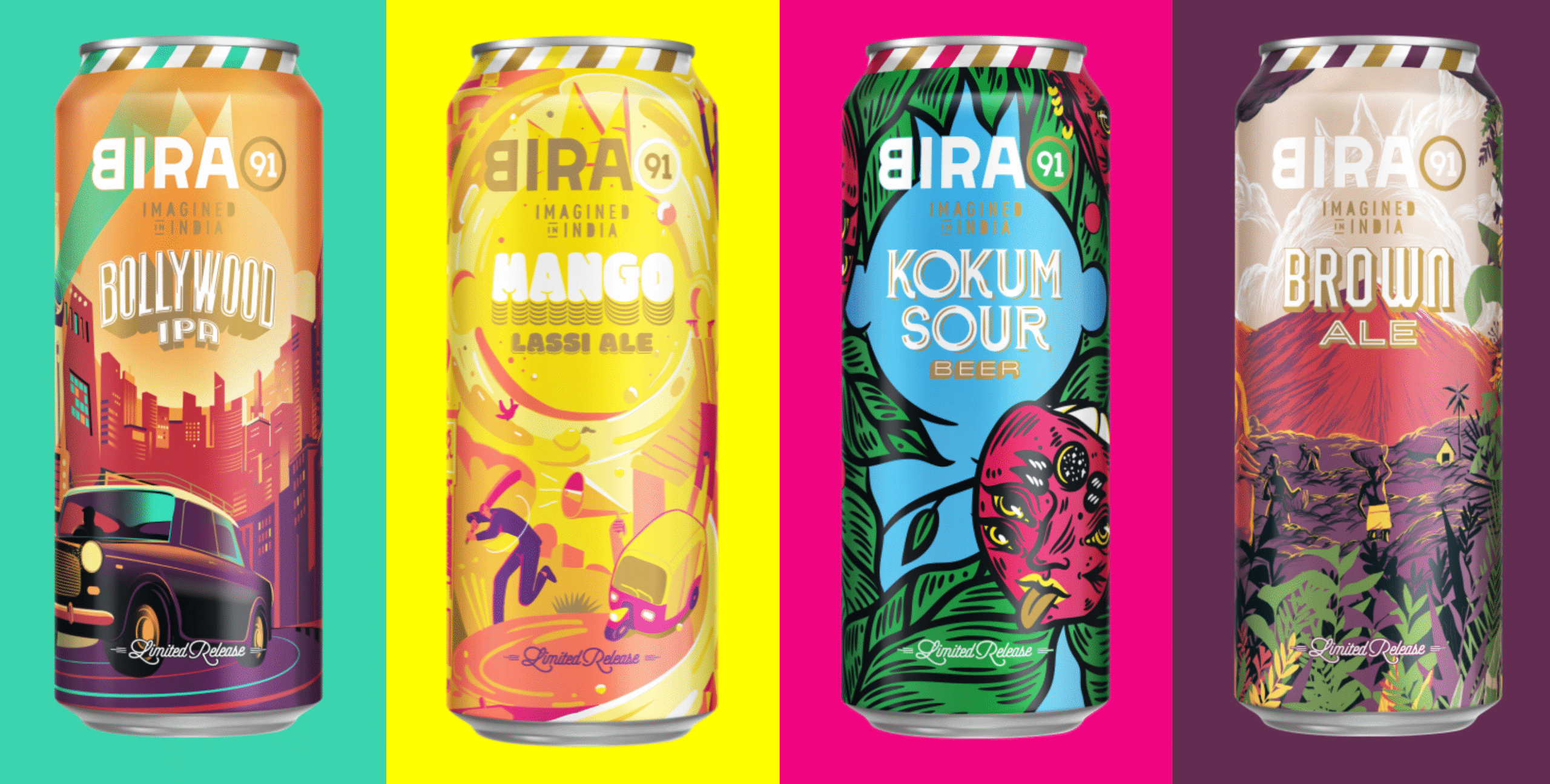
To offer a reprieve from the usual and add a bit of fun to the standard flavor, Bira91 occasionally releases seasonal beers, like Mango Beer. These products often come out as a limited edition to trigger urgency and boost sales.
2. Price Strategy
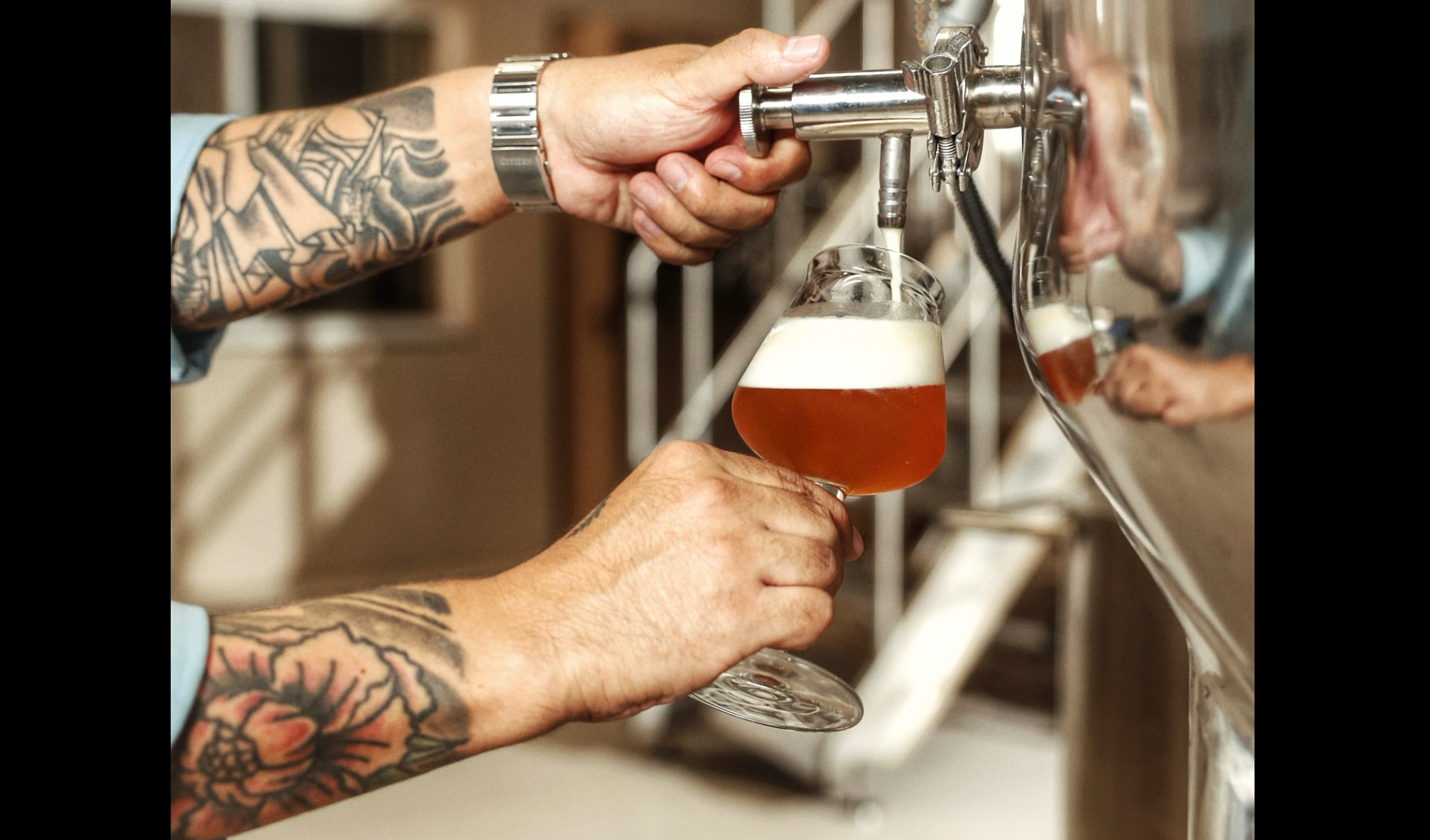
Bira91’s price strategy is in line with its brand image.
It charges a 20-30 percent premium over traditional beers to fortify its reputation as a premium craft beer seller.
The company justifies the pricing with quality ingredients, a unique value proposition, and brand positioning. It has specifically established a clear distinction from mass-produced beers with a price strategy.
For example, the high price exhibits exclusivity, attracting status-conscious individuals. People are willing to pay more for the quality and experience.
Bira91 also uses traditional “99 sale techniques” in its pricing strategy to make its products appear less expensive. It may seem contradictory to its base price strategy, but the psychological technique works well for both conventional and premium brands.
This two-tier pricing model helps Bira91 target two consumer groups: value-sensitive millennials who prefer the product over customer experience, and the upper-class group who want a more refined drinking experience.
Bira91 additionally leverages its pricing strategy to influence the customer’s perspective. It occasionally releases limited editions with comparatively high prices to make its products appear more premium.
3. Distribution Strategy

Bira91 has developed several distribution channels to strategically position its products as premium items and also make them accessible.
For example, the company chose urban cities for operations, like Delhi, Mumbai, and Bangalore, to target people who can afford high-quality drinks.
Within these cities, it partnered with trendy bars and posh restaurants that the higher-income group usually frequents.
Secondly, it introduced in-house taprooms for the more upscale customers. They aren’t just places to purchase beer; they offer a space to relax, engage, and enjoy the experience.
Most taprooms operate in major cities, providing their customers with an immersive brand experience.
Also, for people who prefer the privacy of their home, Bira91 developed e-commerce routines to sell its products online.
Summarily put, the company uses both in-person and e-commerce channels to distribute its products.
4. Promotion Strategy
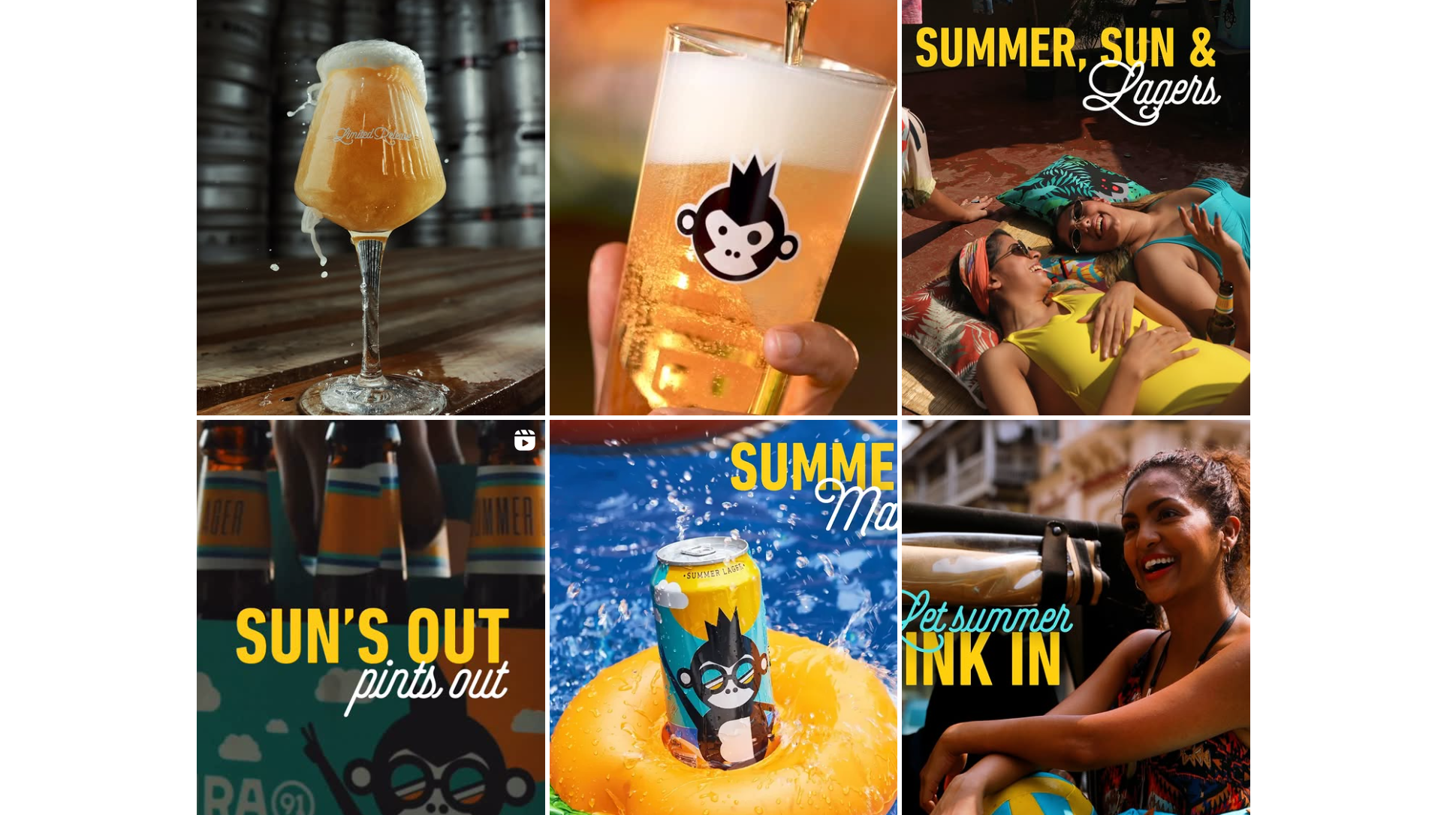
Bira91 leverages conventional and modern marketing techniques to promote its products.
It uses bold branding and word-of-mouth to create brand awareness and various engagement methods to increase product visibility.
Its top prominent promotion channels are restaurants, taprooms, and digital media. But it also utilizes other venues for promotion.
Let me give you some examples.
Bira91 arranges real-life activities such as pop-up bars in high-traffic areas and entertaining brewery tours to create brand awareness. In addition, it participates in high-profile sports events, such as cricket, to reach its audience on a large scale.
Brand partnership is also part of its best promotion strategies. One of its popular collaborations was with Warner Bros. to sell House of Dragons–themed merchandise.
To summarize, Bira91’s traditional promotional strategies include event marketing, sports sponsorships, outdoor promotions, and brand collaboration.
Its digital promotion strategy, on the other hand, involves influencer marketing, gamification, social media engagement, and advertisements.
Challenges of Bira91
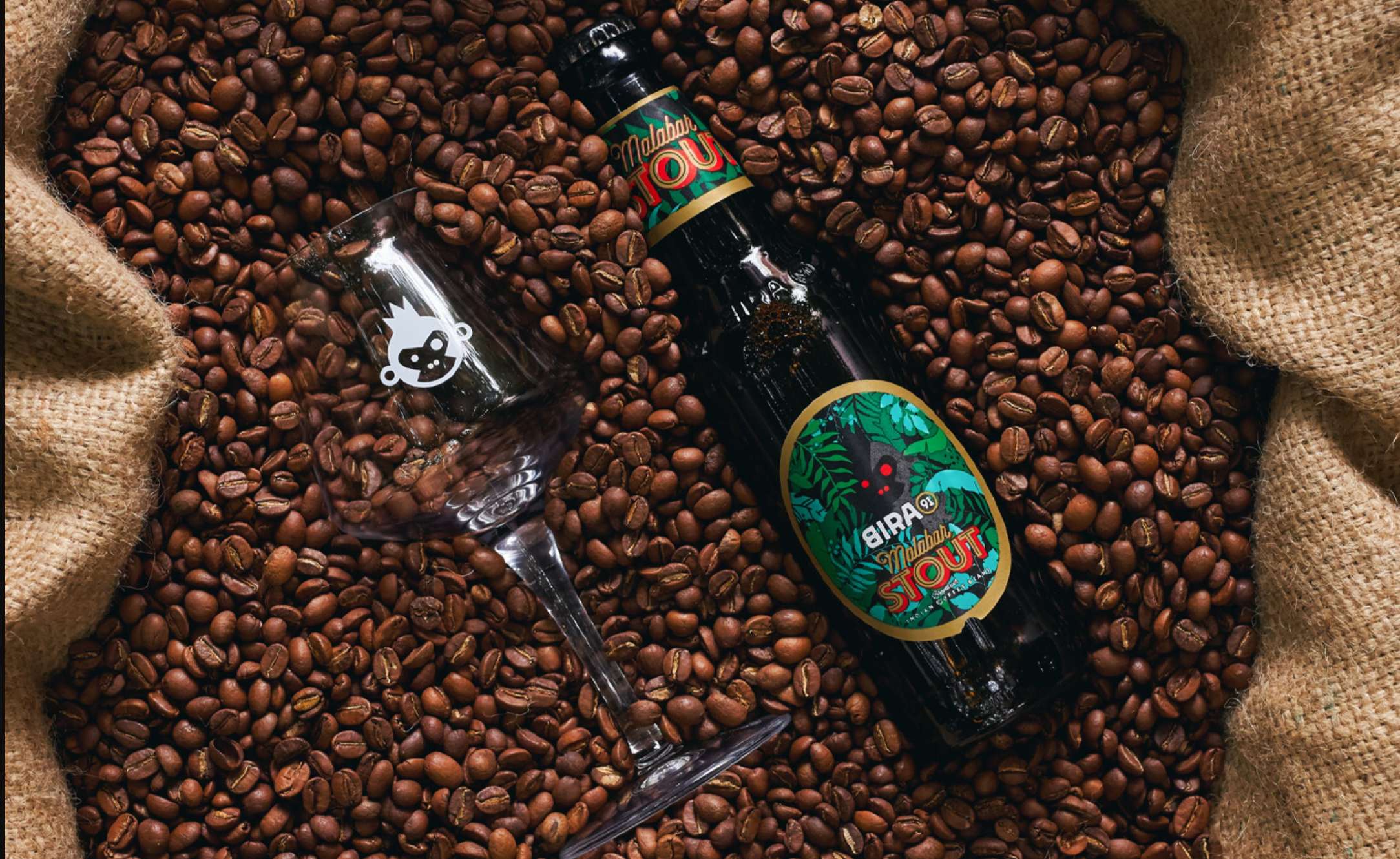
Bira91 is one of the top companies that has experienced a successful launch and impressive growth.
In a short period, it grew from a startup to a multinational craft beer brand, transforming the beer industry with its unique product line.
Despite its raging success, Bira91 has encountered several hurdles in the last few years. Its business experience proves that even great companies have stumbling blocks.
I have shared three major challenges Bira91 faced in the early and peak years.
Understanding these obstacles might help you develop well-thought-out strategies and contingencies to counteract the problems.
1. High Production Cost and Competition
Bira91 started its early production in Belgium, using imported ingredients to set itself apart.
The unique selling point allowed Bira91 to compete with the big brands and establish its presence.
The operational expenses, coupled with marketing costs, unfortunately, added to the cost of production, making the approach unsuitable for long-term production.
Bira91 later moved its manufacturing locally, sourcing domestic ingredients and labor to bring down the operating cost.
Given the nature of the product, the shift didn’t impact its revenues much, but it did disrupt its operations temporarily.
2. Financial Struggles
As a fast-growing company, Bira91 has met several financial challenges that have made a huge impact on the annual budget.
The major contributors were expansion plans, reliance on third-party funding, and unexpected operational disruptions.
For example, Bira91’s recent financial situation in 2024 became overwhelming due to rapid growth and regulatory problems, resulting in a low cash flow. It caused delayed payments, late salaries, and operational disruption, affecting the brand reputation.
The recent staff restructuring also brought with it a significant amount of revenue loss.
The company lost money by making internal changes, pursuing new markets, and facing competition.
3. Regulatory Hurdles
The biggest challenge for Bira91 is the complex alcohol laws in India, which differ by state.
Some states prohibit alcoholic beverages, and some have put severe restrictions on the sale of beer, adding conditions to control the supply.
The complication of licenses, taxes, and distribution systems disrupted not only the operations but also slowed down business expansion.
The prime example is Bira91’s name change fiasco.
The company incurred a loss of revenues just to change its corporate name, because the move required re-registration in multiple states, and it hampered the operations.
Bira91 lost around eighty crore INR with that move.
Conclusion – The Future of Bira91
The aim of Bira91’s case study is to share how innovation and smart marketing can help you compete with big brands and carve a place in an established industry.
If you study Bira91’s approach, you’ll notice that by simply offering personalized products and promoting them as premium beers, Bira91 attracted new customers and grew its presence.
With its unique products and tailored marketing strategies, Bira91 gained the visibility it needed to establish its business and grew its customer base rapidly.
Within a few years, Bira91 became the fourth-largest beer supplier, holding 5% of the market share.
While Bira91, like any other fast-growing business, faced its share of challenges, its innovative approach and customer segmentation still gave it an edge to beat the odds.
With the increase in beer consumption, Bira91 now holds a prime spot to extend its influence and boost its revenues.
It has already expanded its business overseas, targeting the US, European, and Southeast Asian markets. It has also announced its intention to go public in 2026 to fund its expansion plans.
Study Bira91 and take inspiration from its business model and marketing strategies. Good luck!


 A better way to manage projects and clients for freelancers
 Get through busy days like a breeze with Reclaim.ai