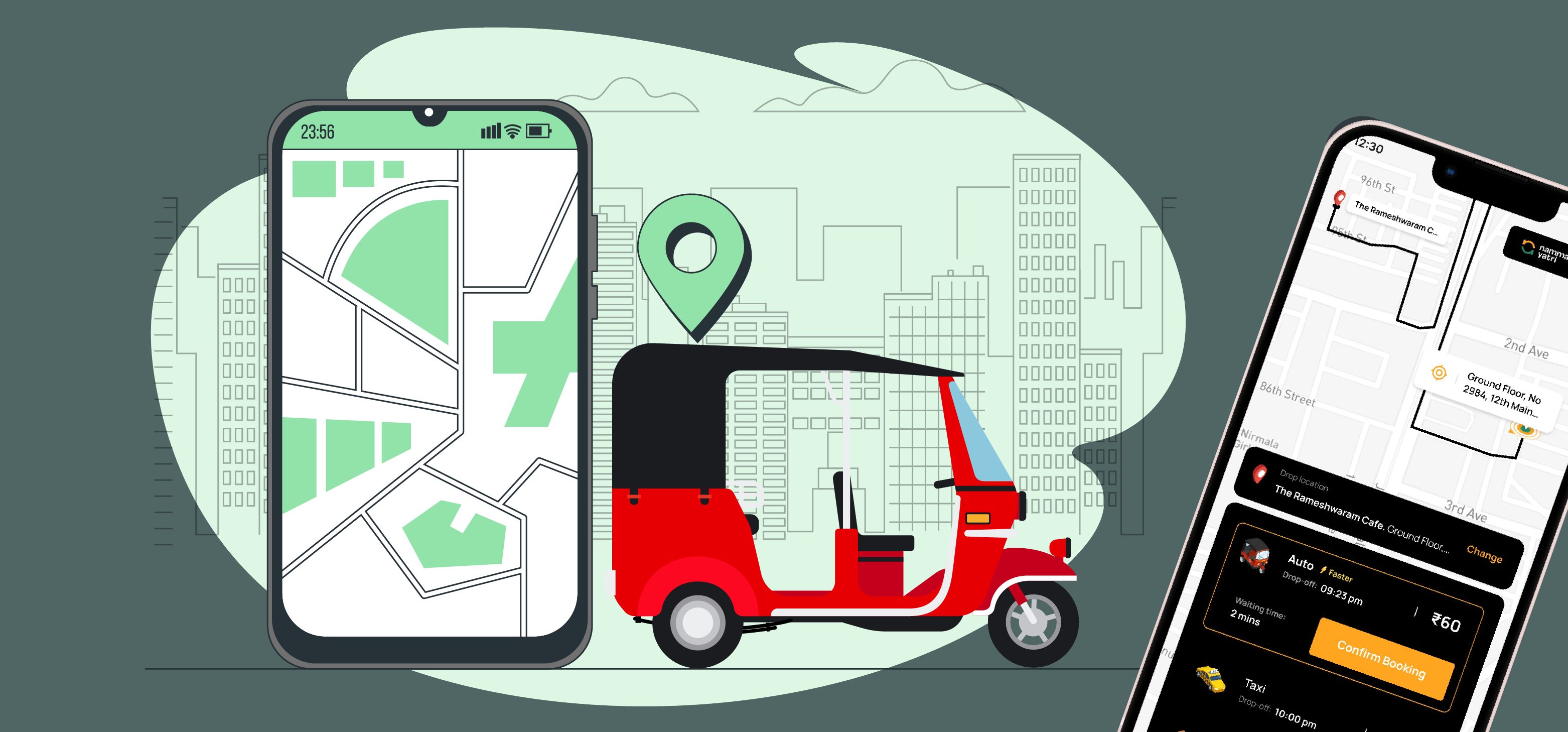
Namma Yatri has transformed the transport industry with its unique business model and convenient system.
Unlike traditional businesses that take a large cut from drivers’ earnings, Namma Yatri works on a zero-commission model, ensuring drivers keep their full income while offering passengers fare pricing.
It is one of the first companies to use an open-source technology, bringing a transparent and fair commute system that benefits both parties.
In this case study, we will explore Namma Yatri’s business model and its success journey. The purpose is to highlight the significance of innovation in a traditional market and the future for tech-centric emerging businesses.
About Namma Yatri
Namma Yatri is an India-based rickshaw ride-hailing company built on an open-source network, ONDC. It is designed for daily commutes, providing a mobile app to connect with rickshaw drivers and book rides online.
The app was launched by Juspay Technologies to solve the struggle of auto-rickshaw drivers.
Since the inception of the digital conveyance services, many drivers have expressed dissatisfaction because of the 20-30% commission charges on each ride. While transportation apps have improved the flow of passengers, at the end of the day, drivers are left with very little profit to show.
A tide of complaints from drivers about unfair pricing policies gave birth to the idea of a budget-friendly solution–Namma Yatri.
Namma Yatri Journey

Namma Yatri aims to eliminate the conventional revenue model, allowing drivers to communicate directly with their potential passengers without giving exorbitant cuts to the intermediary company.
The goal was simple: let drivers earn more while reducing fares for passengers.
Bengaluru was the first city to see the practical implementation of Namma Yatri, and the response was overwhelming, to say the least.
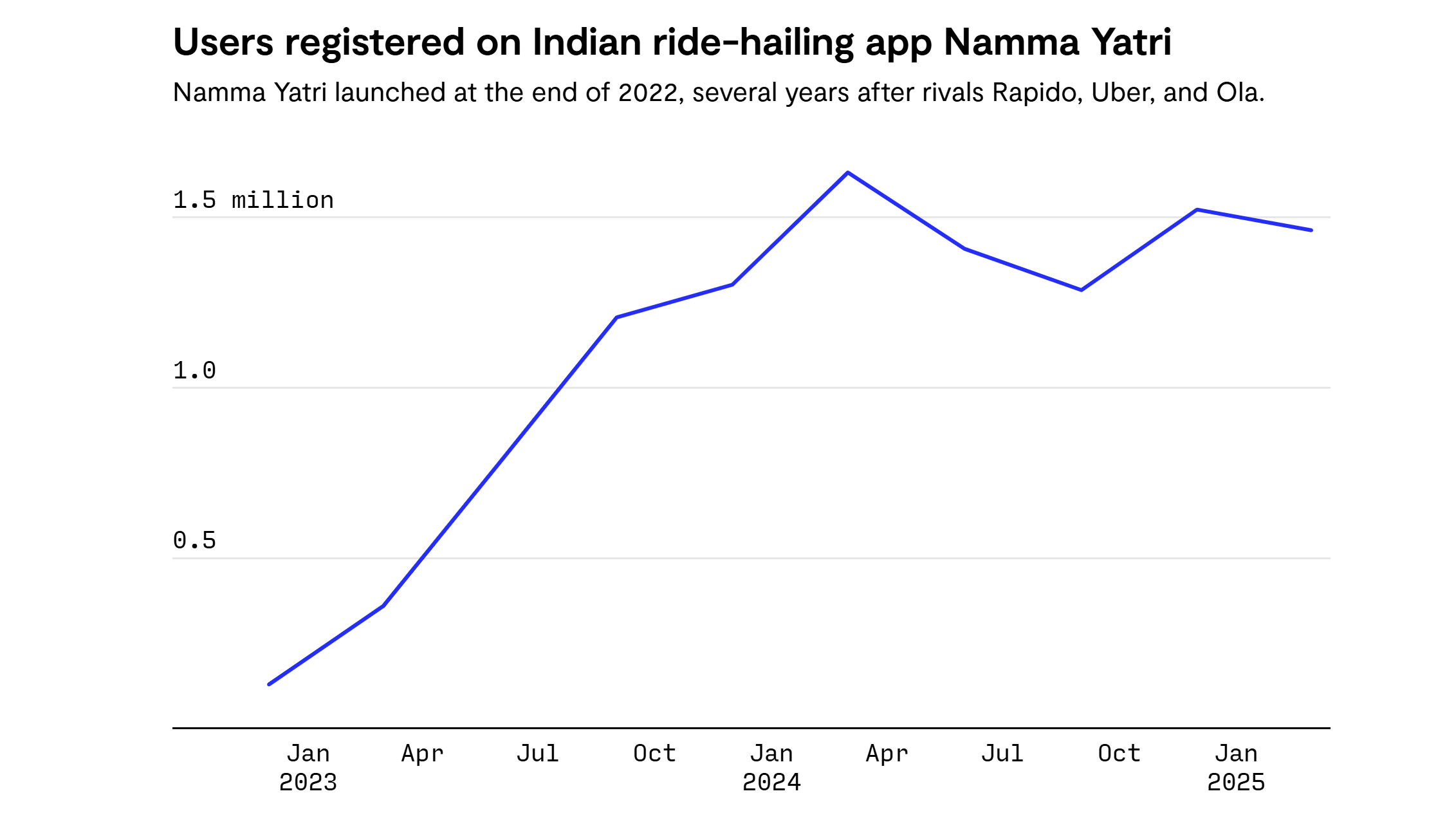
Over the course of six months, 430,000 registered drivers became part of the platform, increasing their earnings by 30%.
The sudden growth proved that people wanted a more budget-friendly alternative to Uber and Ola, and they are willing to trust a new startup that meets their objectives.
With the company’s initial success, several investors saw the strategic opportunity Namma Yatri presented, and notable entities like the global investment firm Antler funded the business.
Their collective interest supports the idea that a community-oriented product not only drives better response, but it can also succeed in the competitive market.
Namma Yatri secured $11M through funding from Blume Ventures and Antler and gained over $55M in investment.
Within three years, it has expanded its circle to other cities and has amassed over 1 crore users to date.
That’s an amazing success for a startup company.
Tons of businesses emerge and fail within the year despite offering helpful products and services. But Namma Yatri, with government backing and a clever business model, managed to garner significant attention and customers.
How Namma Yatri Works/Business Model
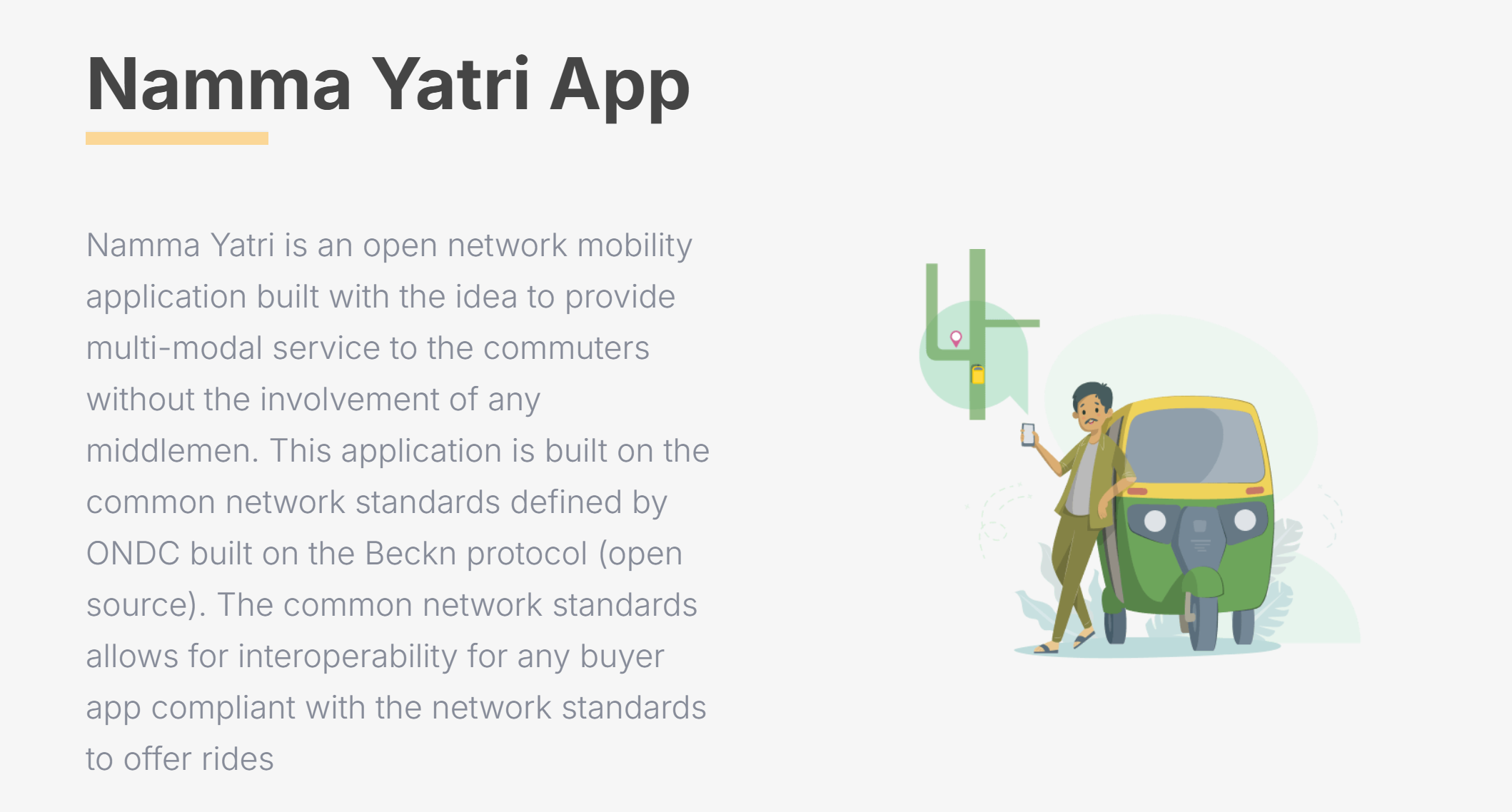
Namma Yatri works a little differently from other conventional ride-hailing apps. Instead of taking a certain percentage from each ride, it charges a small subscription fee.
The main app is built on the Beckn Protocol–a decentralized commerce model.
It’s an open-source system that lets various mobility services work together without a controlling authority. The drivers get the option to pay ₹25 per day or ₹3.5 per ride and keep 100% of their profit.
As for payment, Namma Yatri offers multiple payment methods like UPI, cards, and cash, giving more flexibility to passengers. Drivers enjoy the benefits too, receiving payments directly without delay.
If you combine all the above factors, the ride experience becomes affordable and hassle-free for both drivers and commuters.
The main purpose of Namma Yatri’s business model is to create a tech-centric and cost-effective transportation system. With a subscription model and an online booking system, Namma Yatri earns revenue and satisfies both parties.
Let’s look at Namma Yatri Marketing Mix to see how it entered the market and gained a huge customer base.
Namma Yatri Marketing Mix
Namma Yatri facilitates direct connections between auto drivers and passengers.
Both are its target audience, and the company has focused on both in its marketing strategy to create brand exposure and convert leads into customers.
Below, I have shared the four key areas of Namma Yatri’s marketing strategy that contributed to its success. I have explained each strategy with examples to help you understand its marketing tactics better.
1. Product Strategy
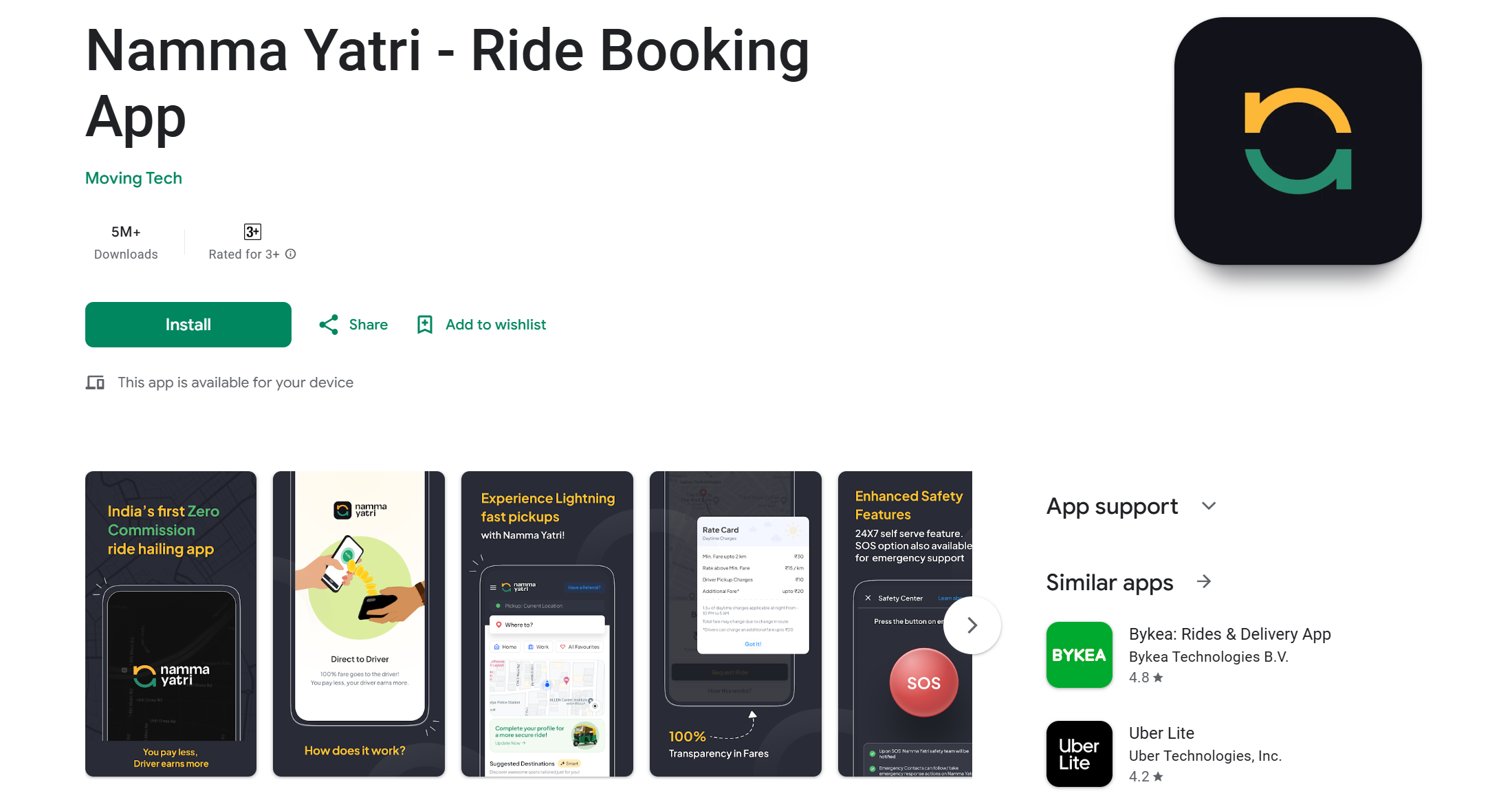
Namma Yatri’s main product is its unique selling point. The open-source ride-booking app with a no-commission revenue model attracts drivers and commuters alike.
The developers have also focused on the app’s usability to improve the user experience. Since Namma Yatri’s target audience covers people with low and high literacy skills, the company has designed the product to be used by anyone.
For example, the app displays bold and visible buttons to make their purpose clear. The navigation is also easy, and travel details are transparent. Passengers can see their destination, estimated time of arrival, and fares upfront, allowing them to make an informed decision.
Drivers enjoy even more benefits as the product is designed specifically to meet the challenges of drivers. They can receive direct payment from passengers and earn 100% of fares, with the option of an additional tip as an incentive.
The most notable feature of the Namma Yatri product strategy is its product position. The company launched the product as an alternative to Uber and Ola. That fact alone makes the product attractive to customers.
2. Price Strategy
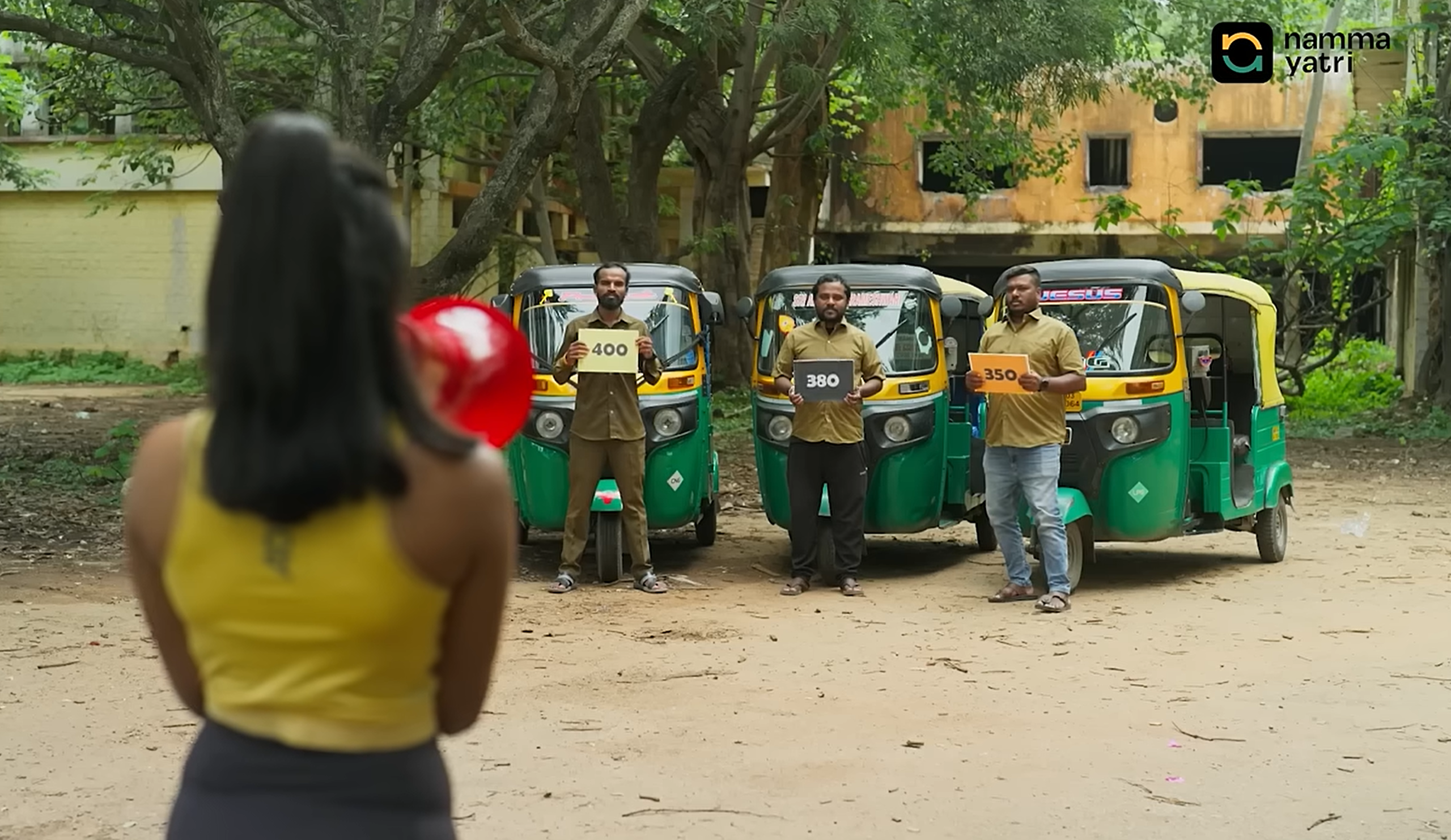
Namma Yatri’s pricing strategy focuses on two main factors: transparency and affordability.
The company has built a subscription system to eliminate commission-based pricing and kept its subscription fee low, setting it apart from other companies like Uber.
Secondly, the pricing model offers an advantage to both drivers and passengers.
Drivers only pay when they earn daily wages, and ride fares are sanctioned by the government. Passengers don’t have to worry about exorbitant rates in peak hours, and drivers earn 100% of their earnings.
Namma Yatri also uses the price point as a marketing technique to attract leads.
For example, in April 2024, Namma Yatri introduced a new program that involved removing all commission fees permanently for a specific period.
Drivers can enjoy commission-free access to the app til October 2024. Afterward, they will be charged just ₹90, irrespective of the number of rides.
The program was launched to attract cab drivers. The plan is still in effect with a few changes in the prices.
Namma Yatri tried a similar strategy in the initial months to increase conversions. Both times, the results exceeded expectations.
3. Distribution Strategy
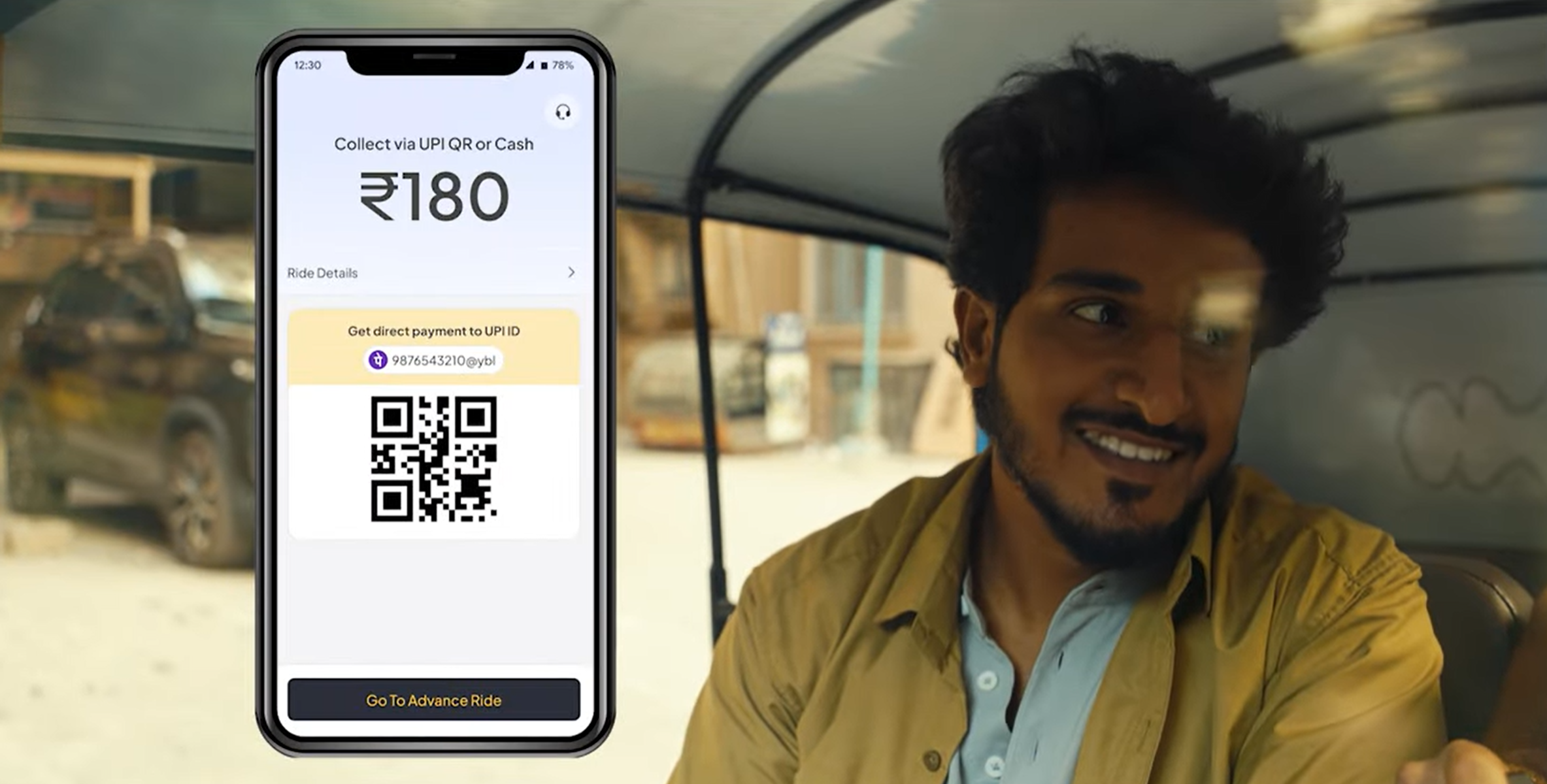
Namma Yatri’s business model relies on its B2B customers’ assets. The company doesn’t own any assets. It offers a digital app to access a wide pool of customers.
To put it simply, Namma Yatri’s mobile app is its core distribution channel.
The app is available on both Google Play and Apple Store and supports multiple languages to cater to users from different regions. The company initially started with Bengaluru, then moved to Delhi, Hyderabad, Chennai, Kochi, Mysore, and Tumkur.
Namma Yatri also uses on-site channels to connect passengers with drivers. It has installed booths in multiple cities near auto stands to help people book rides offline.
This strategy works really well for people with no access to the internet. While Wi-Fi is accessible to everyone, it bears the risk of poor connectivity, which means you can’t access the app all the time.
Having a physical booth near auto stands is a practical and brilliant tactic. You can use it both as a booking and information stall, which I believe Namma Yatri does.
4. Promotion Strategy
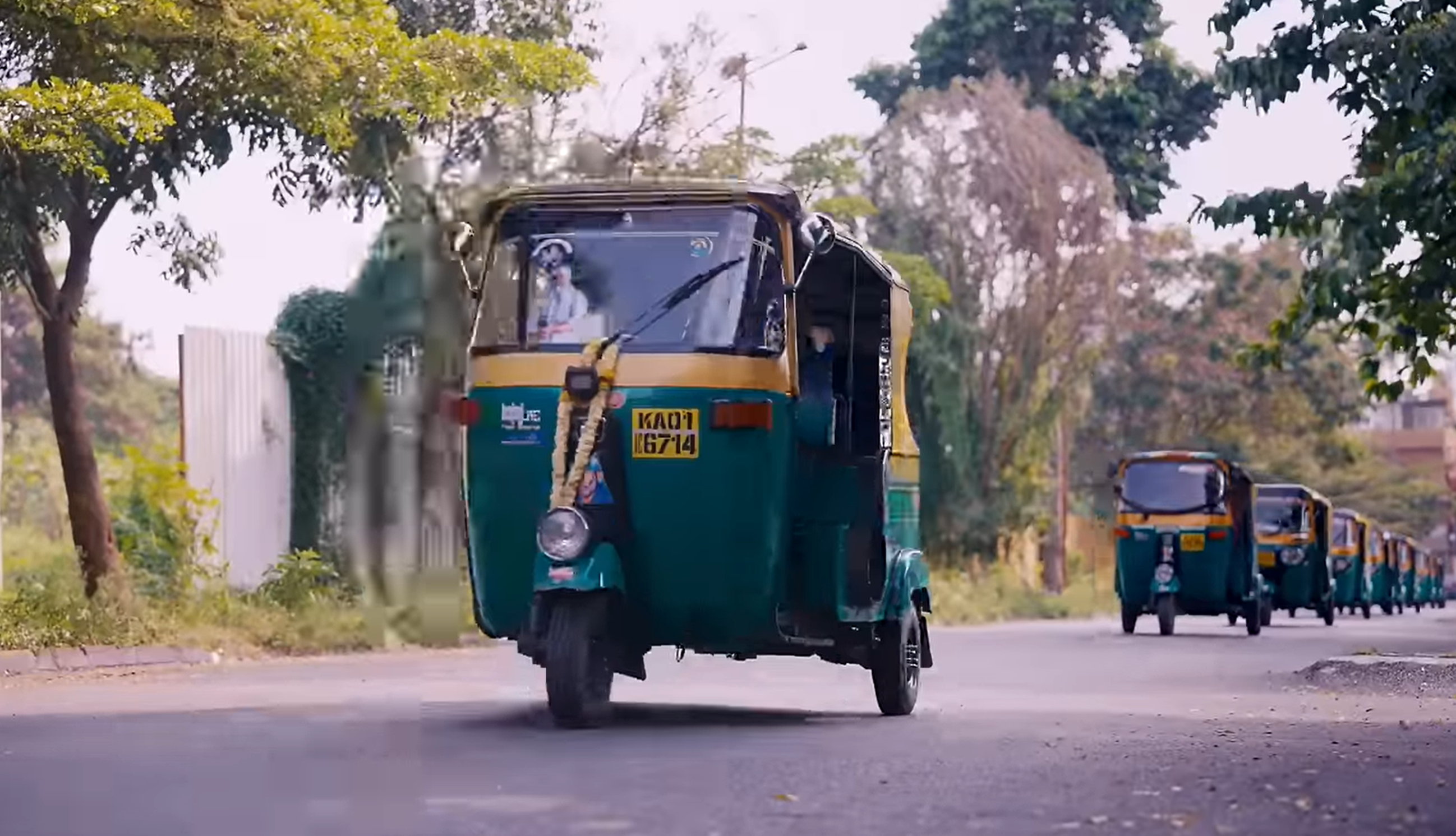
Namma Yatri’s entire business model is community-focused.
It has applied the same principle in its promotion strategy, leveraging various online and offline channels to strengthen connections and establish trust–like setting up booths for information and offering side incentives such as free phone chargers or stickers to encourage registration.
The gifts don’t provide much value to the customer, but everyone loves free gifts, and it’s a proven method to attract subscriptions.
Word of mouth is also its primary mode of promotion for B2B customers.
Drivers talk and share experiences. It drives organic leads and generates high conversions comparatively. Passengers also usually hear about a product through word of mouth.
Other notable promotion channels Namma Yatri has previously used are commercials, social platforms, radio ads, and referrals.
Challenges of Ride-Booking App
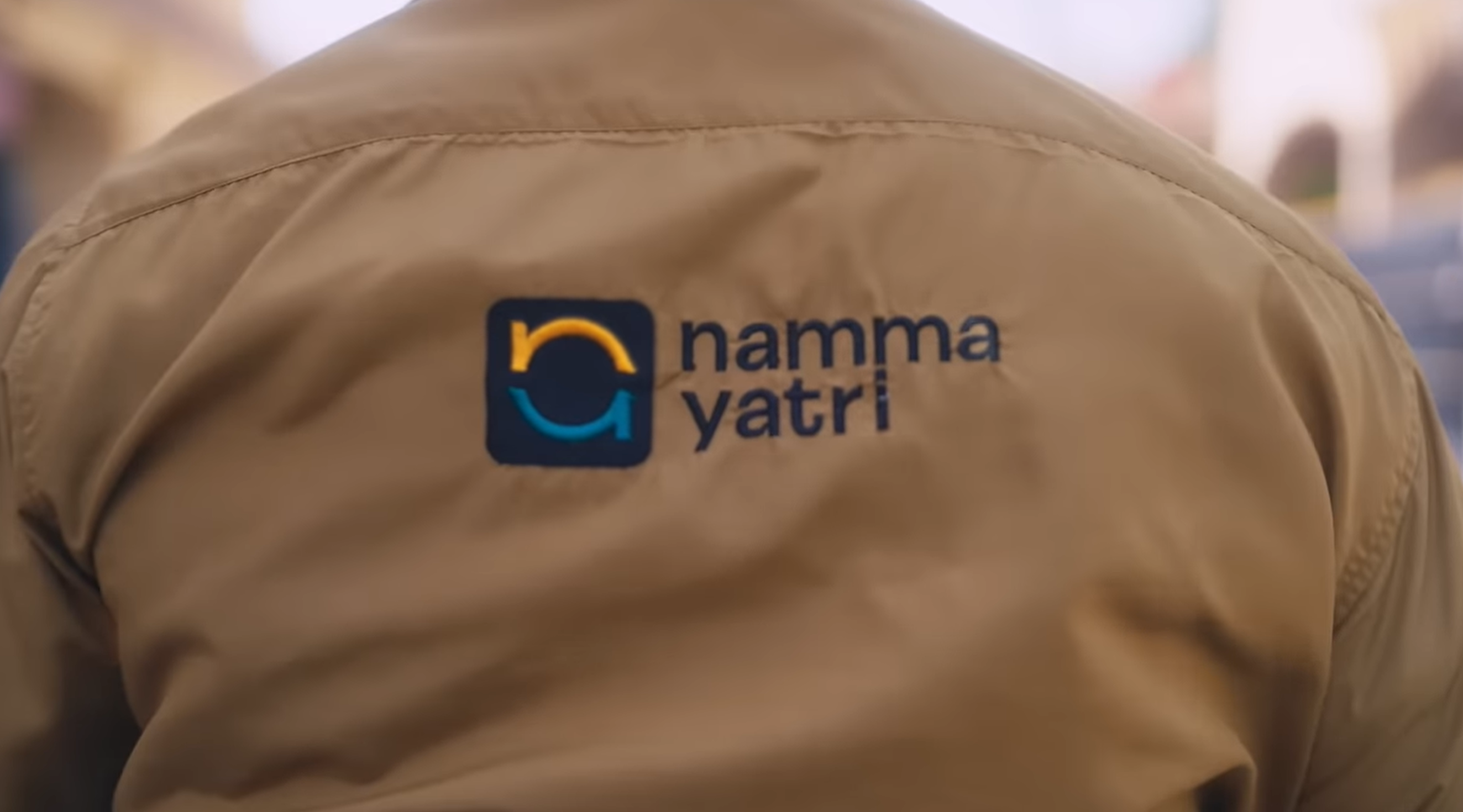
Namma Yatri has done incredibly well in just a few years. Despite introducing the new idea, its adoption was remarkably quick and scalable.
But naturally, as a new player in the market, Namma Yatri has faced its fair share of challenges.
If you plan to invest in the transportation business, here are some challenges to consider before adopting a similar business model.
1. Security
Security has been the biggest issue for digital commute businesses. While the companies have done everything to ensure a safe experience for the passengers, the third-party system still poses a great security risk to the customers.
Namma Yatri has also been entangled in such circumstances several times.
The classic example is the alarming incident that happened in Bengaluru, where a woman jumped from the moving auto to flee from the drunk driver’s nefarious intentions.
While Namma Yatri’s product offers an SOS feature specifically for such circumstances, the company still struggles to improve the system, probably due to logistics.
2. Competition
Another big challenge Namma Yatri faced in its initial years was market saturation.
Multinational transportation companies have already grabbed a major share of the market.
With well-known names like Uber and Ola, Namma Yatri had to carve out a place and reach its target market. That means more investment in money and effort.
3. Cost
Operation costs, application maintenance, and fare adjustments are other notable challenges that impact digital transportation businesses like Namma Yatri.
The low profit margin, while attractive to drivers, may prove inadequate for the company in the long run.
How Namma Yatri plans to manage its expenditure and revenue is something everyone anticipates eagerly.
4. Training
As a digital platform, Namma Yatri periodically upgrades the interface and introduces new features to stay in the spotlight. While this move ensures the company’s continued success, it has the potential to backfire due to the nature of its target audience.
To keep up with the current changes, Namma Yatri might have to establish ongoing centers for driver training, which may cut into the already low profits.
The above four are among the key challenges that can threaten your brand image and bottom line.
While you can easily climb these roadblocks with proper research and contingencies, they should factor into your business model to help you avoid costly mistakes.
Conclusion–The Future of Namma Yatri
Rickshaws make up only 4% of the transportation, but they cater to almost 20% of the population. It’s also in demand in both small towns and urban cities.
Namma Yatri has captured a large portion of the auto and cab industry with its zero-commission model. And it wants to extend its vehicle types beyond traditional rickshaws to provide more choices to the users; more choices mean more revenue streams.
Currently, it operates in a few cities, but it has helped 638,000 drivers generate $175 million in earnings. The company plans to expand its operations further to offer its service nationwide.
“Our focus is on creating sustainable mobility solutions. With more cities coming on board, we are confident in our ability to scale while delivering exceptional value to drivers and riders alike,” – Shan M S, Co-founder.
Namma Yatri has also received favorable interest from the international market, but at the moment, we haven’t heard any definite plans for overseas expansion.
“Right now India is a big enough market for us to focus on and then make the impact here, so our hands are quite full, but it doesn’t mean that we are not open for any international, so wherever there is a partnership, especially around driver cooperatives or local governments who want to kind of run this, I think we will be open for that kind of product, and from a platform point of view, we are truly ready for international,”–Shan M S, Co-founder.
At its core, Namma Yatri wants to remain committed to its main mission while looking for ways to expand. For example, a few months back, it signed a partnership with eight rickshaw driver groups in Chennai, including well-known unions like Urimai, Karangal, Agni Siragugal, and Sigaram.
Based on its rapid success, Namma Yatri has the potential to become a successful business on an international level.
The road ahead may seem challenging, but its future appears bright.


 A better way to manage projects and clients for freelancers
 Get through busy days like a breeze with Reclaim.ai