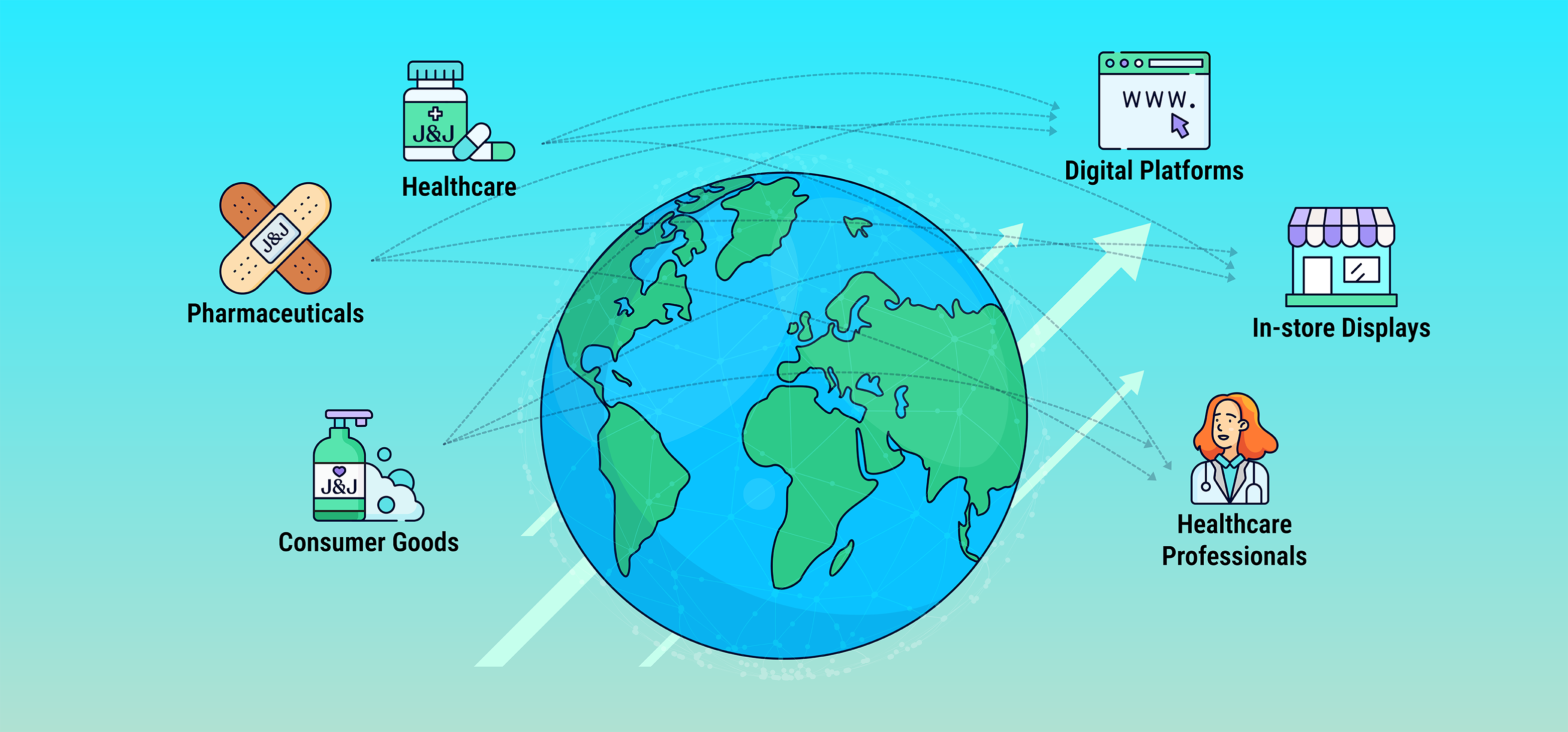
Johnson & Johnson is one of the oldest and most successful healthcare brands worldwide.
It’s recognized for its commitment to health and personal care and has developed a strong presence in the market with its diverse portfolio, experience, and innovations.
This article sheds light on Johnson & Johnson’s marketing strategies. Here, you’ll learn the key factors that contributed to its continuous growth and steady presence.
About Johnson & Johnson

Johnson & Johnson is a global pharmaceutical corporation specializing in innovative medical technologies, pharmaceutical therapies, and personal care products. It sells both B2B and B2C products, targeting institutions and direct consumers.
J&J started its business with basic medical supplies.
Over the years, its product portfolio grew from first-aid kits and baby lotions to neurovascular devices and photochromic contact lenses.
With each new acquisition, J&J expanded its market share, brilliantly segmenting its customer base.
Today, Johnson & Johnson has a net worth of $370.77B.
9 Marketing Strategies Of Johnson & Johnson
Below, I have shared Johnson & Johnson’s top marketing tactics with examples and personal takeaways to help you identify the best strategies for business growth.
Incorporate some of them in your model to build an effective marketing mix.
Let’s explore them.
1. Product Diversification
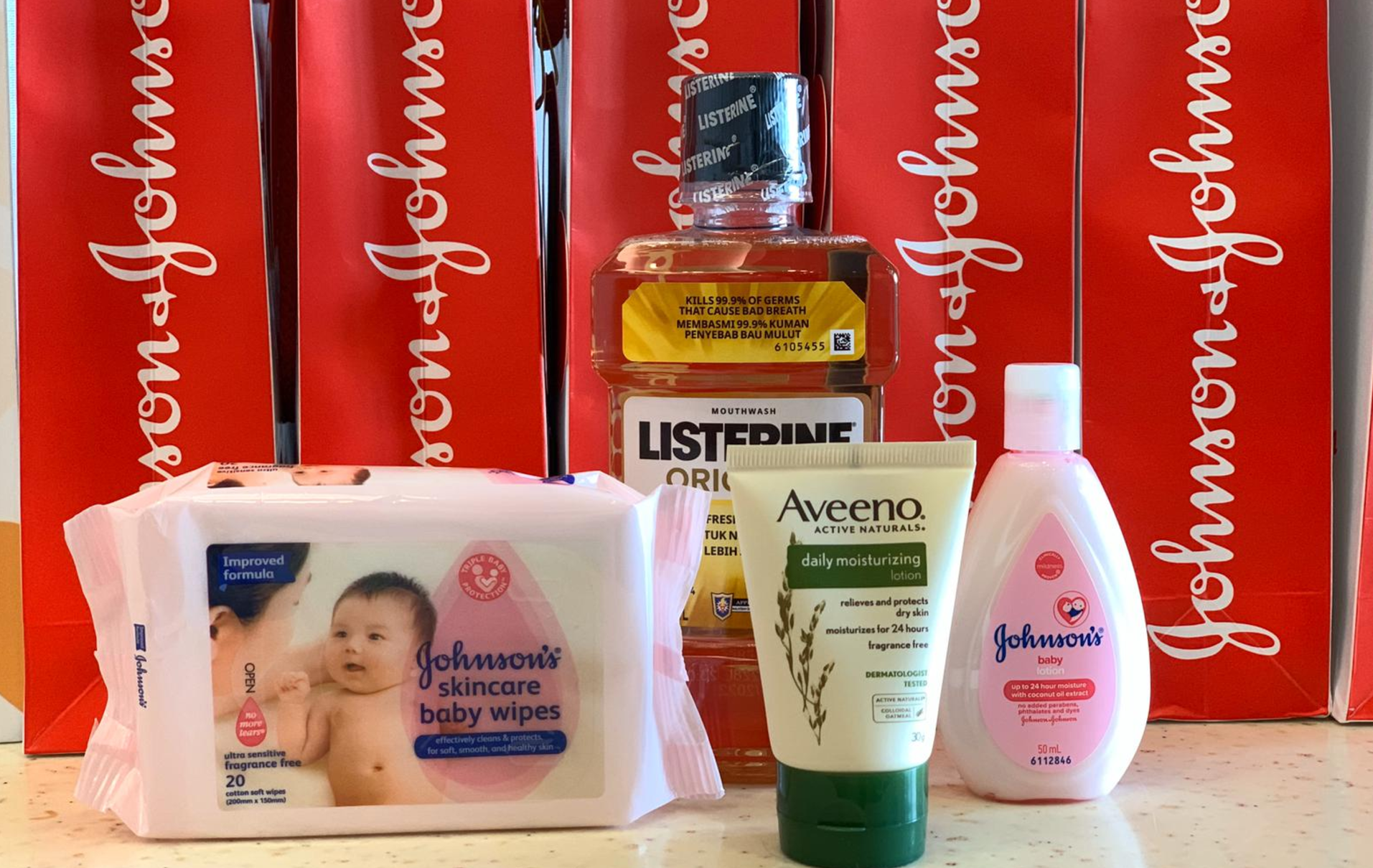
Johnson & Johnson’s key product strategy is innovation and diversification.
The company has a broad product portfolio, covering health, wellness, and personal care areas, allowing it to distribute risk and generate revenues from multiple sources.
Take its medical devices products, for example.
J&J offers a wide range of medical devices to help provide tech support in different divisions. And for each division, Johnson & Johnson runs a separate subsidiary. For example, it delivers surgical supplies through its Ethicon brand, and vision care through the Acuvue subsidiary.
You’ll find similar diversification in its consumer products. Its Aveeno skincare brand is well-known for its natural and gentle ingredients. Ban-Aid is an everyday item. And Dr Ci brand sells premium products.
Takeaway
Product diversification helps you target multiple markets and minimize failure risks. It creates new revenue streams for you and allows you to expand your market share.
This is one of the safest marketing strategies for any brand. Not only can you gain more exposure, but if one of your products doesn’t work out, another product supports it till you improvise your strategy.
2. Customer Research

Customer segmentation is Johnson & Johnson’s strong point.
As a pharmaceutical brand, its product range differs slightly from other essential brands, which gives it a unique advantage in creating targeted marketing strategies.
For example. One of Johnson & Johnson’s main product ranges includes medical devices.
Medical advancement is what B2B customers want. One who provides them gets their attention. Johnson & Johnson invests in research and development to grab that opportunity. It understands its customers’ needs and fills that gap by providing the best available solutions.
What’s notable is that Johnson & Johnson has been doing that since its creation.
As a matter of fact, its very existence was the result of such a need.
Let me tell you a story. Did you know that in the 1800s, sterilization was a novel concept? Doctors barely began to advocate sterilization, but the shortage of supplies made it difficult to incorporate the practice in hospitals.
Robert Wood Johnson, James Wood Johnson, and Edward Mead Johnson
saw the need to make sterilized equipment accessible and started their business with medical supplies.
From there, the Johnson & Johnson was founded.
J&J now sells cutting-edge medtech solutions.
Takeaway
Strengthen your customer research to optimize your marketing strategies. With samples and A/B testing, you can measure your audience response and improvise your products.
Strong market research can also help you upgrade your products or branch out. If you can identify the need, you can easily enter a saturated market and reach your target audience.
3. Product Experience Management
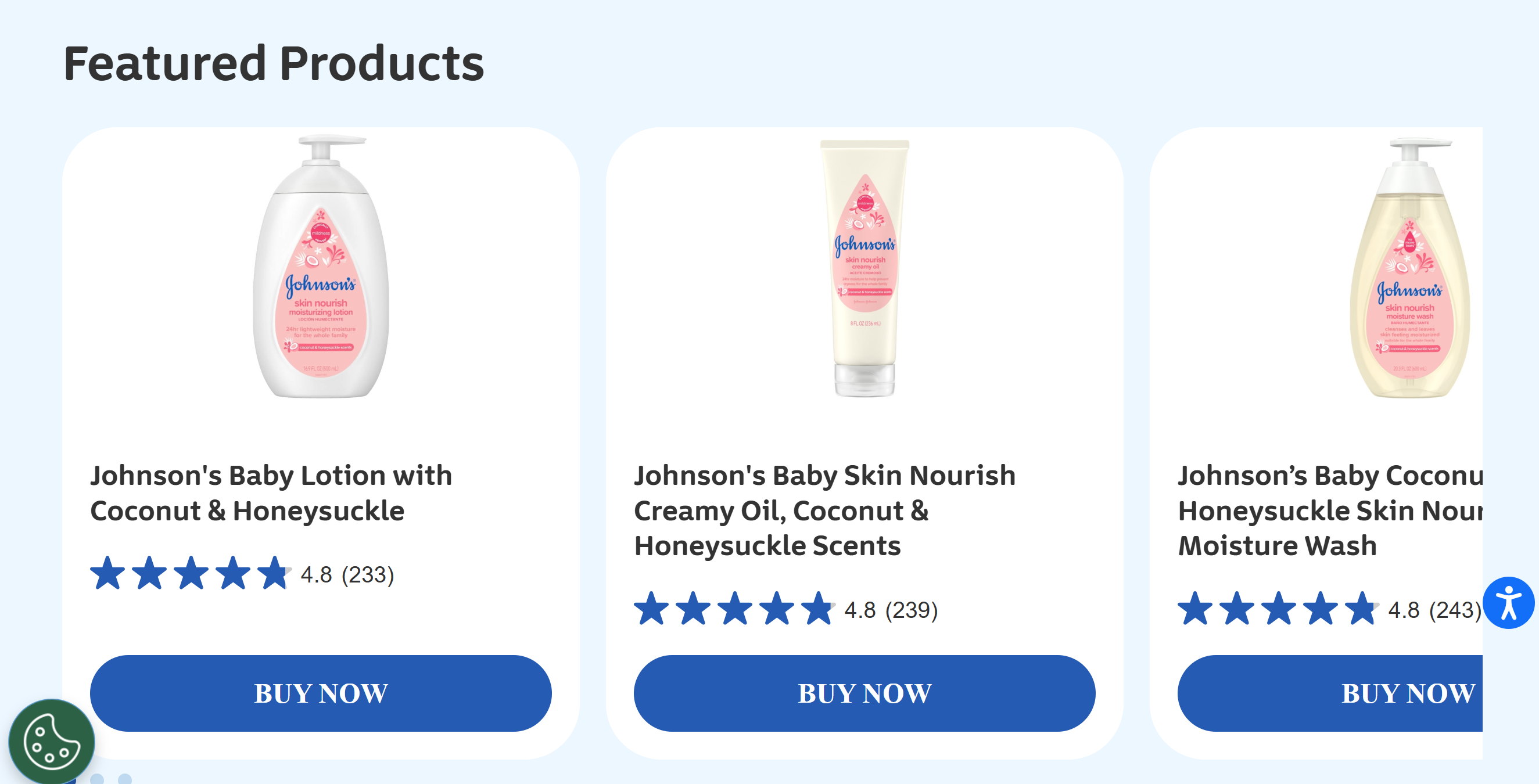
Johnson & Johnson’s product experience management is incredibly effective. It uses both direct and indirect approaches to distribute product information across various touchpoints, improving the overall buying experience.
For example, By putting a “health and wellness” label on its products, Johnson & Johnson set its consumer products apart, gaining an edge over its competitors. And to solidify those unique selling points, it runs nurturing programs and partners with healthcare professionals and influencers.
Johnson & Johnson has also created post-purchase and feedback channels to gather opinions and optimize. Many of its product features have been improved by listening to customers’ problems, the top among them was their baby product line.
Takeaway
PXM is the process of delivering information to customers via multiple touchpoints. The core point of a PXM strategy is to make the information delivery engaging to help buyers speed up their purchase decisions.
Take inspiration from Johnson & Johnson’s PIM strategy and personalize your information distribution strategy to get the desired response from your audience–which is sales.
4. Flexible Vision

Johnson & Johnson is popular for its personal care products.
While 55% of its revenue comes from its pharmaceutical and medical side, it’s more known for its personal care products.
Reason? The nature of its target audience.
Personal care products are household items. They are used in daily life and people can relate to them. The more they feel connected to a product, the more they talk.
The healthcare industry is comparatively restricted. The advertisement methods used for B2B businesses are often limited to communities.
Johnson & Johnson recognized that trend early on and capitalized on that opportunity to increase its reach.
Today, everybody is familiar with its baby products, and some of its brands are globally recognized, such as Clean and Clear, Neutrogena, and LISTERINE.
Takeaway
Many well-known brands maintain a strong position in the market by sticking to their original brand vision. But sometimes you need to be flexible to expand your market reach.
Johnson & Johnson was initially created to fill the gap left by inaccessible medical equipment. Then, the company extended its vision and introduced sub-brands to target direct consumer products.
Keep your vision flexible to scale your business.
5. Emotional Marketing

Johnson and Johnson often use strong emotional marketing in its advertisements and nurturing campaigns to portray itself as a trustworthy brand.
It’s one of its core tactics to build deep connections with the audience, with an aim to ultimately gain customer loyalty.
Some of the common elements of its emotional marketing are storytelling, compassion, trust, and care. The company’s ads feature real-life examples and everyday stories to highlight the significance of family and care.
Let me give you an example.
In 2011, Johnson & Johnson launched “Treasure Everyday Joy” in collaboration with Alyson Hannigan, and Julie Bowen on Mother’s Day. It involves exhibitions, charity events, documentaries, and more.
The idea was to connect wellness with babies’ memorable movement, encouraging parents to enjoy the initial years of their baby’s growth.
Takeaway
The main goal of any emotional marketing is to incorporate the brand into the household.
You can leverage people’s emotions to build trust in your products and even make them a necessity–Like Nike. Nike is well-known for its emotional marketing. While it’s a premium product, people, specifically in sports, consider it a must-have item.
Try this tactic in your advertisements to see the impact of emotional marketing on your brand image.
6. Purpose-Driven Marketing

Johnson & Johnson is the best example of a socially responsible brand. It has built a solid reputation with purpose-driven marketing strategies, earning brand credibility and people’s trust.
For example, during COVID, J&J ran the #ThankYouNurse campaign to highlight the role of nurses in difficult times.
The purpose of the nurturing campaign was to put itself forward as a brand that recognizes and supports healthcare professionals. While nurses aren’t technically Johnson & Johnson’s direct target market, they belong to the industry under its target audience.
J&J’s purpose-driven marketing campaigns are also interconnected. The company launches small programs and aligns them with its broad goals.
The #ThankyouNurse campaign and J&J COVID vaccine launch are the perfect examples.
Takeaway
Purpose-driven marketing has become a popular method for improving a brand’s reputation. People are more socially conscious now, and 82% want to purchase from brands that offer more than just a product.
The best thing about purpose-driven marketing is that it serves multiple goals. While you don’t directly generate sales from this approach, you can achieve various targets, Including, publicity and customer loyalty.
Explore this option in your lead nurturing strategies.
7. Branding

Johnson & Johnson is recognized by its logo and color. Its subsidiary brands also have distinct brand identities that distinguish them from their competitors.
There were hardly a few instances where J&J revamped its logo. While its vision and product range may have changed with the trends, its brand identity and marketing strategies have shown consistency and alignment since 1886. It makes J&J trustworthy and memorable.
Johnson & Johnson also incorporates its core brand values into its marketing mix. Every advertisement, campaign, and nurturing program has a common theme– trust and reliability.
Takeaway
Branding is the first step to gaining your audience’s attention.
With a distinct brand identity, you can give your products a name and increase their visibility.
Create a relatable branding identity and retain it to establish your position in the market.
8. Packaging
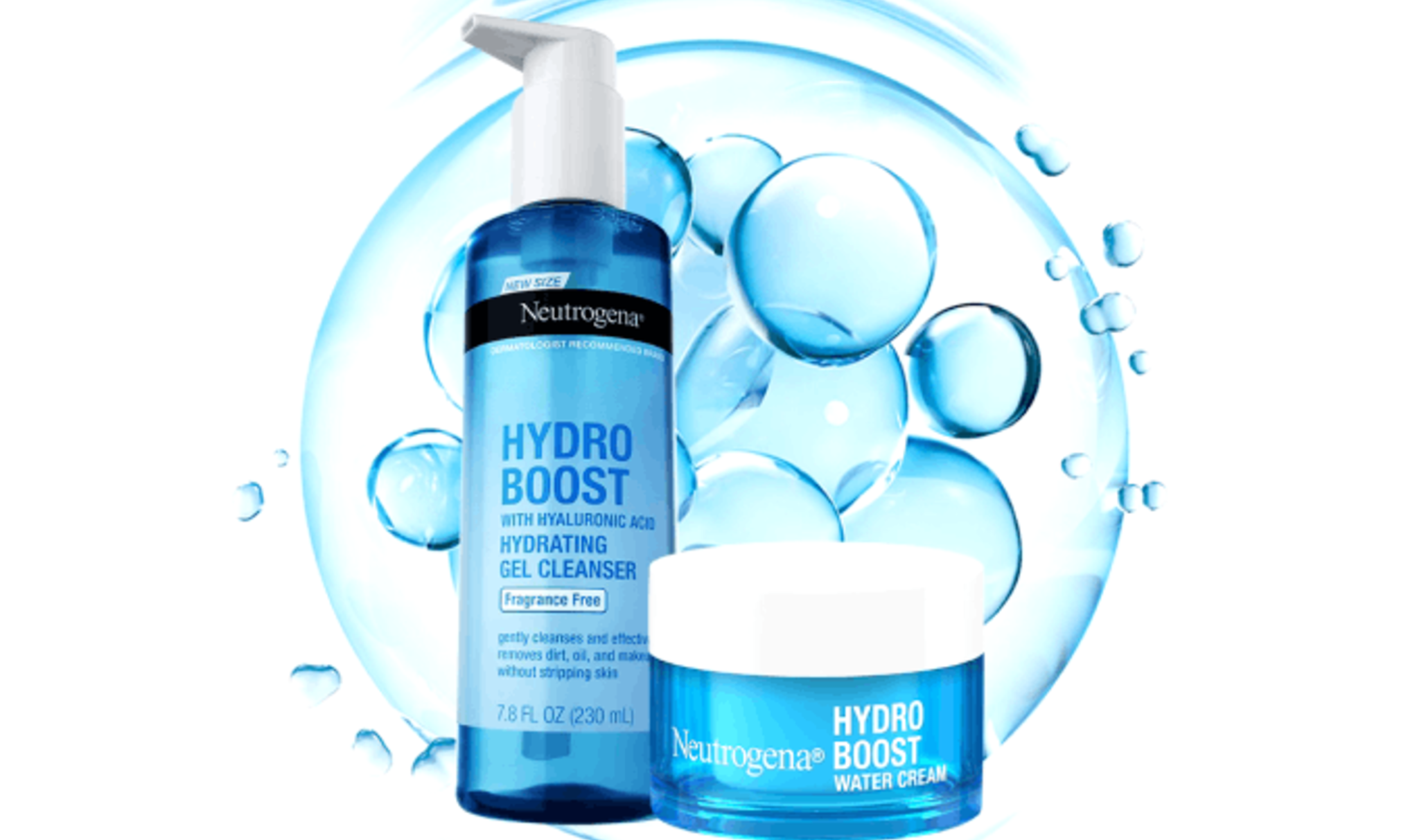
Johnson & Johnson’s packaging strategy touches multiple areas.
Most notable elements you’ll find in its package designs are visuals, safety, trust, and innovation.
Take Neutrogena, for example.
Neutrogena’s unique selling points are its clinical solutions and “dermatologist-recommended” features. The company has personalized its bottle shape, aesthetics, and product colors to reflect its USP. Meaning, the package design is minimalist, neutral, and functional.
Another good example is its baby product. The pastel color palette, package designs, and main content evoke a sense of comfort and reliability.
To summarize, J&J’s package design strategy is well-thought-out and optimized for its target audience.
Takeaway
Your package design is the first thing your customers see. It should provide all the information to attract leads and convert them into customers.
Some key elements you can keep in mind while designing your package include, aesthetics, functionality, package material, and product information. If you sell premium products, you can increase their value by simply choosing the right color or adding eco-friendly packaging.
9. Culture Adaptation

Johnson & Johnson is over 135 years old. It sells its products in 60 countries, and millions of people buy them each year.
One of the winning points of its successful expansion is culture adaption. It tailors its marketing mix to match the local’s needs, improvising product features, packages, and prices.
Several examples are available in the Johnson & Johnson product line. Listerine Green tea flavor is designed specifically for the Asian market. Neutrogena Visibility Clear targets the European market. Clean & Clear sells Salicylic-acid acne cream in the US.
Takeaway
Localization strategy allows you to customize your approach without compromising your core product line and brand values.
You can introduce sub-product lines tailored to local tastes and incorporate the regional language and customs in your advertisements.
Conclusion
Johnson & Johnson’s marketing strategies primarily focus on brand reputation and customer retention. While the company invests a lot in promotions, a major portion of its revenues goes into R&D and brand positioning.
The reason is obvious. The company manufactures healthcare products.
Credibility and trust are crucial in the healthcare industry. Without these key ingredients, brands may find themselves on the edge of the market, struggling to gain entry.
If your product and services relate to the healthcare industry, study J&J marketing strategies to understand their practical applications. Good luck!


 A better way to manage projects and clients for freelancers
 Get through busy days like a breeze with Reclaim.ai