
If you are a small business owner, you are probably working with a limited budget.
Every dollar you spend on advertising needs to deliver results to justify the cost, so knowing which platform gives you the best return on investment is a smart move.
The problem is both platforms offer good advertising tools.
Whether you run TikTok ads or Meta ads, you can put your ad in front of thousands of people and get maximum output.
So, how do you determine which platform gives better ROI for small businesses? By comparing their performance and advertisement costs.
In this guide, I am going to review TikTok and Meta ads to highlight their key differences and help you make the best choice.
TikTok vs. Meta Ads Comparison At A Glance
| Criteria | TikTok Ads | Meta Ads |
|---|---|---|
| Platforms | TikTok | Facebook, Instagram, and Audience Network |
| Monthly Users | Over 2 billion | Over 3.5 billion |
| Audience | Mostly Gen Z | Gen Z, Millennials, and Gen X |
| Ad Style | Image, Video, Spark Ad, Carousel | Image, Video, Carousel, Reels, Stories |
| Main Strength | Content discovery | Retargeting |
| Cost per 1,000 Views | $4 | $15 |
| Cost per Customer | $17 | $38 |
| Conversion Rate | 1.56% | 1.57% |
| Major Challenge | Creative fatigue. Requires constant fresh content. | Volatile results when scaled. Ad management is a bit complex. |
| Best For | Brand awareness and conversion | Brand awareness, lead generation, and conversion |
What Is A TikTok Ad And How Does It Work?
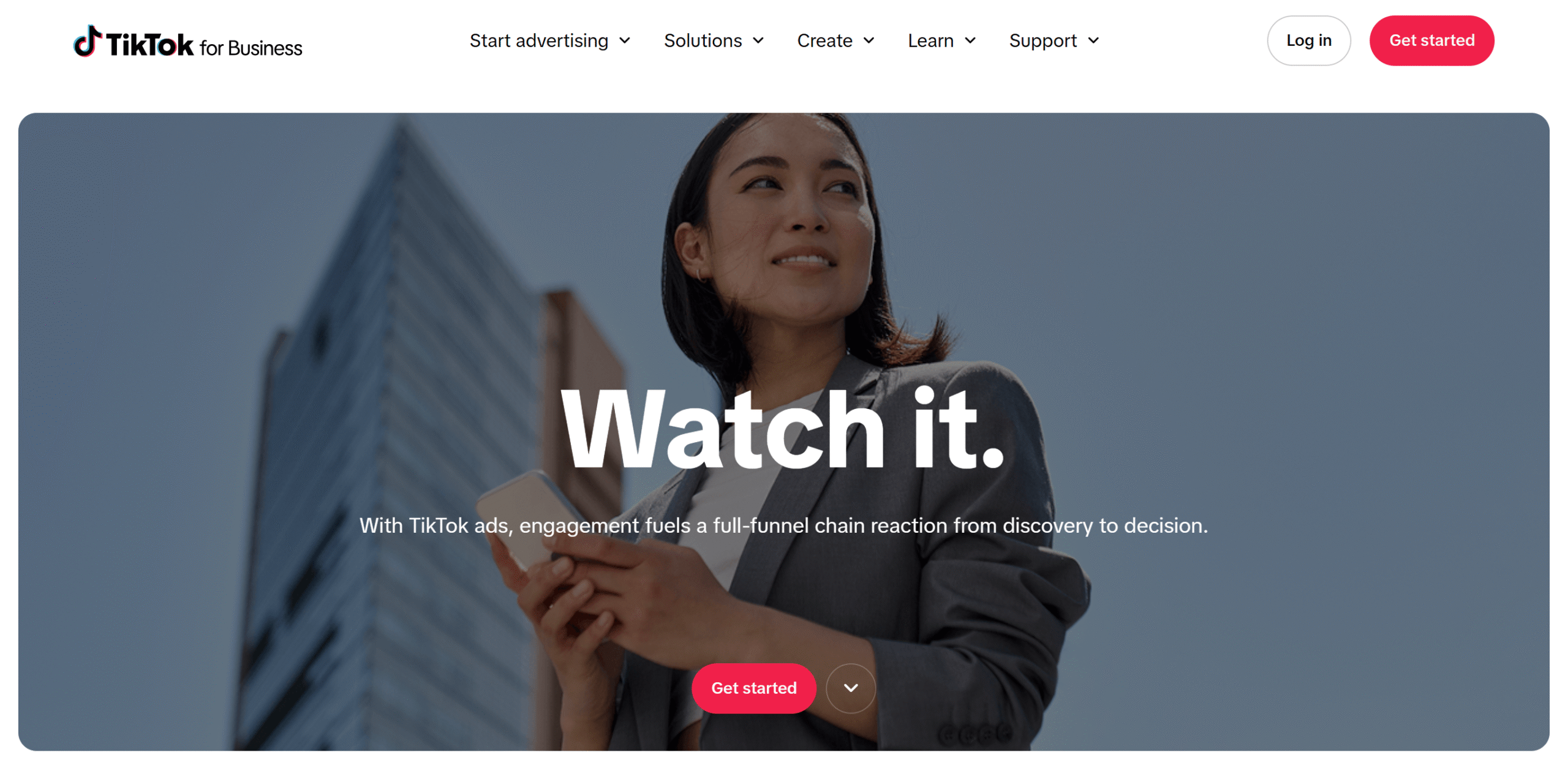
TikTok ads are paid posts that businesses use to promote their products or services on TikTok.
They usually look and feel like regular TikTok videos, but you can run them in different formats, including In Feed Ads, UCG ads, and Top view displays.
What’s interesting is how TikTok ad placement works.
The platform uses an auction system to decide which ad to show. It looks at factors like your bid, content, and user engagement to determine whether your ad gets the spot.
Once your ad starts running, you can track key metrics such as cost, impressions, reach, and clicks to see how your campaign is performing.
These key metrics can help you understand if your ad is working or needs some changes.
What Is A Meta Ad And How Does It Work?
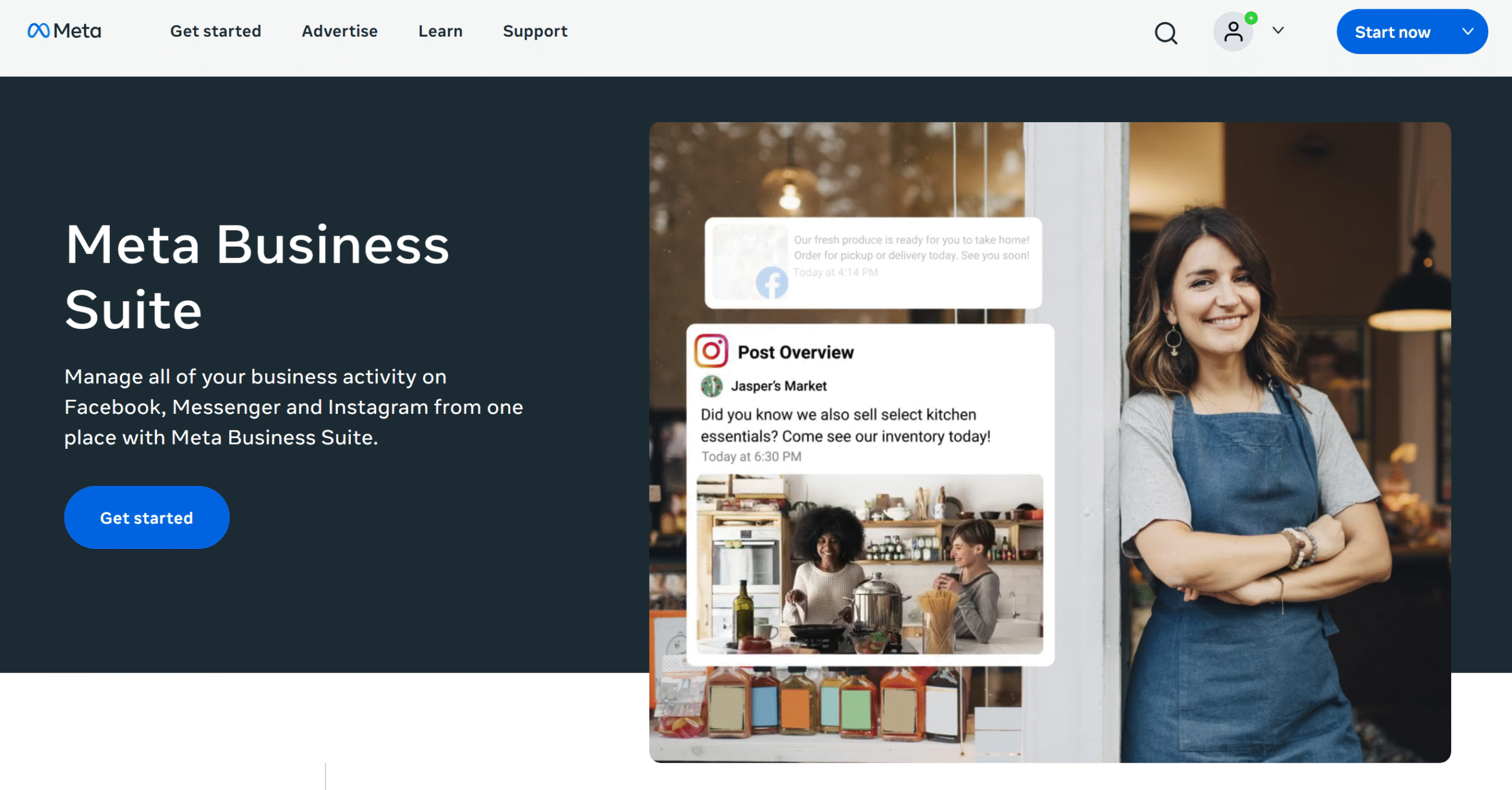
Meta ads are paid promotions that small businesses can run on Facebook and Instagram.
Like TikTok, you can create Meta ads in different formats and display them in the feed, Reels, Stories, and Marketplace.
Meta also follows a similar auction system, using your bid, ad quality, and user behavior to decide where to show your ad.
Where Meta stands out is its ad ecosystem. Since Meta includes both Facebook and Instagram, you have more targeting and placement options.
For example, you can use Instagram Reels to introduce your brand and then reach those same people through other Meta placements.
So, while TikTok is good at getting your product in front of your audience, Meta gives you more opportunities to engage people at different stages of the buyer journey.
TikTok Ad vs. Meta Ad—Which Gives Better ROI
ROI generally depends on several factors, including who you target, what type of ad you run, and how much you spend on ads.
To figure out which platform gives better ROI, I have compared TikTok and Meta ads based on these key factors.
1. Target Audience
TikTok and Meta both offer access to millions of people worldwide, but they attract different audiences.
So, before choosing a platform, you need to know who your target audience is and where they spend their time.
Reaching the right people on the right platform increases your chances of conversion, helping you make better use of your budget.
TikTok Target Audience
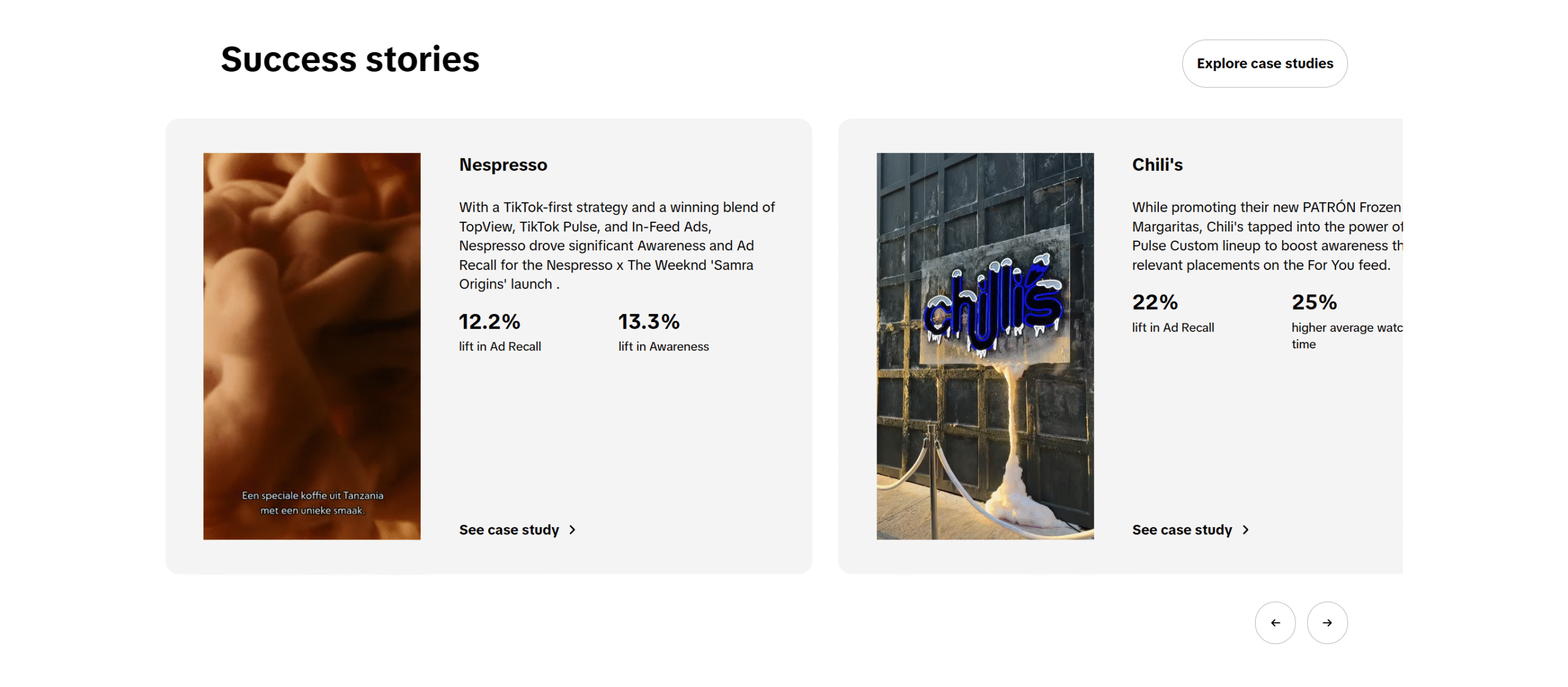
TikTok tends to attract young users, especially Gen Z, because of its short-form video content.
While its audience has expanded significantly in recent years, Gen Z still represents a large share of its active users.
This makes TikTok a good option for brands that want to target younger consumers between the ages of 18 and 34. Since the platform is already built around its audience’s interests, it gives you a natural starting point.
Meta Target Audience
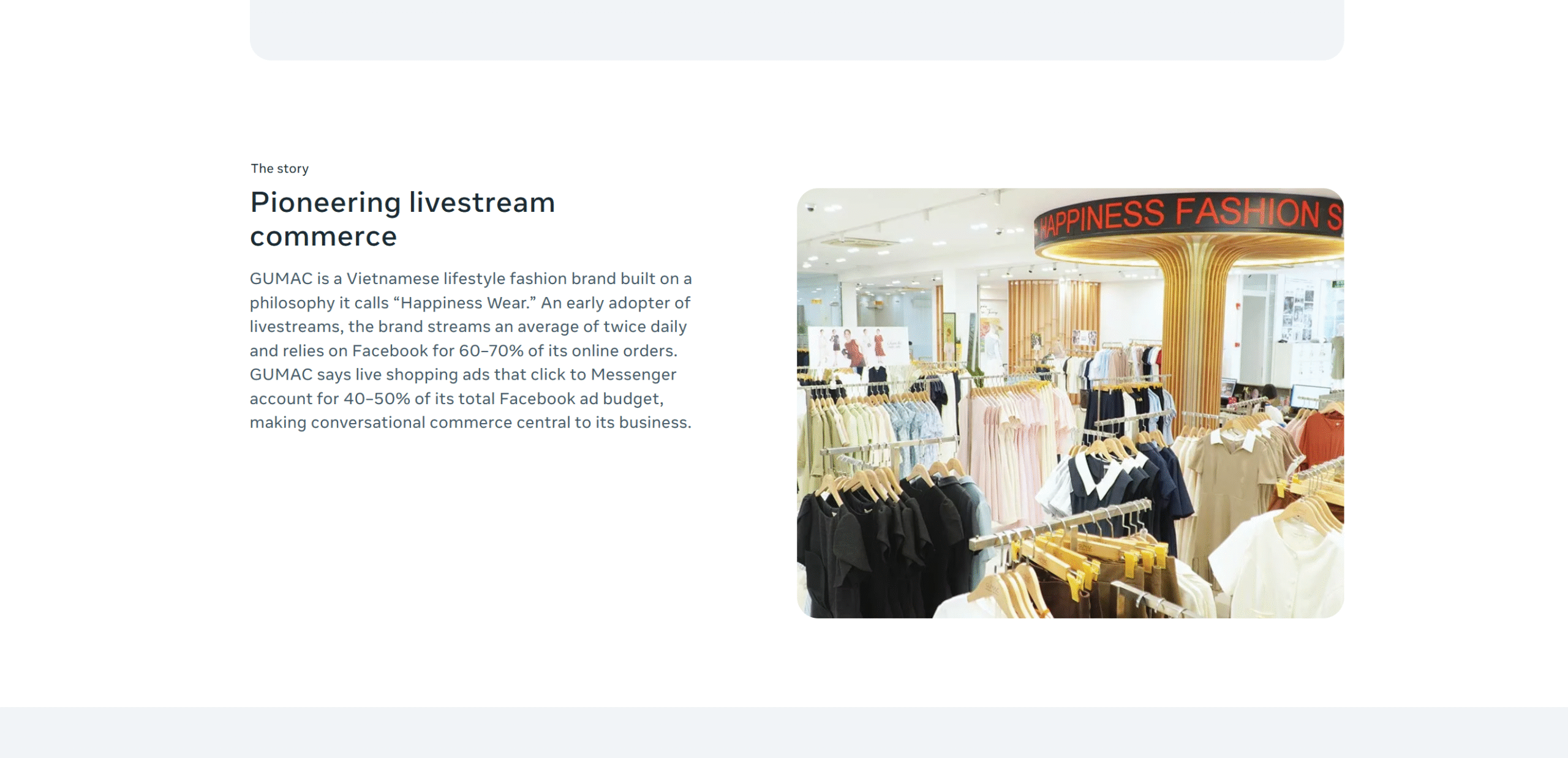
Meta attracts a diverse range of people through Facebook and Instagram. This gives you more flexibility to target different age groups without switching platforms.
For example, you are a fitness brand and sell merchandise to both Gen Z and Gen X. You can create one campaign with a wider range and run the same ad on both Facebook and Instagram.
Verdict
If your product is for young adults, choose TikTok. It’s more focused on the younger crowd, making it easier to target one group.
If your target market covers multiple age groups, Meta can give you more flexibility and better reach.
2. Ad Format And Placement
The next thing to consider when comparing both platforms is their ad style.
Each platform offers different ad types and placements, so understanding them can help you choose the right content for better ad performance.
TikTok Ad Format
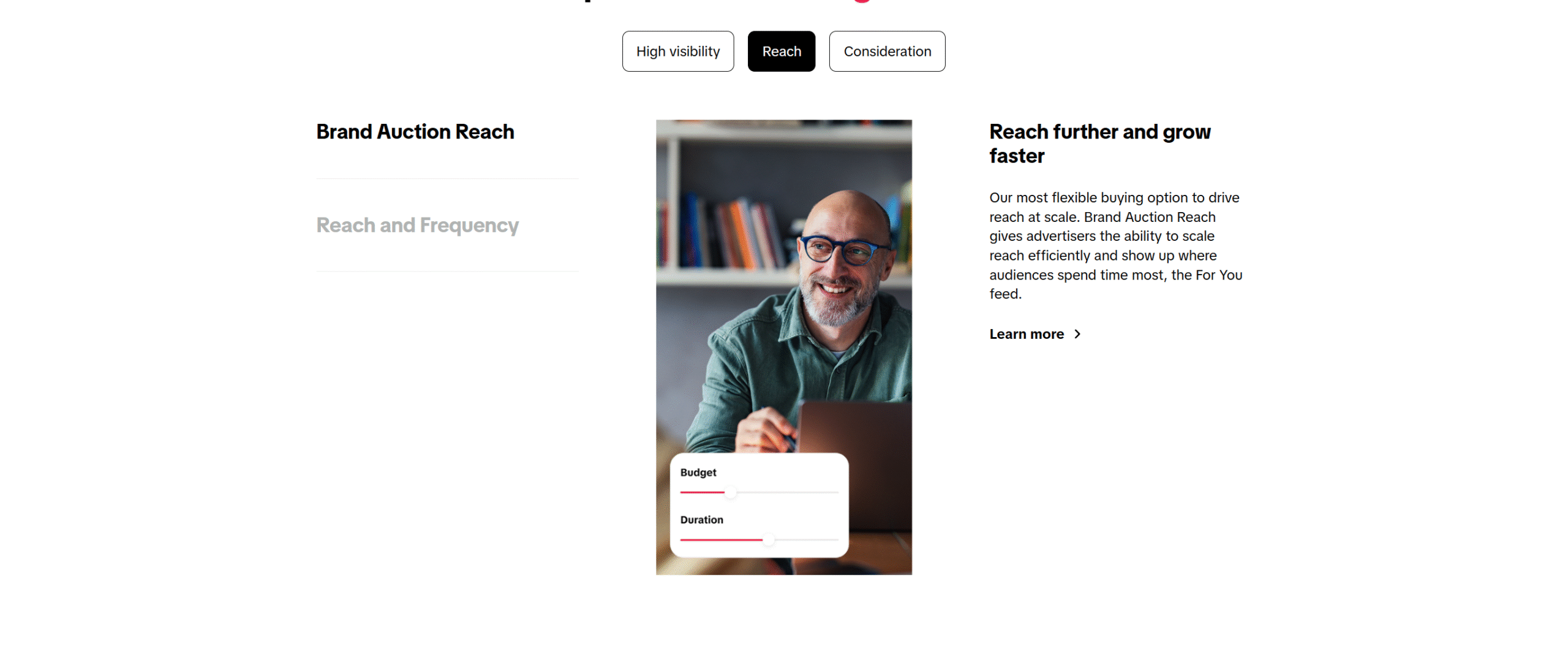
TikTok UI is designed for short video clips. It mainly showcases fast-paced creator content in vertical format, so your ad needs to follow the same style to blend in naturally into the user feed.
Here are the popular ad formats TikTok provides.
- In-Feed Ads: They are video ads that appear directly in the feed.
- Spark Ads: They turn regular posts into ads.
- TopView Ads: They are video ads that appear at the top when users open TikTok.
- Carousel Ads: They create product galleries in the feed.
You can use the TopView Ad format for brand awareness, the Feed-In Ad format for everyday promotions, the Spark Ad format to promote UGC content, and Carousel to show multiple products.
There are other options as well, like search ads, but for small businesses these four are a good starting point.
Meta Ad Format

Meta Ads lets you leverage both video and image content in different ways.
You can use them for regular promotions, run carousel ads that show multiple products, or create vertical video ads for stories and reels.
With Meta Ads, you have more flexibility to experiment with different creative styles and retarget people who have already interacted with your business.
Let me summarize the common ad formats Meta supports.
- Image and Video Ads: They appear in your feed, Instagram stories, Facebook Marketplace, and third-party websites.
- Carousel Ads: They show multiple images or videos in one place that people can swipe through.
- Collection Ads: They display a video with products that people can browse directly from the ad.
- Stories and Reel Ads: They are vertical short-form video ads that appear between stories and reels.
Verdict
Here, Meta has an edge over TikTok. You’re not limited to one platform, and you have more ways to connect with your audience.
You can also repurpose your existing brand content in various ads.
For TikTok ads, you’d have to constantly produce fresh content, which can overwhelm small business owners, especially if they are doing everything themselves.
So, TikTok ads are often best for businesses that can consistently create visual content.
3. Advertising Cost
Advertising costs matter a lot because they can directly affect your overall ROI. The more you spend on ads, the more revenue you need to generate to get a good return on your investment.
Both TikTok and Meta ads have different pricing, and it’s worth knowing how much you’ll spend on advertising.
That means comparing metrics such as CPM, CPC, and CPA to see which platform provides the best value for your budget.
TikTok Ad Cost
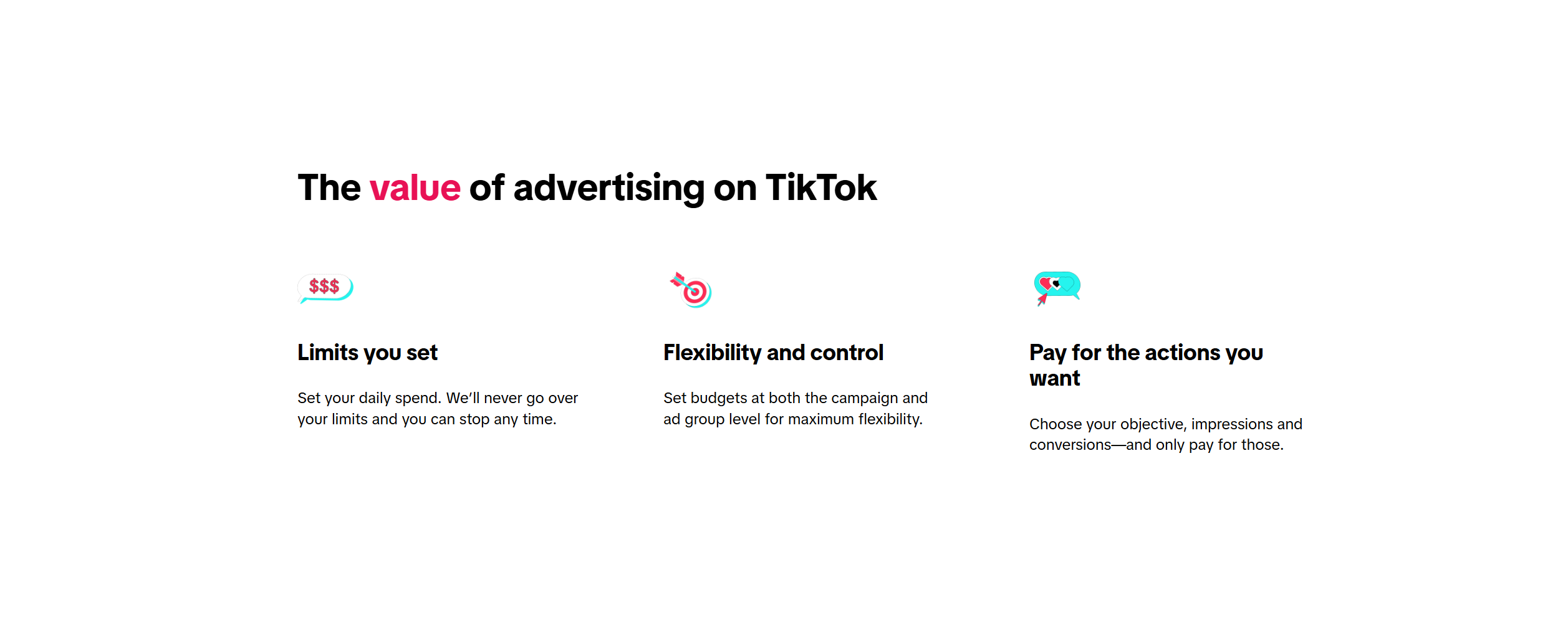
If you are running an ad on TikTok, the average cost per 1000 impressions is $4.08, and CPC is roughly $1 for each click.
It’s, of course, not a definite figure, but you should keep these figures in mind while planning your budget.
There’s one other metric to consider while calculating your advertisement cost—the average customer acquisition cost (CAC). It measures the average cost of getting a customer.
According to the recent data released by Triple Whale, TikTok has an average CPA of $17.07.
These numbers can give you a better idea of how much money you need to advertise on TikTok.
Meta Ad Cost
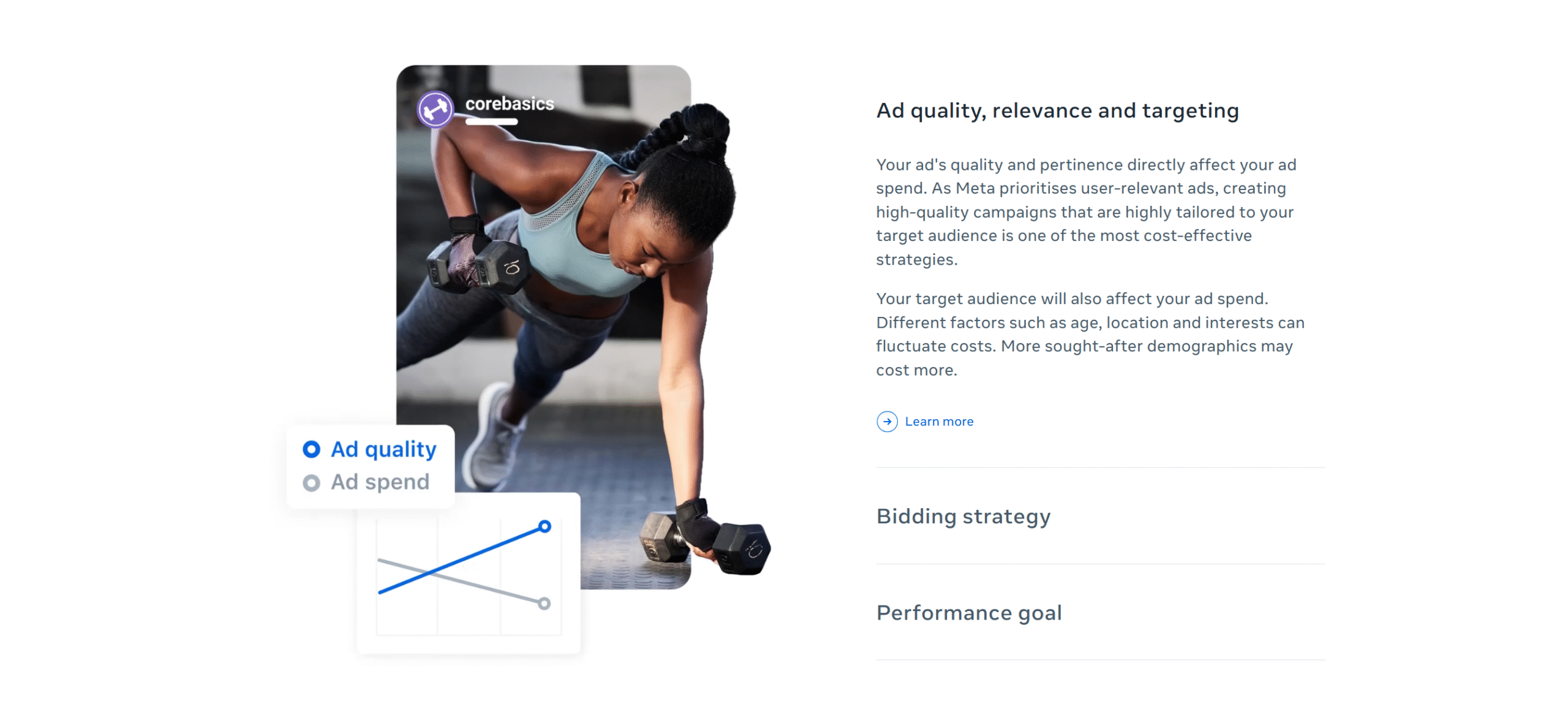
Meta’s advertisement cost is a bit high, partly because there’s a lot of competition for the ad space.
The platform has a huge number of advertisers, so the demand for ad space is naturally high.
Based on 2026 data, its average CPM is $15.06, CPC is $0.82, and CPA is $38.99. That means it will cost you roughly $40 to get a new customer.
[I have used Facebook’s average benchmark here to share an estimated amount. The actual figures may vary.]
Verdict
TikTok ads are comparatively more affordable. You can reach a large number of people at a relatively low cost.
Meta might have better targeting, but reaching your audience and getting new customers can cost you more.
4. Performance
The final thing to compare is the ad performance on each platform.
That means looking at key metrics like ROAS and CTR to see how people respond to your content and how much revenue you’re generating from your ad spend.
TikTok Ad Performance
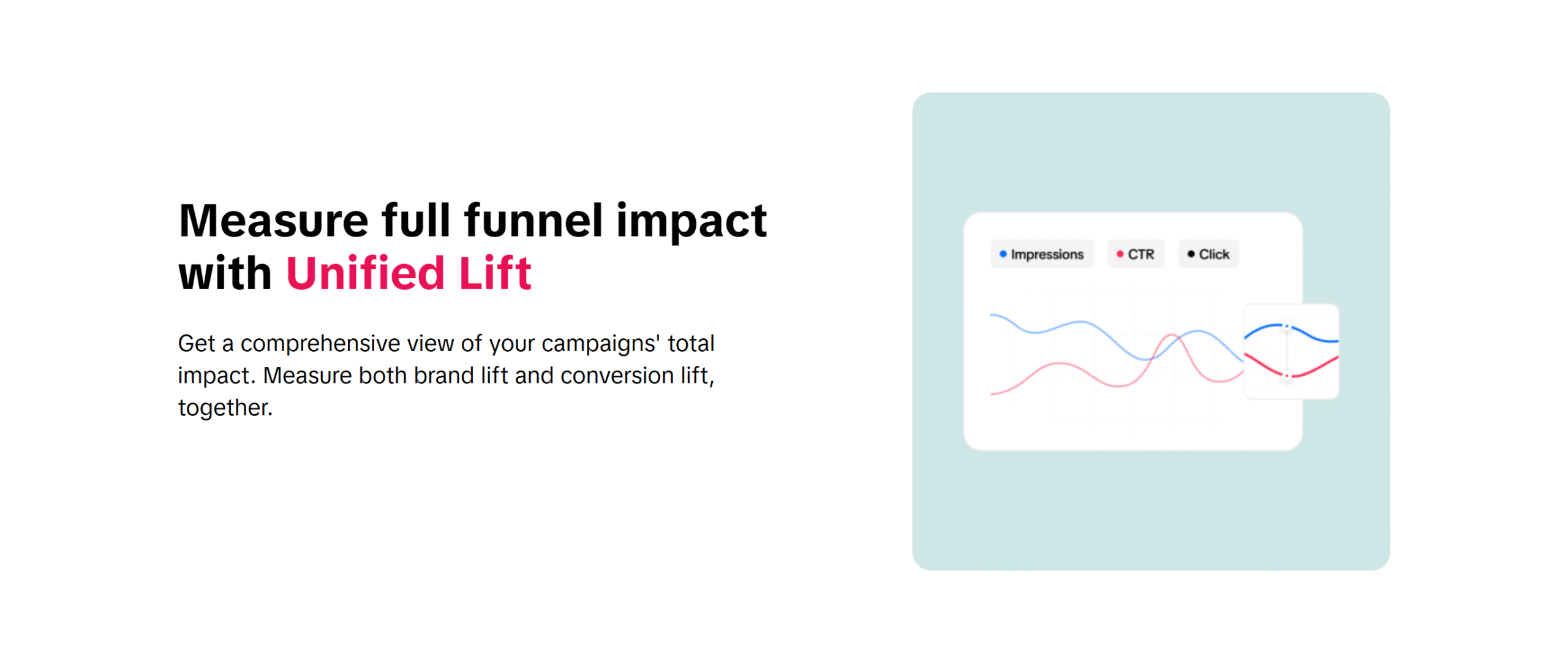
TikTok performs well if your goal is to attract new visitors.
It doesn’t generate a huge amount of clicks, but that doesn’t mean it performs poorly.
If you look at the current metrics, TikTok’s CTR (click-through rate) is 0.61%, CVR (conversion rate) is 1.56%, and ROAS (return on ad spend) is 1.51x.
Compared with Meta, the only major difference is CTR. Meta’s click-through rate is significantly higher than TikTok’s, while conversion is almost equal.
This tells you TikTok is reaching people who aren’t actively looking for your product but might be interested in it.
From a performance point, that’s actually impressive.
Meta Ad Performance

Meta ads tend to generate more clicks. Its current CTR is 2.39% compared to TikTok’s 0.61%.
Why? One reason could be its excellent retargeting capabilities.
You can target the same people on Facebook and Instagram with different ads, finding more opportunities to capture their interest.
Meta also has a well-established advertising ecosystem, making it more stable than TikTok. You can run image display ads for a longer period without producing fresh content.
Verdict
TikTok is best for top-of-the-funnel campaigns, such as brand awareness, while Meta is ideal for lead generation.
Both can convert leads, but they have different strengths.
Which Gives Better ROI
Based on the above comparison, Meta gives a better ROI for small businesses.
TikTok, no doubt, has an edge in audience and advertising costs. You can reach your target audience at a relatively low cost. But Meta ads get more clicks and higher revenue from ad spend.
That means it can bring more potential buyers to your website.
So, if your primary goal is to get leads and sales, Meta is a good option.
If your objective, however, is to get discovered, TikTok is a good investment.
People go to TikTok to browse videos, so its ad format and placement are built around the video feed, making it ideal for brand awareness campaigns.
Conclusion—Which Platform Is Best For Your Business?
Now that we have a general idea of TikTok and Meta ads’ core strengths, here are my recommendations based on business type.
For E-commerce Businesses: Start with Meta for sales. Once your Meta ads are working and you’ve established a content pipeline, use TikTok to reach a new audience.
For B2B Businesses: Use Meta ads exclusively. TikTok also supports B2B lead generation, but it doesn’t necessarily make it the best platform for B2B businesses.
For Local Businesses: Use Meta ads. Local businesses typically have diverse target audiences, and most people use Facebook or Instagram to find local businesses. TikTok can help you get discovered, but I would use it mainly for UGC content.
For Service-Based Businesses: Meta is better suited to service-based businesses because they rely on direct response campaigns to generate leads. TikTok is also good at direct-response advertising, but Meta is simply better equipped for this.
If you are still not sure which platform to pick, start with Meta. It’s a safer option for small businesses.


 A better way to manage projects and clients for freelancers
 Get through busy days like a breeze with Reclaim.ai